

 ELECTRIC
With "Active Air Skirt" Technology, Hyundai & Kia excel in EV Efficiency.
 Add CarBike360 on Google
Hyundai, Kia's 'Active Air Skirt' boosts EV efficiency, reduces drag, and enhances stability, marking a milestone in electric vehicle technology.

By Robin Attri
Jan 25, 2024 03:37 pm IST
Published On
Jan 25, 2024 03:36 pm IST
Last Updated On
Jan 25, 2024 03:37 pm IST

Key Highlights
Hyundai and Kia unveil 'Active Air Skirt' (AAS) for EVs
AAS minimizes aerodynamic resistance at speeds over 80kph
Reduces drag coefficient by 0.008 in testing
Rubber construction allows operation at speeds over 200kph
Enhances downforce, improving traction and stability
AAS addresses challenges in improving aerodynamics for SUVs
Hyundai and Kia have taken a significant leap forward in the realm of electric vehicle (EV) technology with the unveiling of their groundbreaking 'Active Air Skirt' (AAS) system. Designed to minimize the aerodynamic resistance during high-speed driving, the AAS technology not only improves EV range but also enhances overall stability. This development marks a crucial step in addressing the challenges associated with the aerodynamic performance of electric vehicles.
How AAS Reduces Drag Coefficient:
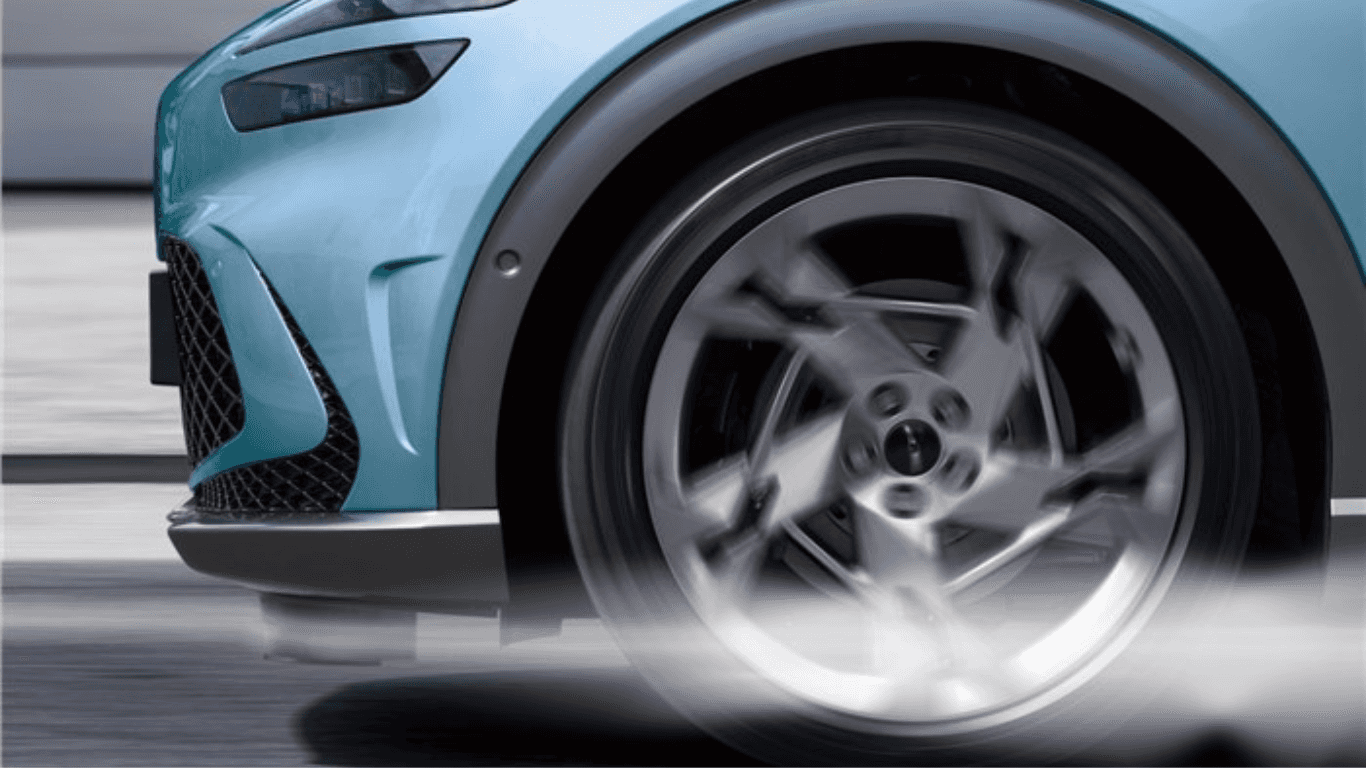
Installed discreetly between the front bumper and front wheels, the AAS operates at speeds exceeding 80kph when aerodynamic resistance surpasses rolling resistance. By controlling the flow of air entering through the lower part of the bumper and managing the turbulence around the vehicle's wheels, AAS significantly reduces the drag coefficient (Cd). The material used for AAS is rubber, allowing it to operate even at speeds exceeding 200kph, providing the protection against external waste that may splash and potentially damage the vehicle during high-speed driving.
The decision to cover only the front part of the tires, leaving the rear exposed, is a result of the characteristics of Hyundai's E-GMP platform, which features a flat bottom. This unique design not only reduces the drag but also enhances the downforce on the vehicle, contributing to improved traction and stability on the road.
Hyundai and Kia have conducted rigorous tests on the Genesis GV60, successfully reducing the drag coefficient by an impressive 0.008. Both automakers have filed patents for the AAS technology in South Korea and the United States, indicating their commitment to innovation and potential mass production pending durability and performance tests.
"This technology is expected to have a greater effect on SUVs where it is difficult to improve aerodynamic performance," stated by Sun Hyung Cho, Vice President and Head of Mobility Body Development Group at Hyundai. The collaboration between Hyundai and Kia, incorporating technologies like AAS, rear spoilers, active air flaps, wheel air curtains, wheel gap reducers, and separation traps, demonstrates a holistic approach to achieving competitive drag coefficients. The Hyundai Ioniq 6, equipped with these advancements, has achieved an outstanding Cd of 0.21, setting a new standard for aerodynamic efficiency in electric vehicles.
Also Read: Next-gen Jeep Compass Goes Electric for Greener Drive in India With Stellantis STLA Medium Platform
Verdict:
As the automotive industry continues its pursuit of sustainable mobility, innovations like the Active Air Skirt underscore the commitment of Hyundai and Kia to advancing the performance and stability of electric vehicles through cutting-edge aerodynamics.


You May Like


Find your perfect car

Budget

Brand

Body Type

Fuel

Mileage

More
Latest Car Videos





Other Car News
Listen to Car Audios


Vihan AI - Your Car assistant
Ask me anything about cars, prices, and comparisons.