

 ELECTRIC
ASDC Program trains 156 drivers to boost India’s logistics and mobility workforce
 Add CarBike360 on Google
ASDC’s latest training initiative equips 156 drivers with essential skills, addressing the rising demand in India’s fast-growing logistics and mobility sectors.

Apr 23, 2026 11:53 am IST
Published On
Apr 23, 2026 11:01 am IST
Last Updated On
Apr 23, 2026 11:53 am IST
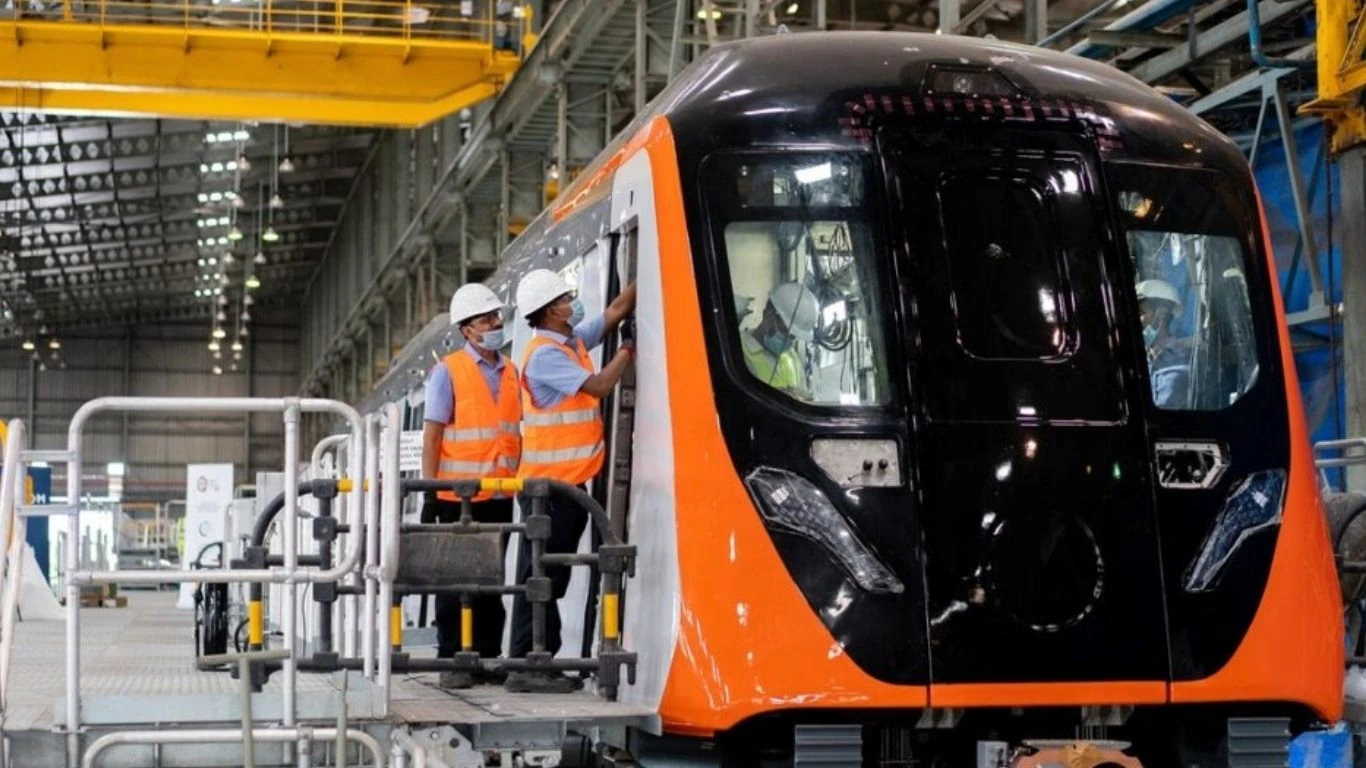
India’s logistics and mobility sectors face a shortage of skilled drivers. To address this, the Automotive Skills Development Council (ASDC) launched a five-year program. This initiative has graduated 156 candidates, moving them from informal labor to formal employment. The program focuses on Light Motor Vehicles (LMV), Heavy Motor Vehicles (HMV), and professional taxi services. Michelin India and HCL Foundation support the effort.
Key Highlights
- ASDC program has graduated 156 drivers into formal employment in logistics and mobility sectors
- Training is conducted in Pune and Bangalore with support from Michelin India and HCL Foundation
- Certified drivers now earn between Rs 15,000 and Rs 22,000 per month after placement
- The curriculum covers 330 to 360 hours, including theory, maintenance, and customer handling
- Future goals include increasing female participation and expanding industry partnerships
Program Structure and Locations
The program operates in Pune and Bangalore. These cities are major automotive and transport hubs in India. The locations were chosen for their strong fleet ecosystems and high demand for commercial drivers.
ASDC partners with the Institute of Driving and Traffic Research (IDTR) to deliver training. IDTR provides infrastructure and certified trainers. The curriculum covers 330 to 360 hours of instruction. Training goes beyond basic driving skills.
It includes driving theory, vehicle maintenance basics, and practical sessions. Defensive driving and road safety are part of the program. Trainees also learn professional workplace behavior and customer handling. These skills are important for retention in the taxi sector.
Impact on Participants
Before joining the program, most candidates earned between Rs 8,000 and Rs 10,000 per month. After certification and placement, their incomes increased to Rs 15,000 to Rs 22,000 per month. This change marks a shift from informal to formal employment. Many participants now have structured career paths. This leads to better living standards and improved access to healthcare and education for their families.
Future Priorities
The program aims to create sustainable livelihoods by 2026. Key goals include increasing female participation, which is currently about 7% of graduates. The initiative will also strengthen post-placement tracking to monitor driver career progression. Expanding partnerships with commercial transport operators is another priority.
This ensures a direct pipeline from training to employment. Standardized training models like this will be crucial as India’s transport sector evolves. They help maintain the pace of economic growth by supplying industry-ready drivers.
CarBike 360 Says
The ASDC’s initiative to train 156 drivers reflects a timely push toward building a skilled workforce for India’s expanding logistics and mobility landscape. As demand continues to rise, such programs will play a crucial role in enhancing road safety, operational efficiency, and employment opportunities.


You May Like





Find your perfect car

Budget

Brand

Body Type

Fuel

Mileage

More
Latest Car Videos


Top Auto News of the Week | Hyundai i20 Leak, Honda ZR-V, Tata Sierra EV, Skoda EV & More!

Talking about new Honda City and upcoming ZR-V SUV with Honda India’s Kunal Bahl!
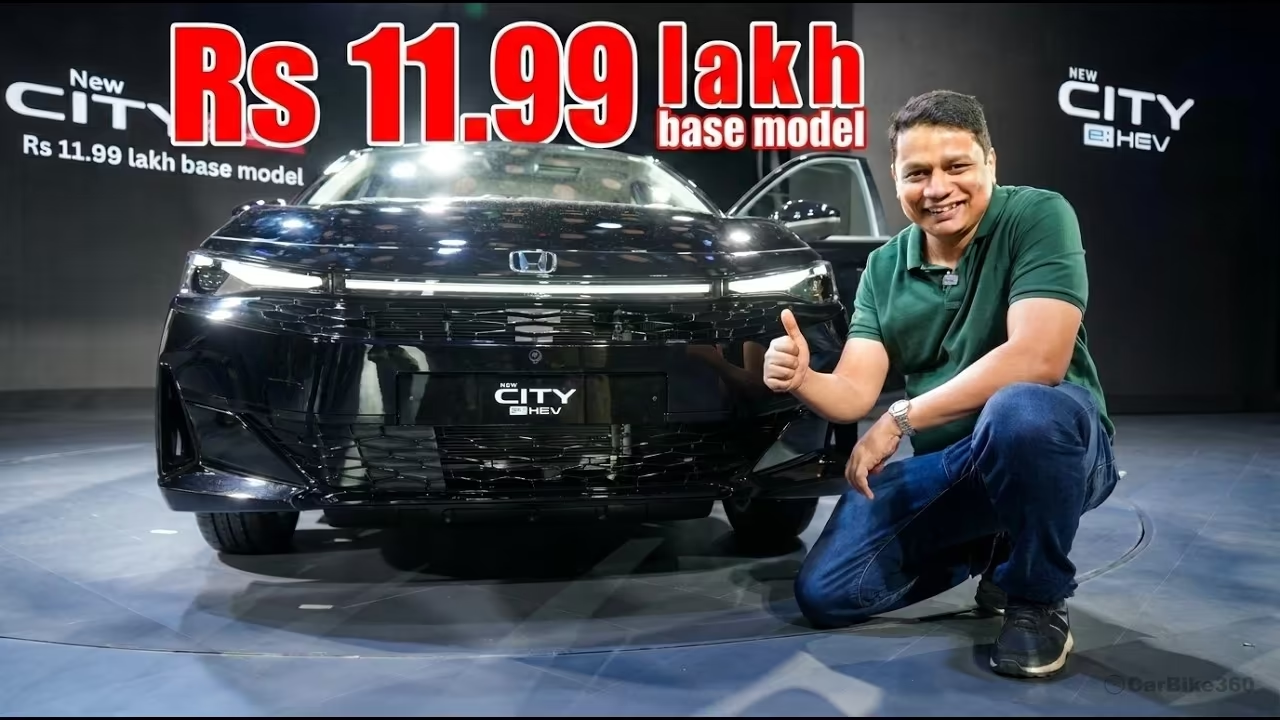
2026 Honda City Launched in India - Better than VW Virtus, Hyundai Verna & Skoda Slavia?

Weekly Auto & EV Wrap-Up: Luxury Launches, AI Tech & Big Industry Updates!
Other Car News

Bolt Earth adds 350 EV chargers to MapmyIndia app to expand charging access

Pre-owned luxury electric vehicles boost Autobest Emperio sales by 25 percent
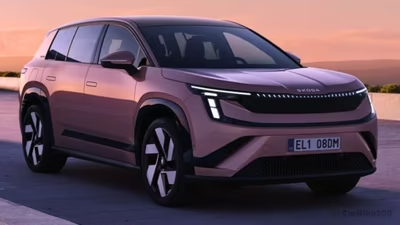
Skoda Peaq unveiled as flagship electric SUV with 647 km range

Maruti Suzuki, Mahindra and Tata Motors eye UK EV opportunity under India-UK trade deal
Listen to Car Audios