ELECTRIC
Ethanol Fuel at a Crossroads: Can Indian Vehicles Safely Embrace Biofuel?
 Add CarBike360 on Google
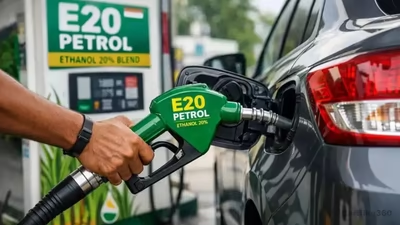
India’s ethanol blending program reached a milestone with 20% ethanol in petrol, enhancing energy security and supporting farmers. While E20 fuel may cause a slight dip in vehicle mileage, it offers significant environmental and economic advantages.

Aug 19, 2025 06:21 am IST
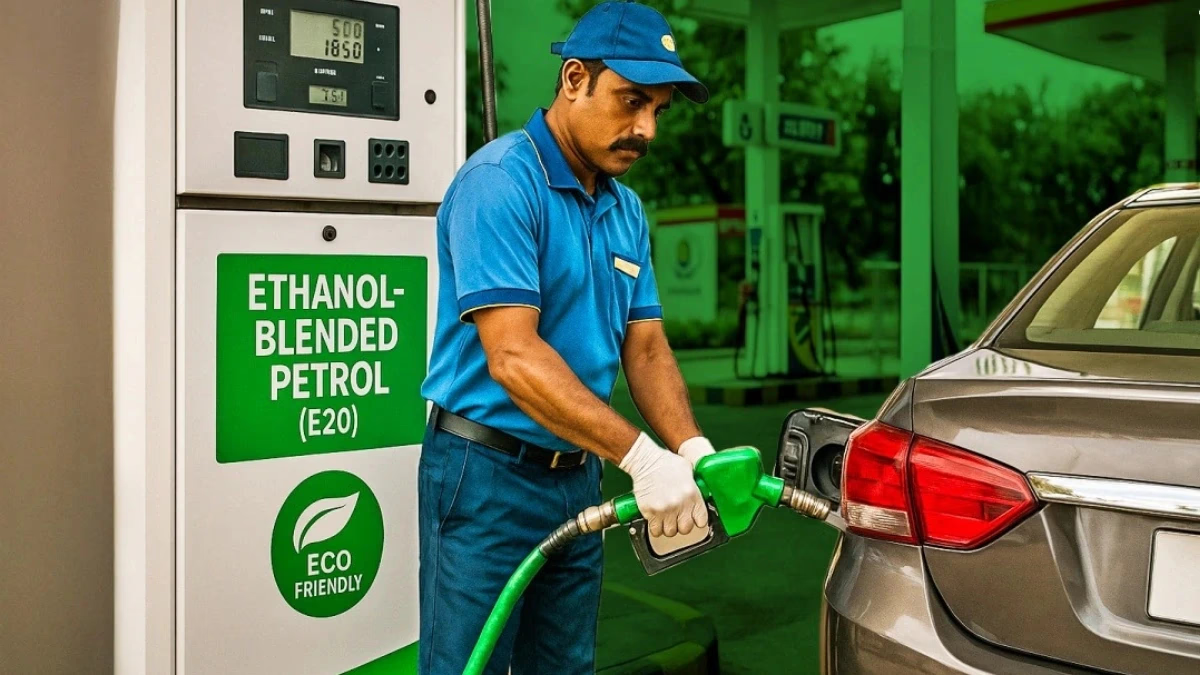
India is at a mere juncture in its energy destination with the widespread use of ethanol-blended fuel, particularly the E20 mixture. As per the statement released by the Union Ministry of Petroleum and Natural Gas, the citizens immediately raised concern about the drop in mileage and performance of their vehicles.
As the nation pushes toward sustainable and greener alternatives, concerns and rumors regarding vehicle compatibility and safety have taken center stage. This is due to the use of ethanol-blended fuels like E10 and E20. Here in this article, we try to unpack the facts and fears surrounding ethanol fuel.Here’s everything you need to know.
Also Read: India’s PM E-DRIVE Scheme Unveils Game-Changer Incentive Shake-Up for E-Vehicles and E-3Ws
The National Concern Over Ethanol-Blended Petrol
Ethanol is a type of alcohol that is derived from the extraction of natural resources like the molasses or husk of crops such as corn, sugarcane, wheat, and barley. These ethanol fuels have been available since 2022, with 90% petrol mixed with 10% ethanol, and vehicles manufactured after 2020 are BS6 emission compliant and designed to run on biofuel.
Due to this, the government launched an ethanol blending program aimed at boosting energy security, supporting farmers, and promoting environmental sustainability, which has recently become a headline across the nation. For these auto brands, they have to update the new vehicle powertrains to BS6 Phase 2 compliance to run on E20 fuel.
The distribution of E20 fuel, containing 20% ethanol blended with 80% petrol, has raised questions about vehicle safety, performance, and long-term impact, sparking widespread debate among consumers and industry experts.
Unpacking the Rumors and Realities of Ethanol-Fueled Vehicles
Many vehicle owners are now facing problems regarding reduced mileage, engine corrosion, and insurance complications due to the ethanol-blended fuel. Those vehicles that were manufactured before 2020 are not calibrated enough to run a higher octane biofuel, so they are now creating problems for the long run. These factors can lead to fuel system component wear, including seals, gaskets, and injectors, which may demand recalibration or replacement to maintain optimal engine function.
The Ministry of Petroleum and Natural Gas has issued strong clarifications that E20 fuel does not impact insurance coverage and continues to push for ethanol blending as a cornerstone of India's energy transition.
What Vehicle Owners Should Know and Do
Those owners who owned cars before 2020 are advised to regularly maintain their cars and add appropriate fuel additives. They should also visit dealership service centers for potential part replacements. Those parts that are on the verge of being affected by corrosion should be replaced immediately to ensure.
It's also crucial for users to avoid prolonged storage of ethanol-blended fuel in tanks without proper drying, as ethanol’s hygroscopic properties can foster corrosion if exposed to moisture.
Conclusion
The ethanol-blended fuels like E20 showcase adaptation challenges for older vehicles; current evidence indicates that newer models are safe and efficient on biofuel. With continued support, awareness, and maintenance, Indian car consumers can confidently pivot toward this eco-friendly fuel future without fear.
Also Read: Entry-Level Bikes & Cars Might Get Cheaper: How India's New GST Reforms Reshape the Automotive Industry


You May Like


Find your perfect car

Budget

Brand

Body Type

Fuel

Mileage

More
Latest Car Videos


Top Auto News of the Week: Tata Sierra EV, BMW X6, E85 Fuel & More - Weekly Wrap

Top Auto News of the Week | Hyundai i20 Leak, Honda ZR-V, Tata Sierra EV, Skoda EV & More!
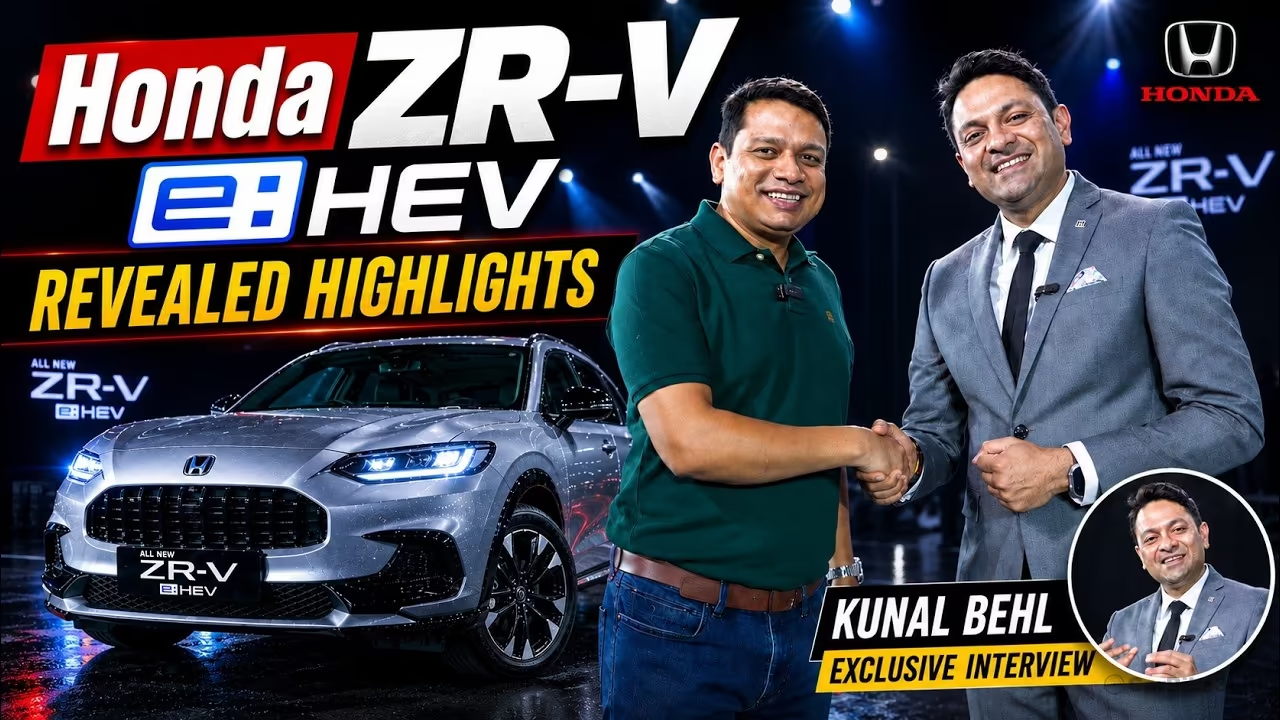
Talking about new Honda City and upcoming ZR-V SUV with Honda India’s Kunal Bahl!
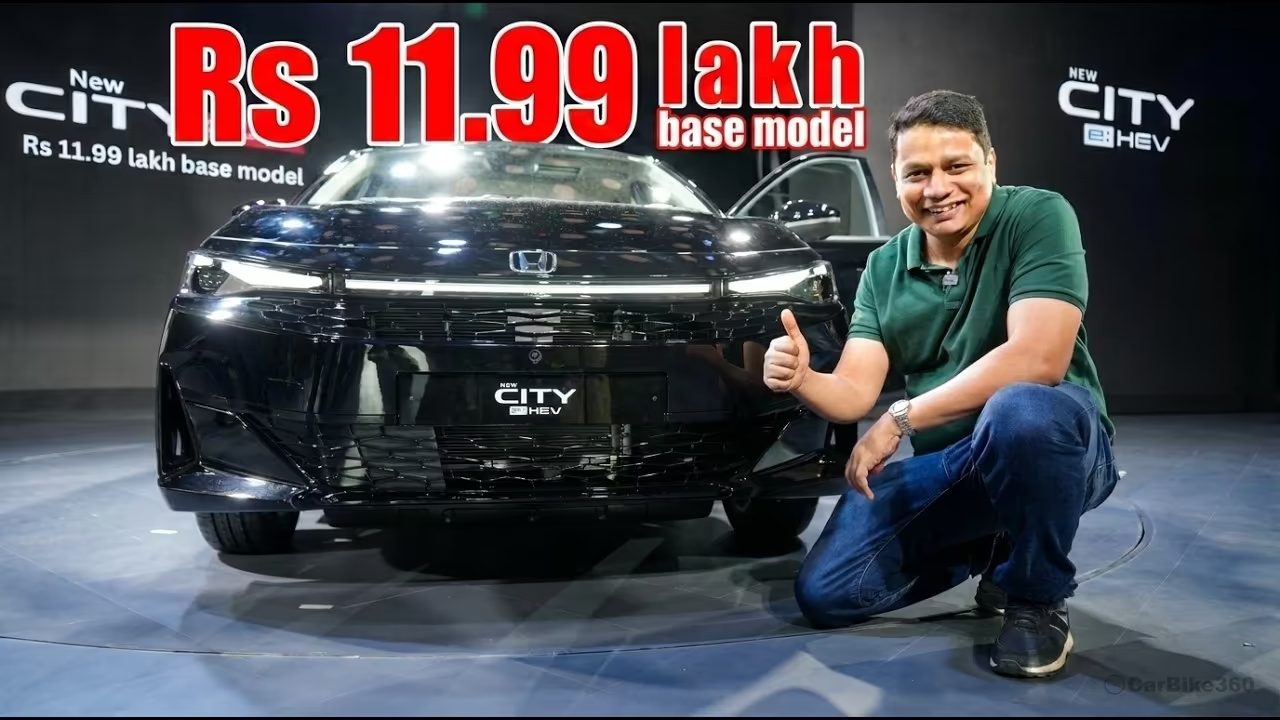
2026 Honda City Launched in India - Better than VW Virtus, Hyundai Verna & Skoda Slavia?
Other Car News
Listen to Car Audios