ELECTRIC
India pushes for hydrogen and cleaner fuels to transform transport sector
 Add CarBike360 on Google
The Indian government is actively promoting hydrogen and alternative clean fuels to cut vehicular emissions and build a sustainable transport ecosystem.

Apr 28, 2026 08:51 am IST

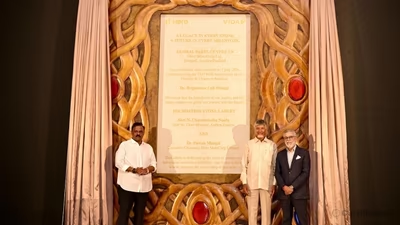
At the Busworld Conclave 2026, India's Minister of Road Transport and Highways, Nitin Gadkari, called hydrogen the fuel for the future. He stated that vehicles running on petrol and diesel have no long-term future. Gadkari urged the transport industry to adopt cleaner fuels and modernize public transport systems rapidly.
Key Highlights
- Minister Nitin Gadkari calls hydrogen the fuel for the future at Busworld Conclave 2026
- India spends heavily on fossil fuel imports raising economic and environmental challenges
- Hydrogen-powered buses and trucks are being tested on multiple routes in India
- Only 1.5 lakh of India's 20 lakh buses have existing operator infrastructure
- Gadkari urges higher standards for bus quality safety and comfort
He highlighted that India's reliance on fossil fuel imports poses both economic and environmental challenges. The country spends heavily on importing petrol and diesel, which increases pollution and import dependency. Gadkari emphasized the need for alternatives such as biofuels and hydrogen to address these issues.
Transition to Alternative Fuels
Gadkari said the transport sector must focus on cost-effective, pollution-free, and indigenous solutions. He noted that public transport development is essential as India expands its highway and urban mobility networks. The minister pointed out that hydrogen is a promising energy source, with pilot projects already underway in India. Hydrogen-powered trucks and buses are currently being tested on several routes.
He stressed the importance of research in hydrogen technology to support this transition. Gadkari also mentioned that innovations like flash charging could help improve the customer experience and align with global trends.
Improving Bus Quality and Safety
Alongside cleaner fuels, Gadkari called for higher standards in bus manufacturing and design. He said passenger expectations are rising, and Indian buses must match international benchmarks for comfort and reliability. Safety standards in bus construction should not be compromised, according to the minister.
Gadkari stated that the transport sector must plan for good quality and comfort, ensuring services are equal to international standards. He highlighted that of India's approximately 20 lakh buses, only 1.5 lakh are operated by companies with existing infrastructure. The rest lack adequate support, underscoring the need for modernization and investment in the sector.
Industry and Policy Implications
The minister's remarks reflect growing pressure on the industry to reduce pollution and import dependency. The push for hydrogen and other alternative fuels aims to address environmental concerns and support India's economic interests. The government encourages manufacturers and operators to invest in new technologies and improve public transport quality.
Also Read: Fuel supply concerns in Andhra Pradesh trigger panic buying despite government assurances
CarBike 360 Says
India’s push toward hydrogen and cleaner fuels signals a decisive step in reshaping its transport landscape. With strong policy backing and growing industry participation, the shift could significantly cut emissions while reducing fuel dependency. However, infrastructure development and cost challenges remain key hurdles. If addressed effectively, this transition could position India as a global leader in sustainable mobility solutions.


You May Like






Find your perfect bike

Brand

Budget

Body Type

Fuel

Mileage

More
Latest Bike Videos





Other Bike News
Listen to Bike Audios