ELECTRIC
India Raises Ethanol Blending Target to 30% by 2030, Five Years Ahead of Schedule
 Add CarBike360 on Google
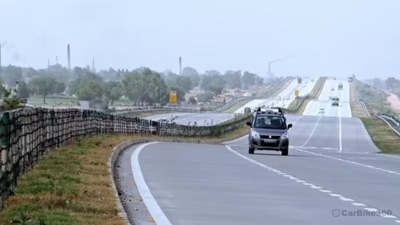
India has fast-tracked its ethanol blending strategy, mandating E20 petrol nationwide from April 2025 and targeting 30% ethanol (E30) in petrol within five years.

By prayag
Apr 16, 2025 04:51 pm IST
In a major development for India’s energy and fuel landscape, the government has officially revised its ethanol blending targets, now aiming to achieve 30% ethanol (E30) in petrol within the next five years. This comes on the heels of the country surpassing its original target of 20% ethanol blending (E20) by 2030, five years ahead of schedule.
As of April 1, 2025, fuel stations across the country are mandated to retail E20 petrol, marking a significant milestone in India's ethanol adoption journey. According to InCred's latest report, Deepak Ballani, Director General of the Indian Sugar & Bio-energy Manufacturers Association, confirmed that “This year, we’ve already done around 19%-20%. This is five years earlier than the target for 2030,” highlighting the accelerated pace of ethanol integration into India’s fuel mix.
Govt Evaluates Rollout Strategy for E30
To meet the newly set E30 target, the Ministry of Petroleum and Natural Gas, along with other key stakeholders, has granted inter-ministerial approval. The central government is now in deliberation over two potential implementation pathways: a phased rollout or a unified, nationwide deployment.
In a phased rollout, E30 fuel would first be introduced in select urban clusters or Tier-1 cities, gradually expanding to Tier-2 and rural regions. This approach allows for logistical flexibility and gives automakers and fuel retailers time to adapt. On the other hand, a unified strategy would see a blanket implementation of E30 across all regions, demanding quicker upgrades in fuel infrastructure and vehicle technology.
Ethanol’s Benefits and Challenges
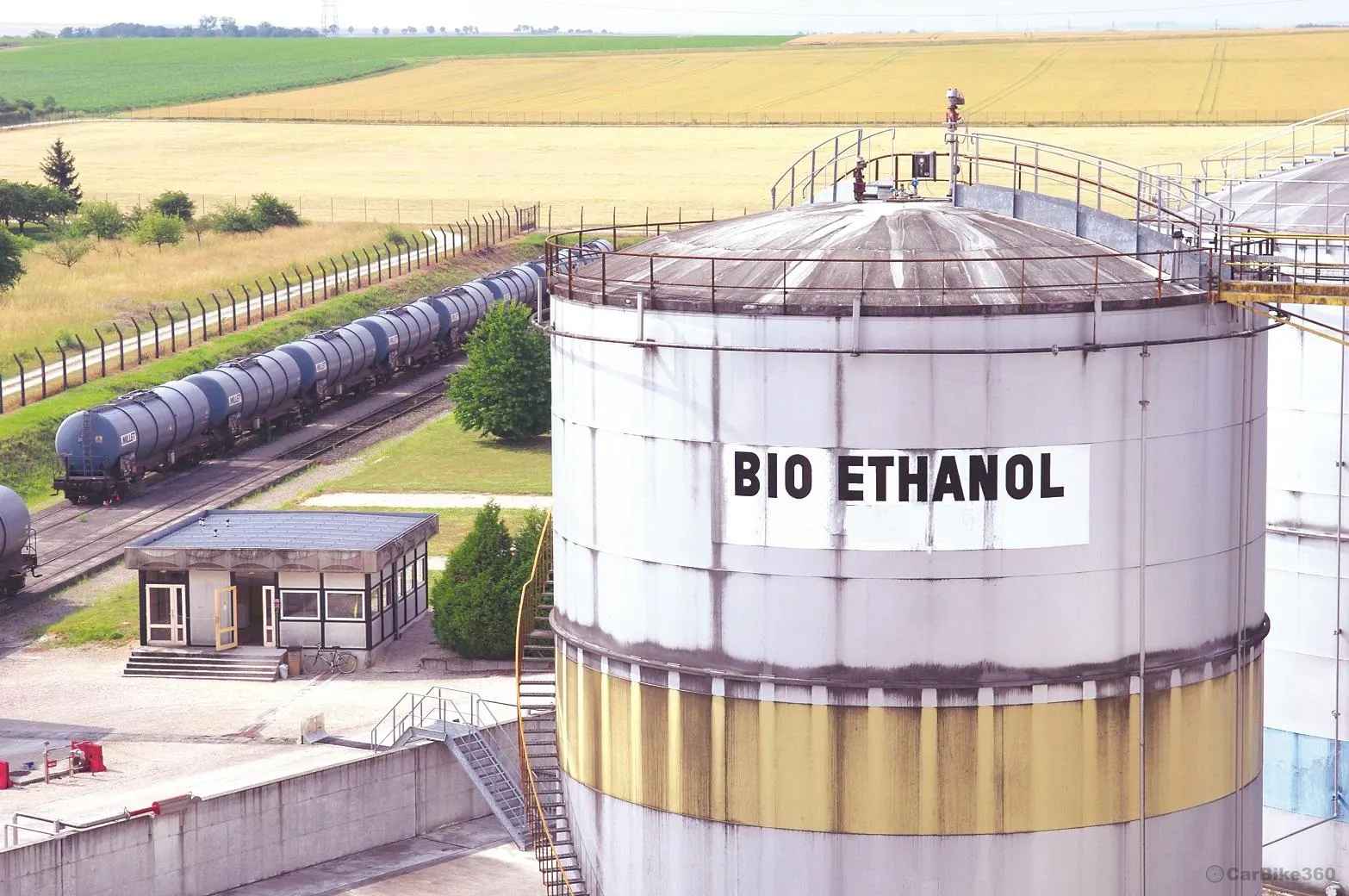
The push toward higher ethanol content in petrol is rooted in multiple national priorities. Increasing ethanol blending reduces India’s dependency on imported crude oil, enhances energy security, lowers greenhouse gas emissions, and provides a significant economic boost to the agrarian sector by increasing demand for sugarcane, maize, and other bio-feedstock crops.
However, there are technical and practical downsides that need urgent addressing. While all petrol-powered vehicles currently on sale in India are compatible with E20, the transition to E30 poses potential issues. Higher ethanol content can impact fuel efficiency and engine performance, particularly when the ethanol percentage crosses the 25% threshold. This can result in decreased power output and increased maintenance costs for petrol vehicle owners.
Older vehicles, especially those not built to handle ethanol blends, are at greater risk. Ethanol is hygroscopic, as it absorbs moisture from the air and is also mildly corrosive. This can lead to long-term damage to rubber and plastic components such as fuel lines, gaskets, seals, and even the fuel tank if they are not upgraded to ethanol-resistant materials.
What Lies Ahead
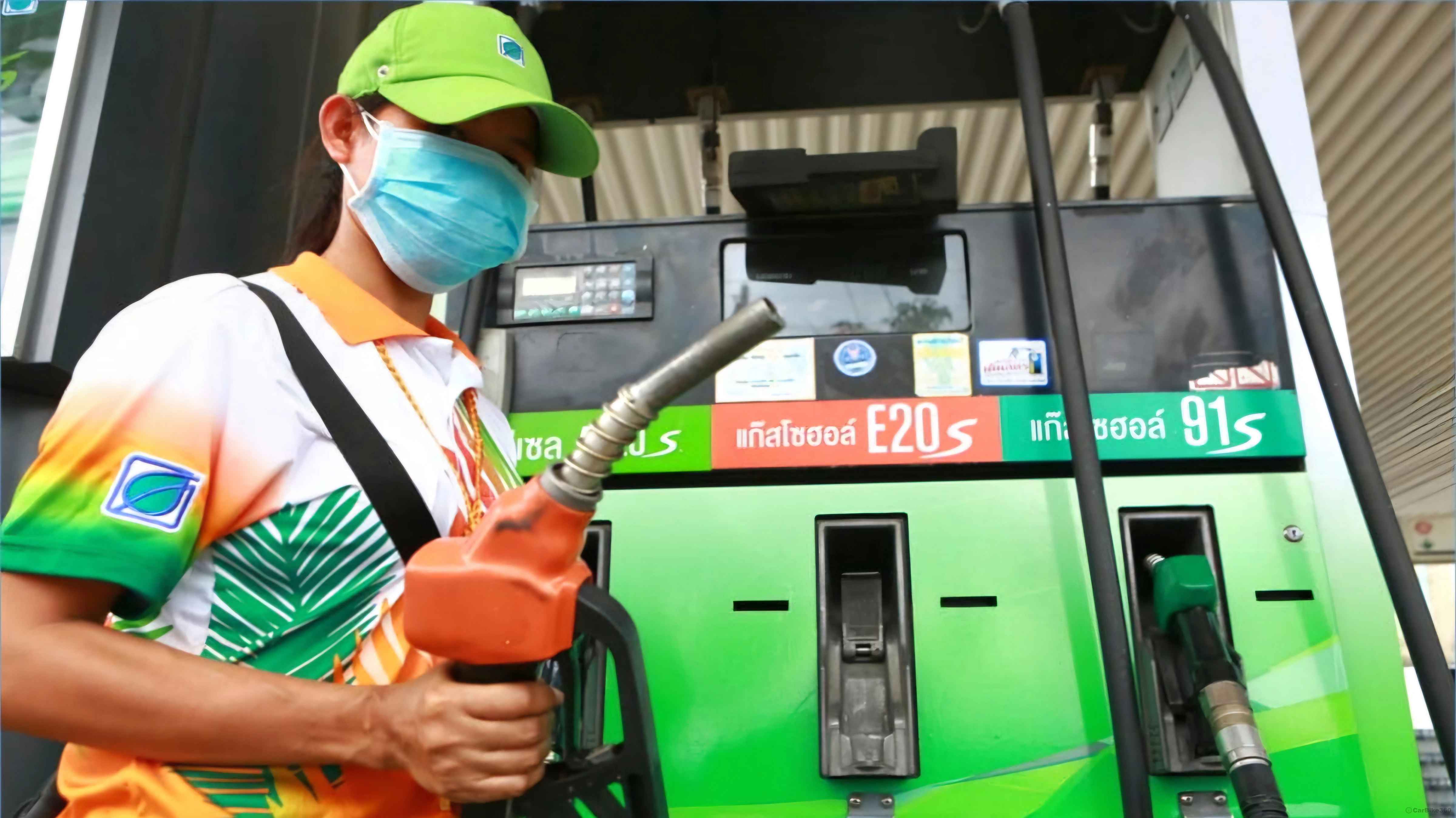
Automobile manufacturers and fuel system suppliers will have to work in tandem with the government to ensure compatibility and durability of hardware as India transitions toward E30. This could involve introducing new engine calibration standards and material upgrades to prevent premature wear and tear.
Moreover, consumer awareness will play a critical role in the adoption of higher-blend fuels. Petrol pump operators, mechanics, and car owners will need guidance on proper fuel usage, especially for older cars or two-wheelers that might not be E20 or E30 compliant.
In summary, India’s leap forward on ethanol blending is a bold step toward cleaner, more self-reliant mobility. Yet, this energy transition needs to be carefully navigated to avoid unintended consequences for the nation’s massive base of petrol vehicle users. As policymakers weigh the rollout strategy for E30, the coming months will be crucial in defining how effectively India balances its green fuel ambitions with automotive realities.
Also Read: Hero Splendor Plus Updated for OBD2B Compliance with Minor Price Hike


You May Like



Find your perfect car

Budget

Brand

Body Type

Fuel

Mileage

More
Latest Car Videos


Top Auto News of the Week: Tata Sierra EV, BMW X6, E85 Fuel & More - Weekly Wrap

Top Auto News of the Week | Hyundai i20 Leak, Honda ZR-V, Tata Sierra EV, Skoda EV & More!

Talking about new Honda City and upcoming ZR-V SUV with Honda India’s Kunal Bahl!
2026 Honda City Launched in India - Better than VW Virtus, Hyundai Verna & Skoda Slavia?
Other Car News
Listen to Car Audios