ELECTRIC
India rolls out digital toll enforcement with e-notices and heavier penalties
 Add CarBike360 on Google
India has implemented a nationwide digital toll enforcement system featuring e-notices and higher fines for defaulters. The move targets better compliance, reduced congestion, and a more transparent toll collection process.

By Utsav Chaudhary
Mar 20, 2026 10:58 am IST
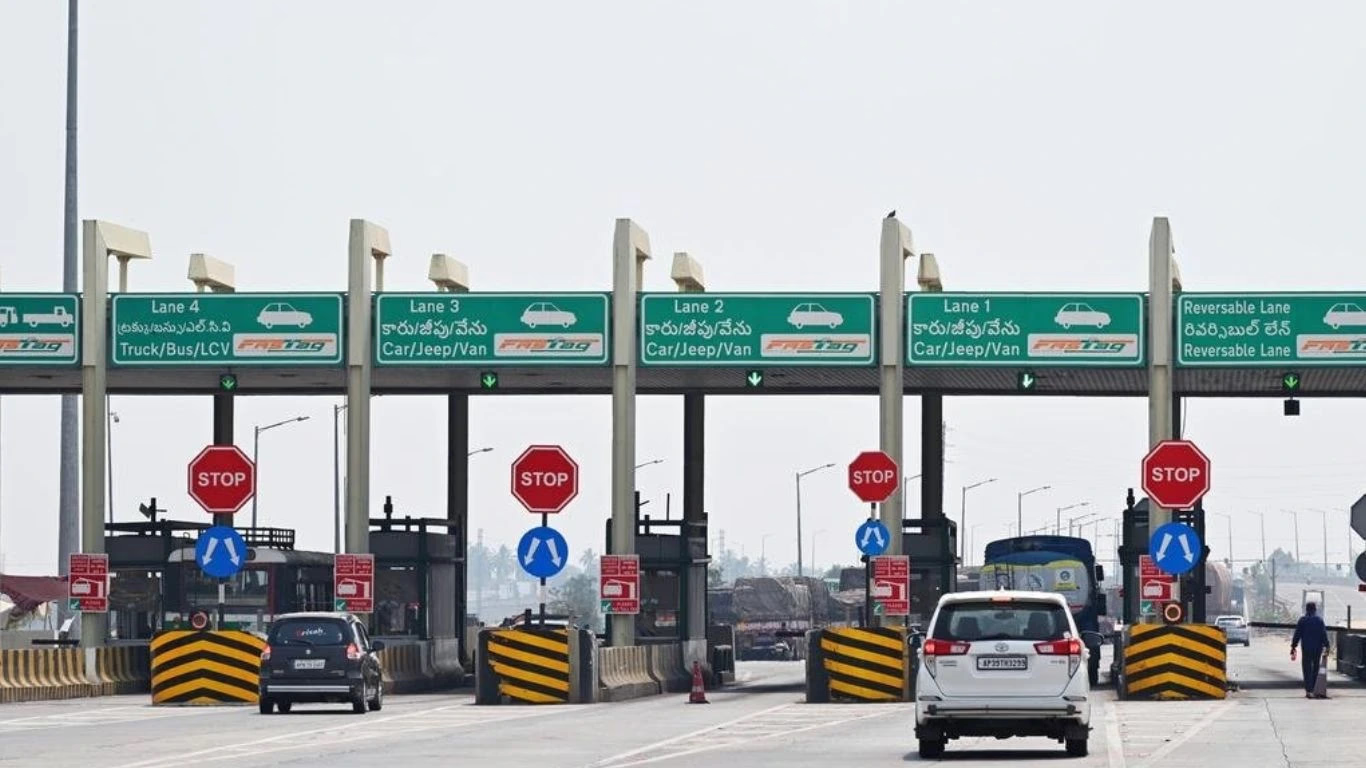
The Government of India has implemented new national highway toll regulations. The updated rules introduce a digital enforcement system, including e-notices for unpaid tolls, penalties up to twice the original fee, and integration with the Vahan vehicle database. These changes are now in effect and aim to improve compliance and streamline toll collection as India moves toward barrier-free highways.
Key Highlights
- India introduces digital toll enforcement with e-notices for unpaid tolls and penalties up to twice the fee
- E-notices sent via SMS, email, apps or portal with 72-hour window to pay without extra charges
- Integration with Vahan database links unpaid tolls to vehicle records and may restrict related services
Key Features of the New Toll Rules
One major update is the formal definition of an 'unpaid user fee.' This term now refers to any toll left unpaid after a vehicle is recorded by an electronic toll collection system. The clear definition helps authorities identify violations and recover outstanding dues more efficiently.
Enforcement will now rely less on physical checks at toll plazas. The government is transitioning to barrier-free tolls, reducing the need for manual intervention. If a user fails to pay a toll due to insufficient balance, technical issues, or missing tags, they will receive an e-notice. These notices are sent via SMS, email, mobile apps, or a dedicated online portal. Each notice will include the vehicle number, toll crossing location, date, and the amount payable, increasing transparency in the process.
Penalties, Dispute Resolution, and Digital Integration
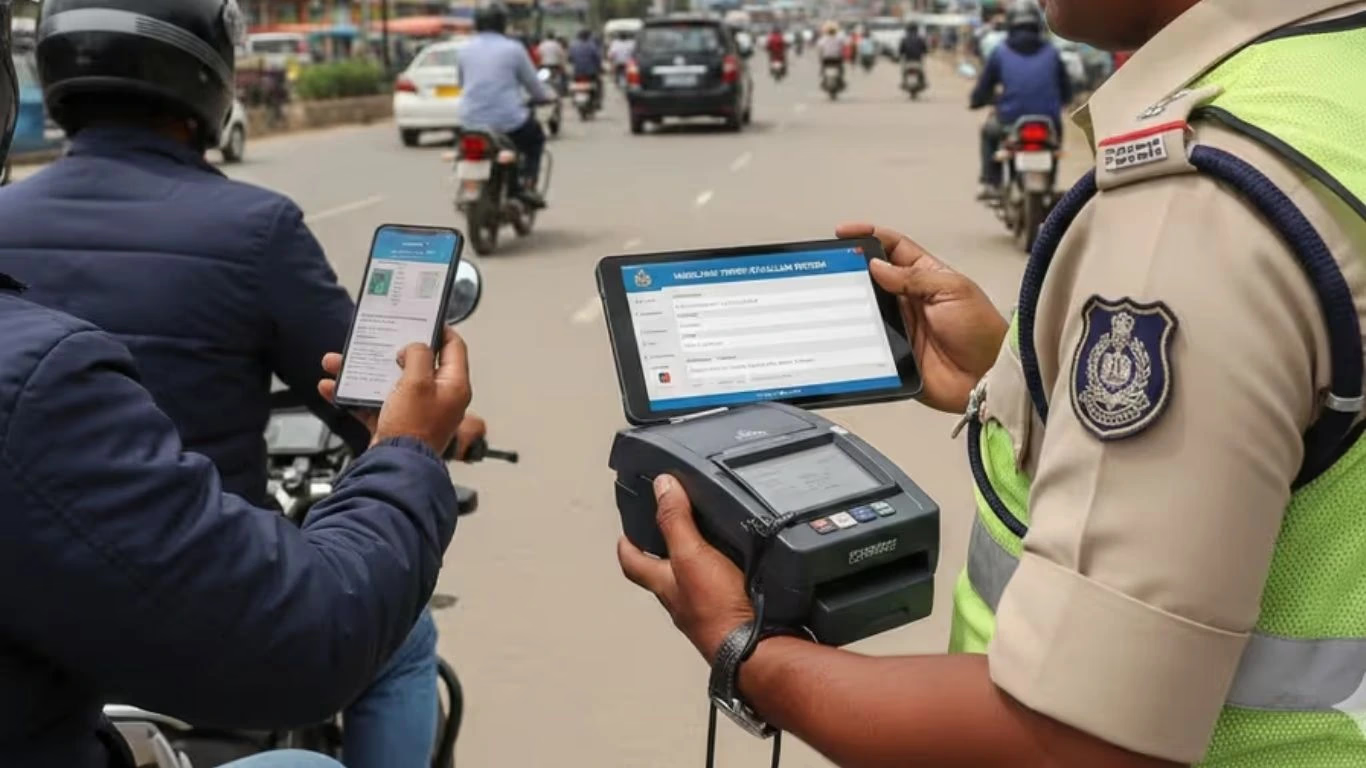
The revised rules introduce a clear financial penalty for non-payment. If the toll remains unpaid, the amount due can increase to twice the original fee. However, users who pay within 72 hours of receiving the e-notice will only need to pay the original toll amount, avoiding extra charges.
Vehicle owners can challenge an e-notice within 72 hours of its issuance if they believe it is incorrect. Authorities must resolve such complaints within five days. If the complaint is not addressed in this period, the toll claim will be automatically cancelled.
The toll collection system is now linked with the Vahan database. This integration allows unpaid dues to be directly tied to vehicle records. If payment is not made within 15 days and no dispute is raised, the unpaid amount will be recorded against the vehicle on the Vahan portal. This could restrict access to vehicle-related services until the dues are cleared.
Impact on Commuters and Compliance
The revised rules aim to make toll collection simpler and more digital. Commuters benefit from e-notices with a 72-hour no-penalty window, making it easier to pay missed tolls. For the government, digital tracking and Vahan integration are expected to improve compliance and reduce revenue loss, supporting smoother highway operations.
Also Read: NHAI annual pass set to get costlier from April 1, 2026: Everything you need to know
Conclusion
With the digital toll enforcement system, India takes a decisive step toward smarter, more transparent road transport management. Automated monitoring, e-notices, and stricter penalties promise to curb violations and ensure smoother vehicle movement across highways. This initiative not only champions efficiency and fairness but also sets the foundation for a technology-driven road infrastructure ecosystem.


You May Like





Find your perfect car

Budget

Brand

Body Type

Fuel

Mileage

More
Latest Car Videos


Top Auto News of the Week: Tata Sierra EV, BMW X6, E85 Fuel & More - Weekly Wrap

Top Auto News of the Week | Hyundai i20 Leak, Honda ZR-V, Tata Sierra EV, Skoda EV & More!

Talking about new Honda City and upcoming ZR-V SUV with Honda India’s Kunal Bahl!

2026 Honda City Launched in India - Better than VW Virtus, Hyundai Verna & Skoda Slavia?
Other Car News



Listen to Car Audios