

 ELECTRIC
Longer car ownership trends emerge in India as replacement cycles slow down
 Add CarBike360 on Google
Indian car buyers are increasingly delaying upgrades, leading to longer ownership cycles and reshaping market dynamics across segments.

By Priya Thakur
May 28, 2026 05:23 am IST
Published On
May 28, 2026 05:00 am IST
Last Updated On
May 28, 2026 05:23 am IST
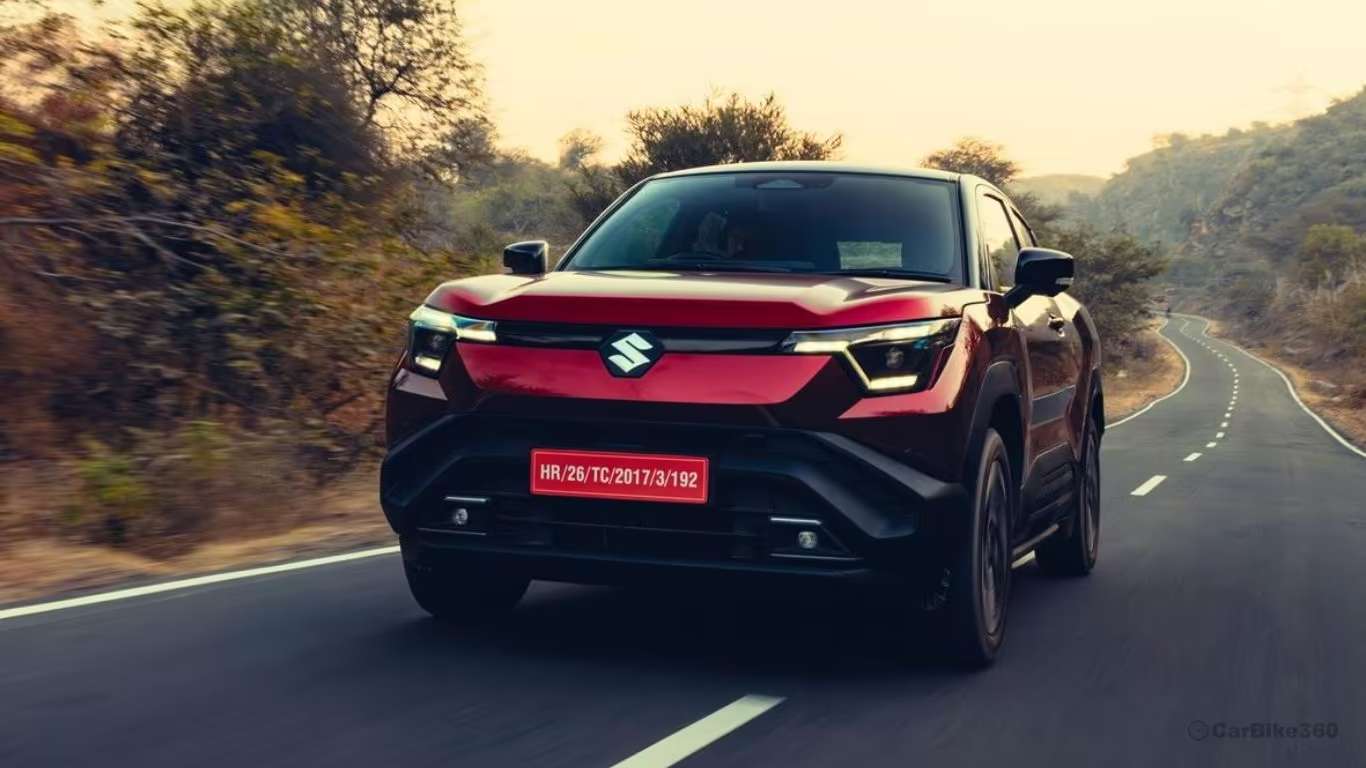
Indian car owners are holding onto their vehicles longer than before. Improved reliability, rising replacement costs, and emotional attachment are key reasons for this shift. Many older models, such as the Honda City, Volkswagen Vento, Polo, Maruti Baleno, Toyota Innova, and Hyundai Creta, remain common on roads. Owners do not feel an urgent need to upgrade, as these cars still meet daily needs.
Key Highlights
- Indian car owners are keeping vehicles longer due to reliability and rising replacement costs
- Older models like City, Polo, and Innova remain common as they still meet daily needs
- Modern cars age more slowly with relevant features, reducing the urgency to upgrade
- Financial considerations and emotional attachment influence longer ownership cycles
Changing Patterns in Car Aging
Cars used to age quickly, with interiors and technology becoming outdated in six or seven years. Newer generations often felt much more modern than their predecessors. Today, that gap has narrowed. Many cars from six or seven years ago still offer features like touchscreens, reverse cameras, automatic gearboxes, and safety equipment. These features remain relevant, reducing the urgency to replace older cars.
Owners now view upgrading as a financial decision rather than a necessity. When a current car remains comfortable and functional, the motivation to buy a new one weakens. This shift marks a significant change in car ownership cycles in India.
Financial Considerations Drive Decisions
Buying a new car has become a more serious financial commitment. Modern SUVs often come with high on-road prices. Additional costs include larger tyres, advanced electronics, insurance, and ADAS-equipped bumpers. These expenses make ownership more costly than before. As a result, many owners prefer to keep their existing vehicles if they remain reliable and efficient.
Showroom sales conversations also reflect this trend. Salespeople now highlight future-proofing, encouraging buyers to choose top variants with features that will stay relevant for years. Buyers increasingly look for cars that will not feel outdated quickly. Features once seen as excessive now serve as justifications for long-term ownership.
Older Cars Remain Satisfying
Many older models, such as the Volkswagen Polo, Vento, and earlier Maruti Balenos, still offer a satisfying driving experience. These cars may lack modern features like large screens or ADAS, but they remain well-engineered and mechanically reliable. Older cars focused on fundamentals such as ride quality, steering feel, and durability. Owners continue to appreciate these qualities years after purchase.
Modern cars compete through extensive feature lists, including connected technology, ambient lighting, and panoramic roofs. While these features enhance safety and comfort, they do not always make older cars feel obsolete. Emotional attachment also plays a role. Familiarity with a car’s handling, maintenance, and operating costs builds comfort over time. This connection encourages owners to keep their cars longer.
Market Trends and Owner Behavior
The Indian car market sees frequent new launches and rapid technological advancements. However, owners are slowing down replacement cycles. Many modern and older well-built cars remain satisfying to own for years. As a result, cars are becoming long-term companions rather than short-term assets. This trend marks a notable shift in how Indian buyers approach car ownership today.
Also Read: Hatchbacks remain relevant in India despite SUV boom
CarBike 360 Says
As ownership cycles lengthen, the Indian automotive market is entering a phase of maturity where durability, value retention, and evolving consumer priorities take center stage. Automakers will need to adapt through innovation, stronger after-sales engagement, and flexible ownership models. This shift not only reflects changing buyer behavior but also signals a more stable and strategically evolving industry landscape.


You May Like


Find your perfect car

Budget

Brand

Body Type

Fuel

Mileage

More
Latest Car Videos

Talking about new Honda City and upcoming ZR-V SUV with Honda India’s Kunal Bahl!
2026 Honda City Launched in India - Better than VW Virtus, Hyundai Verna & Skoda Slavia?

Weekly Auto & EV Wrap-Up: Luxury Launches, AI Tech & Big Industry Updates!
Weekly news wrap-up - CNG sales up, Fortuner prices raised, Hyundai completes 30 years
Other Car News


Listen to Car Audios


Vihan AI - Your Car assistant
Ask me anything about cars, prices, and comparisons.