ELECTRIC
Maruti Suzuki starts Wagon R flex-fuel deliveries to industry leaders
 Add CarBike360 on Google
Maruti Suzuki has begun delivering Wagon R flex-fuel models to select industry executives, showcasing its commitment to sustainable mobility and ethanol-based fuel technology in India.

Jun 17, 2026 06:03 am IST
Published On
Jun 16, 2026 02:01 pm IST
Last Updated On
Jun 17, 2026 06:03 am IST
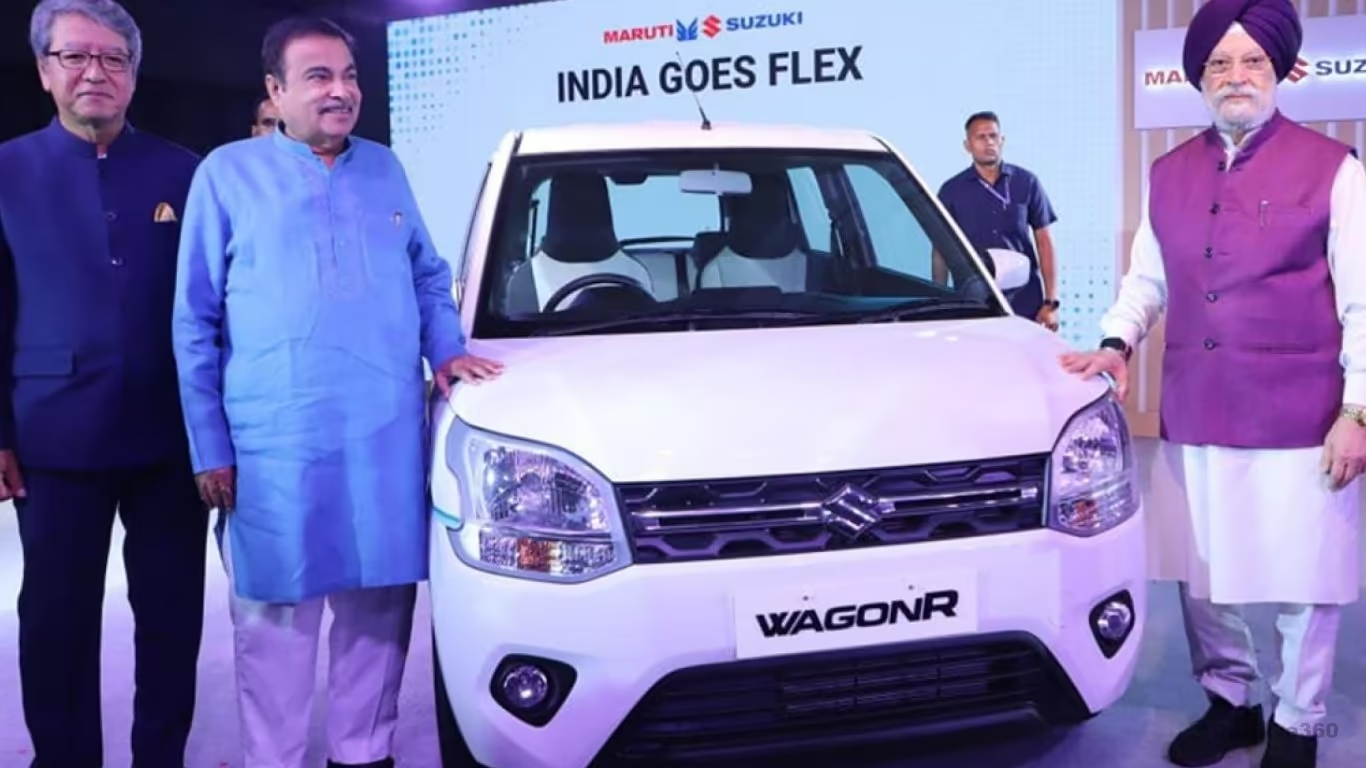
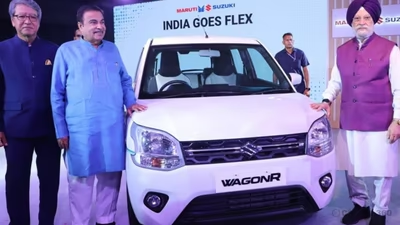
Maruti Suzuki India Limited, the country's largest carmaker, has started retail handovers of its new flex-fuel passenger vehicle. The first deliveries went to executive members of the Indian Sugar and Bio-energy Manufacturers Association (ISMA) in New Delhi. This move aims to test fuel demand viability and support the commercial ethanol ecosystem in India.
Key Highlights
- Maruti Suzuki delivers flex-fuel Wagon R vehicles to ISMA executives in New Delhi
- Wagon R flex-fuel model operates on ethanol-petrol blends from E20 to E100
- Initiative aims to validate biofuel infrastructure and support rural agricultural producers
- Expansion of flex-fuel vehicle deliveries planned as fuel distribution centers grow
Flex-Fuel Wagon R Rollout
The new vehicle Maruti Wagon R Flex Fuel is based on the standard Wagon R model. It is engineered to run on ethanol-petrol blends from E20 up to E100. The rollout took place at a corporate dealership, marking a significant step in the distribution of alternative fuel vehicles in the Indian market. Maruti Suzuki's flex-fuel platform is designed to validate the reliability of India's biofuel infrastructure. It also demonstrates the readiness of commercial fleets for multi-blend internal combustion engines.
Maruti Suzuki's initiative supports the government's push for alternative fuels. The company plans to expand deliveries of flex-fuel variants as more localized fuel distribution centers become operational across the country.
Industry and Economic Impact
Niraj Shirgaokar, President of ISMA, highlighted the importance of flex-fuel technology. He stated that adopting these vehicles shows a practical commitment to the national ethanol blending program's long-term success. Shirgaokar explained that commercial integration of flex-fuel vehicles helps create a stable, long-term fuel demand cycle. This cycle channels energy spending back into the rural economy, directly benefiting agricultural producers who supply feedstock for ethanol production.
The introduction of flex-fuel vehicles is expected to support the growth of the domestic biofuel market. It also encourages investment in rural areas and strengthens the link between the automotive and agricultural sectors.
Future Expansion Plans
Maruti Suzuki expects to increase the allocation of its flex-fuel vehicles to more consumer groups in the coming months. The company is working closely with fuel distributors to ensure that the necessary infrastructure is in place. As the network of ethanol-compatible fuel stations grows, more customers will have access to these alternative fuel vehicles.
This development aligns with national efforts to reduce dependence on traditional fossil fuels. It also supports India's broader goals for energy security and environmental sustainability.
Also Read: 2026 Maruti Brezza spotted undisguised ahead of India launch
CarBike 360 Says
With the rollout of Wagon R flex-fuel vehicles to industry stakeholders, Maruti Suzuki signals a strong push toward cleaner mobility solutions. This initiative not only highlights the brand’s readiness for alternative fuel adoption but also aligns with India’s ethanol-blending goals. As infrastructure evolves, flex-fuel vehicles could play a crucial role in shaping a more sustainable automotive future.


You May Like



Find your perfect car

Budget

Brand

Body Type

Fuel

Mileage

More
Latest Car Videos


Top Auto News of the Week | Hyundai i20 Leak, Honda ZR-V, Tata Sierra EV, Skoda EV & More!

Talking about new Honda City and upcoming ZR-V SUV with Honda India’s Kunal Bahl!

2026 Honda City Launched in India - Better than VW Virtus, Hyundai Verna & Skoda Slavia?

Weekly Auto & EV Wrap-Up: Luxury Launches, AI Tech & Big Industry Updates!
Other Car News
Listen to Car Audios