

 ELECTRIC
Nitin Gadkari: EV Prices to Match ICE Vehicles in Two Years Without Subsidies
 Add CarBike360 on Google
Union Minister Nitin Gadkari reveals that electric vehicle costs could equal petrol and diesel vehicles within two years, even without subsidies, thanks to falling lithium battery prices. OEMs urged to offer diverse fuel options.

By Mohit Kumar
Sep 09, 2024 11:29 am IST
Published On
Sep 09, 2024 11:05 am IST
Last Updated On
Sep 09, 2024 11:29 am IST

Recently Union Minister Nitin Gadkari had suggested that there is no longer need of Subsidies for EV manufacturers as the production cost of vehicles is decreasing and people are accepting the electric vehicles. With this statement many of the OEMs thought it would be difficult as still EVs have not penetrated the market as it should. On Monday 9th September, 2024 on the occasion of EV Day at the 64th ACMA Annual Session in New Delhi, clarified his stance on government incentives for fuel technologies.
He emphasized that while he is not opposed to providing incentives, the cost of electric vehicles (EVs) could match that of internal combustion engine (ICE) vehicles in the next two years, even without subsidies.
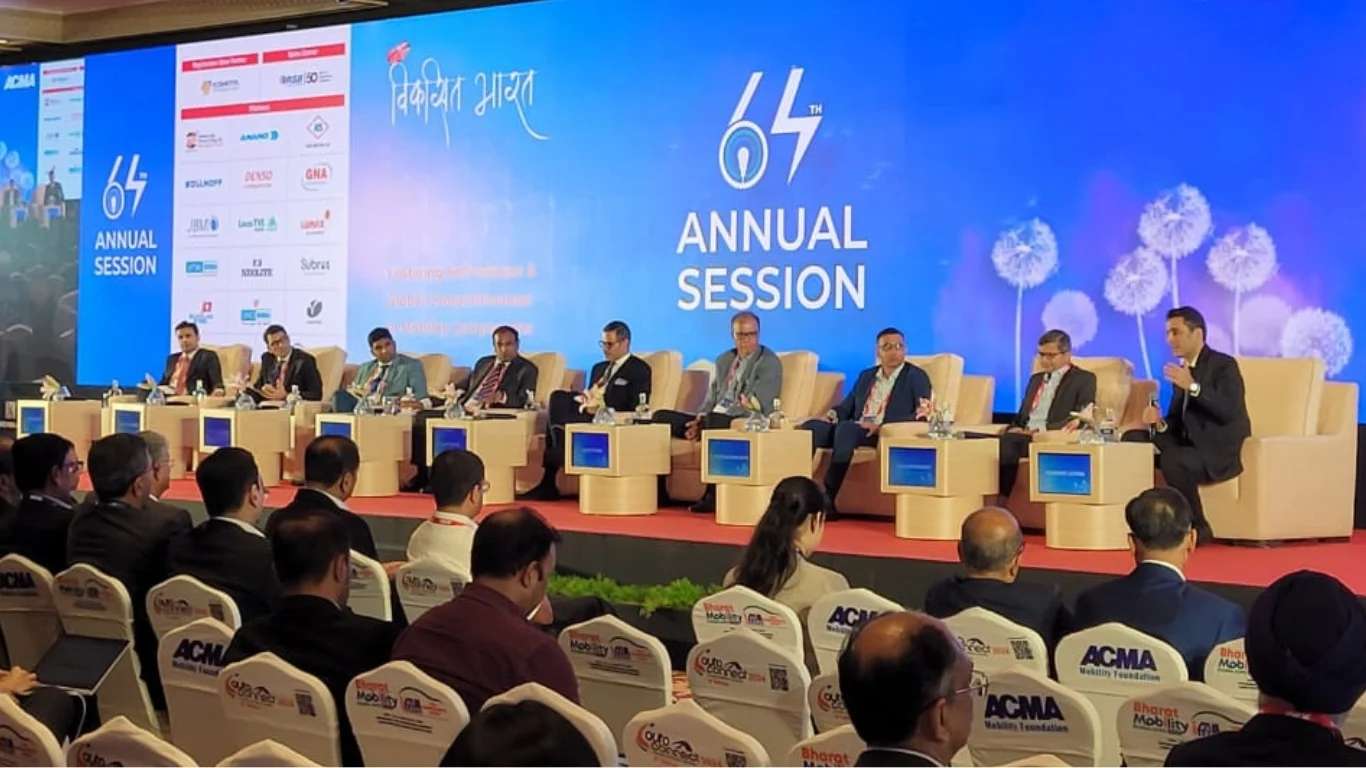
Support for Subsidies, But Not Necessity
During his speech, Gadkari stated, “I am not against subsidies. If the Ministry of Heavy Industry (MoHI) and the Ministry of Finance (MoF) want to continue with them, I have no issue. I will not oppose it.” He pointed out that India currently levies a 5% Goods and Services Tax (GST) on EVs, while hybrid vehicles face over 40% tax.
Falling Lithium Battery Prices and EV Cost Parity
Gadkari highlighted the significant drop in lithium battery cell prices, which has contributed to a reduction in EV production costs. He predicted that, even without subsidies, the cost of EVs would become comparable to that of petrol and diesel vehicles within two years. “At one point, the price of lithium-ion batteries was USD 150 per kWh, but it has now dropped to USD 110 per kWh. Further he added that it will reach USD 100 soon.
Urging OEMs to Offer Diverse Fuel Options
The Union Minister also encouraged original equipment manufacturers (OEMs) to provide multiple fuel options to capture a larger market share. “This is the time to adapt to the market and the preferences of the people. We should aim for fuel technologies that are cost-effective, pollution-free, and indigenous,” Gadkari said. He noted that India's competitive advantages include a low labor cost and a young, talented workforce.
Extension of Electric Mobility Promotion Scheme (EMPS)
At the same event, Union Minister of Heavy Industries HD Kumaraswamy announced the extension of the Electric Mobility Promotion Scheme (EMPS). Initially introduced in April 2024 with an outlay of INR 500 crore, the scheme was extended until September 30 with a revised outlay of INR 778 crore. This extension will last until the finalization of the FAME-III scheme, which aims to further promote the adoption of electric vehicles in India.
Also Read: Impact and Neccessity of FAME III


You May Like


Find your perfect car

Budget

Brand

Body Type

Fuel

Mileage

More
Latest Car Videos

Other Car News

LTM to Acquire Randstad’s Tech and Consulting Services in Europe and Australia

Audi RS 5 Hybrid Sedan Confirmed for India with 639hp and Advanced Features

Honda digital innovation India and T-Hub launch startup mobility programme to drive future innovation

NGK to build new ceramics plant in Ishikawa, Japan by 2029
Listen to Car Audios


Vihan AI - Your Car assistant
Ask me anything about cars, prices, and comparisons.