

 ELECTRIC
AMT vs CVT vs DCT: Which Automatic Car Is Best for Indian Roads?
 Add CarBike360 on Google
We break down AMT, CVT and DCT to help you choose the most practical automatic transmission for Indian roads and daily driving.

Jan 21, 2026 12:10 pm IST
Published On
Jan 21, 2026 10:46 am IST
Last Updated On
Jan 21, 2026 12:10 pm IST
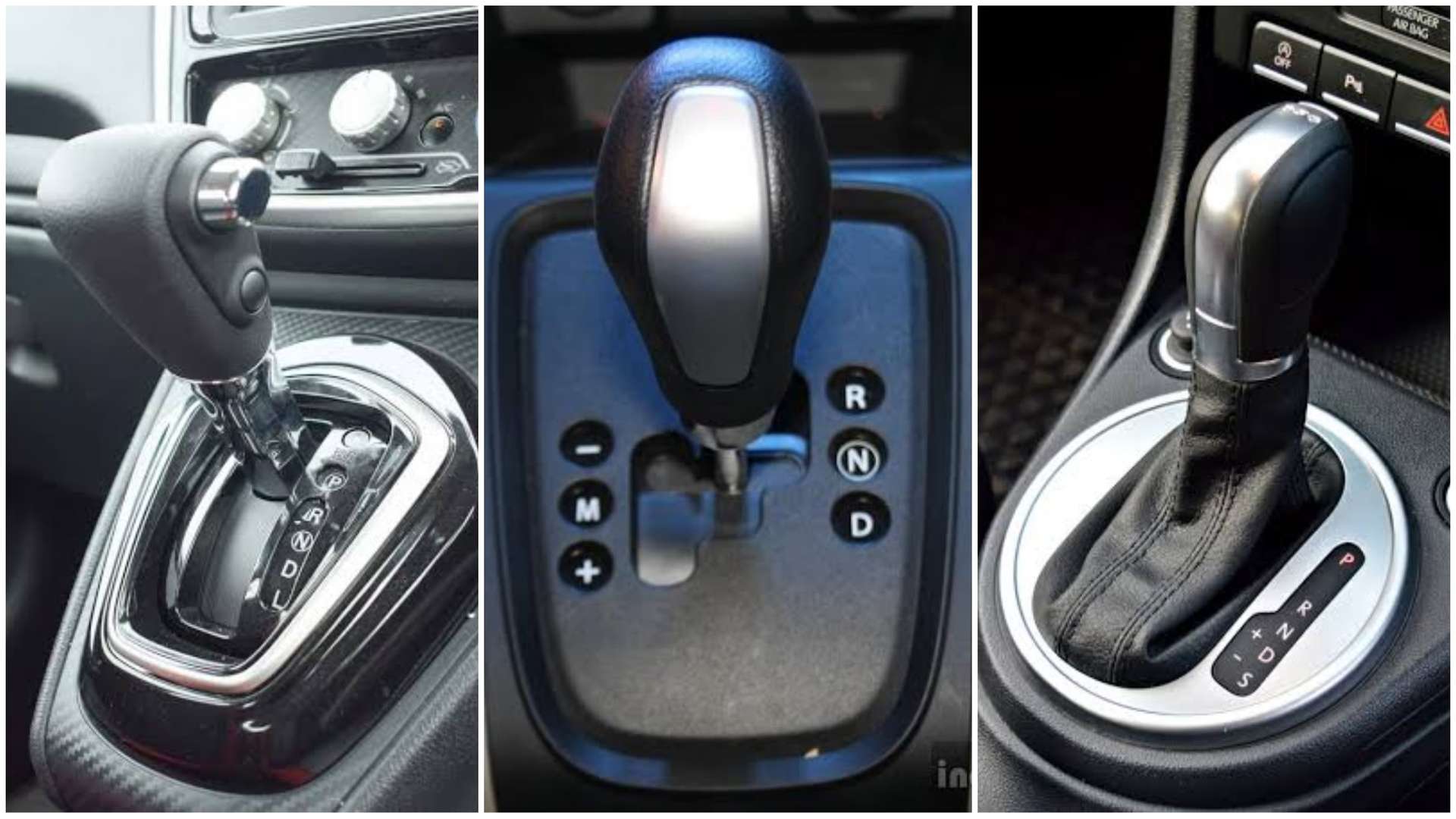
In India, automatic cars are no longer seen as a luxury; they have become a practical necessity. Rising traffic congestion, longer commuting hours, and the need for relaxed driving have pushed many buyers towards automatic transmissions. What was once limited to premium vehicles is now widely available, even in entry-level hatchbacks. So, which automatic transmission is truly best suited for Indian roads, traffic conditions, fuel efficiency expectations, and long-term ownership costs? Let’s break it down honestly and transparently.
Why Choosing the Right Automatic Transmission Matters in India
Indian driving conditions are unique and demanding:
Heavy stop-and-go traffic in cities
High sensitivity towards fuel efficiency
Budget-conscious buyers are concerned about maintenance and resale
Mixed usage patterns, city commutes with occasional highway drives
Each type of automatic transmission behaves differently under these conditions. Choosing the wrong one can lead to discomfort, higher expenses, or long-term dissatisfaction. Understanding how AMT, CVT, and DCT perform in real-world Indian scenarios helps you make a smarter and more future-proof decision.
Read More: Skoda Kushaq Facelift unveiled
AMT (Automated Manual Transmission): The Most Affordable Choice

What is AMT?
An Automated Manual Transmission is essentially a manual gearbox where clutch operation and gear shifts are controlled by electronic actuators. Mechanically, it remains very similar to a traditional manual transmission.
Driving Experience
AMT offers the convenience of clutch-free driving at a low cost. However, gear shifts are noticeably slower compared to other automatics. During quick acceleration or overtaking, you may feel a slight pause or jerk as the car changes gears.
Advantages of AMT
Fuel efficiency close to that of manual cars
Low maintenance and repair costs
Simple and proven technology
Disadvantages of AMT
Jerky gear shifts, especially during downshifting
Slower response while accelerating
Not suitable for enthusiastic or aggressive driving
Who Should Choose AMT in India?
AMT is ideal for:
First-time car buyers
Budget-conscious customers
Daily city commuters
Drivers with a relaxed driving style
AMT-equipped cars available in the Indian market include the Maruti Suzuki Alto K10, S-Presso, Wagon R, Swift, Tigor, Nexon, Renault Kwid, Hyundai Grand i10 Nios, and Tata Tiago
CVT (Continuously Variable Transmission): The Smoothest Performer

What is CVT?
Unlike conventional gearboxes, a CVT does not use fixed gears. Instead, it relies on a belt-and-pulley system that continuously adjusts gear ratios, resulting in seamless acceleration.
Driving Experience
CVT offers the smoothest and most comfortable driving experience among all automatic transmissions. Since there are no distinct gear shifts, driving in traffic feels effortless and refined.
However, during hard acceleration, the engine may rev higher before speed builds up, a behavior known as the rubber-band effect.
Advantages of CVT
Exceptionally smooth and jerk-free driving
Highly comfortable in traffic conditions
Easy to drive, even for beginners
Good fuel efficiency in city usage
Disadvantages of CVT
Lacks sporty or engaging performance
Engine noise at higher revs
Repairs can be costlier than AMT
Read more: Skoda Kodiaq RS Unveiled
Who Should Choose CVT in India?
CVT is best suited for:
Urban drivers
Families and senior citizens
Buyers prioritizing comfort and refinement
Frequent stop-and-go traffic users
CVT automatic cars include popular models such as the Honda Amaze, Maruti Suzuki Baleno, Hyundai i20, Nissan Magnite, Renault Kiger, Toyota Innova Hycross, Toyota Urban Cruiser Hyryder, and MG Hector
Read more: Nissan Gravite 2026 Expected Launch Soon
DCT (Dual Clutch Transmission): Built for Performance

What is DCT?
A Dual Clutch Transmission uses two separate clutches—one for odd gears and one for even gears. This allows the next gear to be pre-selected, enabling extremely fast and seamless gear changes.
Driving Experience
DCT delivers quick acceleration, crisp gear shifts, and an engaging driving experience. It performs exceptionally well on highways and during spirited driving.
However, in slow-moving traffic, especially in hot Indian conditions, some DCTs may feel jerky or suffer from overheating.
Advantages of DCT
Fastest gear shifts among automatics
Excellent acceleration and performance
Smooth at high speeds
Ideal for highway driving
Disadvantages of DCT
Most expensive automatic transmission
High maintenance and repair costs
Less reliable in heavy traffic
Long-term durability concerns in Indian conditions
Who Should Choose DCT in India?
DCT is suitable for:
Driving enthusiasts
Highway-focused users
Buyers of premium or luxury cars
Performance-oriented drivers
DCT transmission options in India are offered in performance-oriented models like the Tata Altroz DCT, Tata Nexon DCT, Hyundai Venue, Kia Sonet, and select variants of the Hyundai i20.
Verdict
There is no one-size-fits-all answer. The best automatic transmission depends on your budget, driving style, usage pattern, and long-term expectations.
Choose AMT if you want affordability, easy maintenance, and daily city convenience.
Choose CVT if you value smoothness, comfort, and effortless traffic driving.
Choose DCT if performance, quick acceleration, and highway driving excite you.


अपनी परफेक्ट कार खोजें

Budget

Brand

Body Type

Fuel

Mileage

More
नवीनतम कार वीडियो




अन्य कार लेख


Vihan AI - Your Car assistant
Ask me anything about cars, prices, and comparisons.