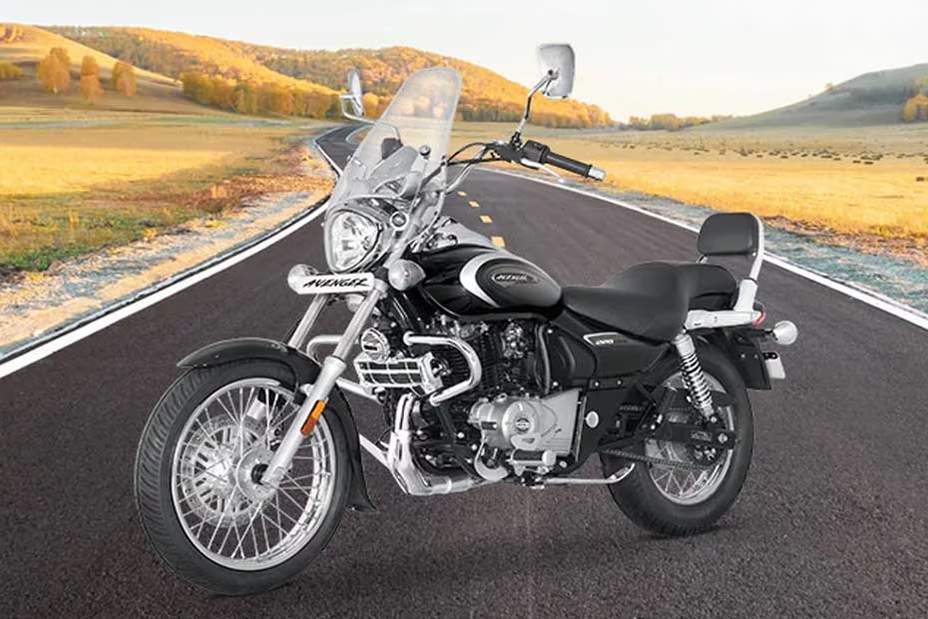
When looking for an affordable, laid-back highway cruiser in India, the Bajaj Avenger Cruise 220 has long been the default choice. However, the sub-2 lakh segment has expanded, forcing the classic Avenger to defend its turf against distinct rivals: its own sibling, the urban-centric Avenger 220 Street, the neo-retro TVS Ronin, and the segment benchmark Royal Enfield Hunter 350.
Here is exactly how the Avenger Cruise 220 stacks up against its core competition.
The Competitive Landscape
To understand where the Avenger Cruise 220 sits, we have to look at the numbers. While it remains the most affordable true low-slung cruiser on the market, its rivals bring modern features and different riding dynamics to the table.
Specification | Bajaj Avenger Cruise 220 | TVS Ronin (Base) | RE Hunter 350 |
Engine Capacity | 220 cc (Oil-cooled) | 225.9 cc (Oil-cooled) | 349 cc (Air-oil cooled) |
Max Power | 19.03 PS @ 8,500 rpm | 20.4 PS @ 7,750 rpm | 20.2 bhp @ 6,100 rpm |
Max Torque | 17.55 Nm @ 7,000 rpm | 19.93 Nm @ 3,750 rpm | 27 Nm @ 4,000 rpm |
Seat Height | 737 mm | 795 mm | 790 mm |
Braking (Safety) | Single-channel ABS | Single or Dual-channel ABS | Single or Dual-channel ABS |
Wheel Type | Spoke (Tube tyres) | Alloy (Tubeless) | Alloy (Tubeless) |
Approx. Price (Ex-sh) | ₹1.37 Lakh | ₹1.29 Lakh onwards | ₹1.50 Lakh onwards |
1. Avenger Cruise 220 vs. Avenger 220 Street: Sibling Rivalry
For riders torn within the Bajaj stable, the choice comes down to aesthetics and daily practicality.
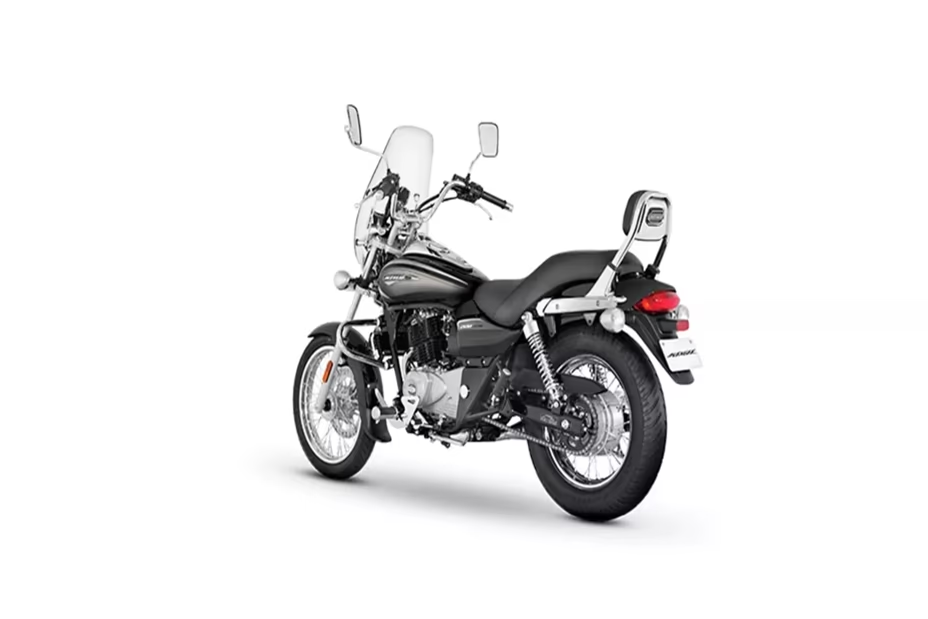
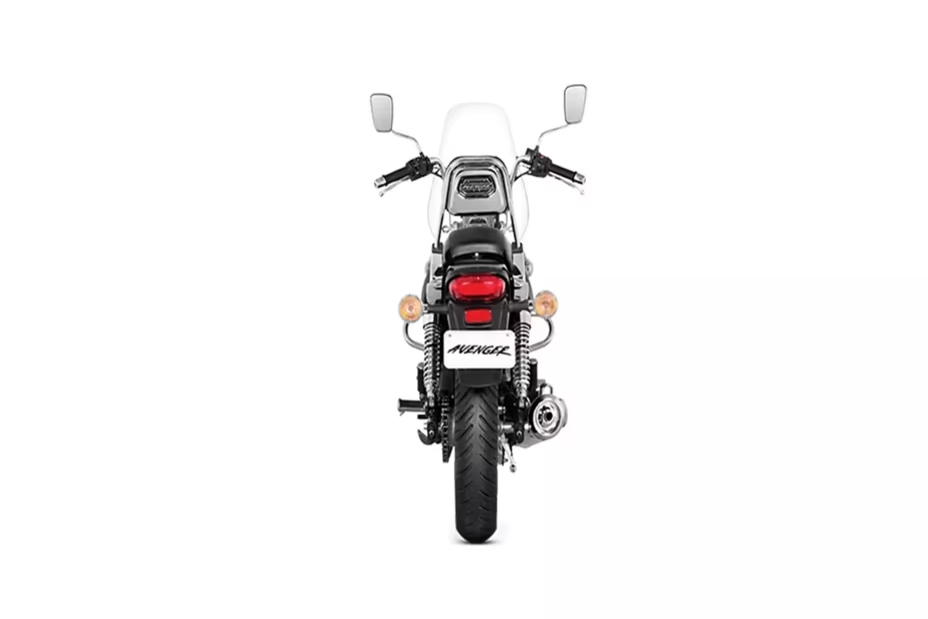
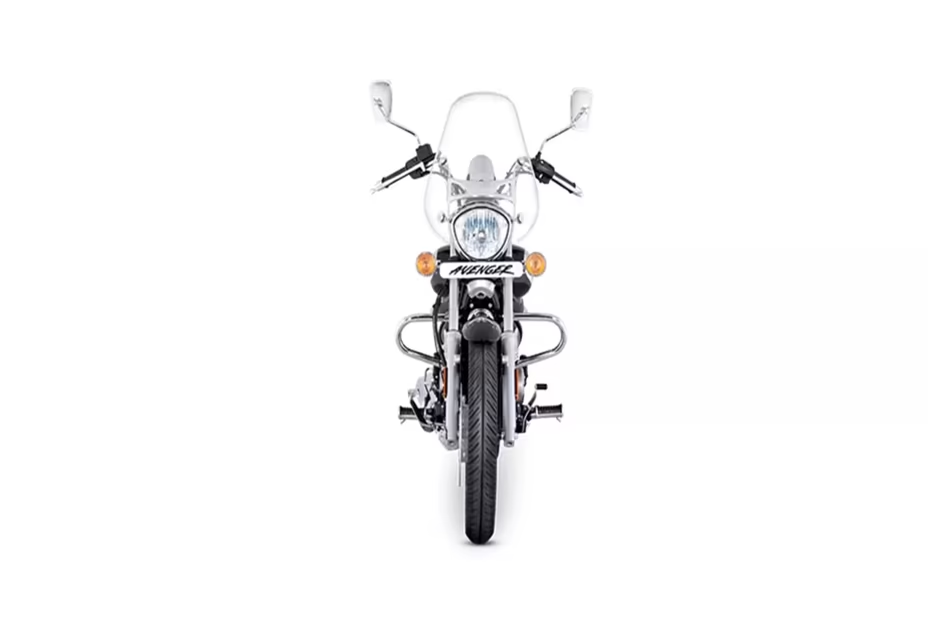
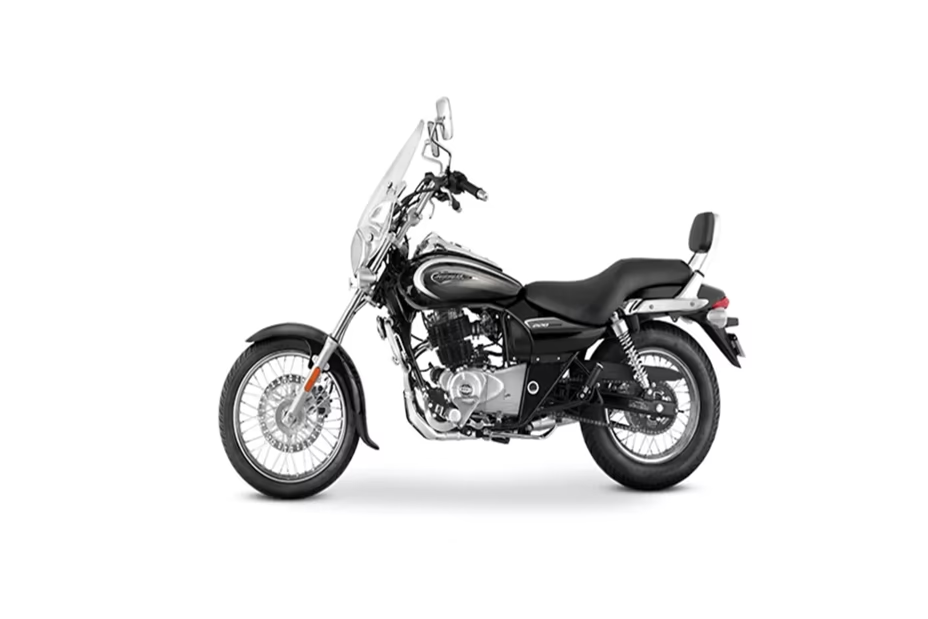
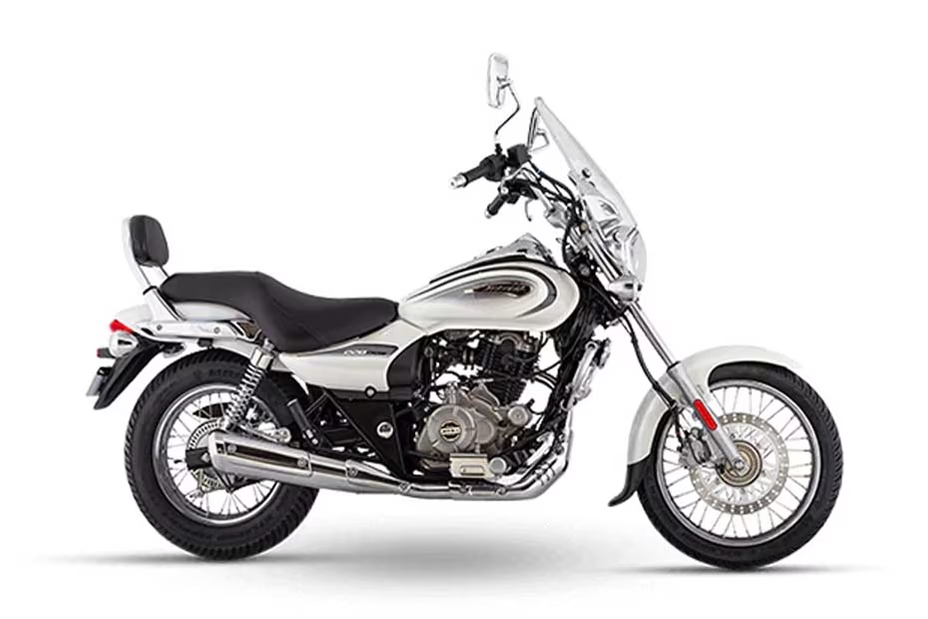
• The Cruise 220 leans heavily into old-school charm with sweeping chrome accents, wire-spoke wheels, a tall highway windshield, and a heavily cushioned pillion backrest.
• The 220 Street, by contrast, features a blacked-out design language, lower handlebars for a slightly more aggressive stance, and alloy wheels with tubeless tyres.
The Takeaway: If you do frequent weekend touring, the added wind protection and backrest of the Cruise are worth it. If your miles are strictly urban, the Street's tubeless tyres offer much better peace of mind against flat tyres.
2. Avenger Cruise 220 vs. TVS Ronin: Classic vs. Modern Tech
The TVS Ronin isn't a traditional cruiser; it's a "scrambler-styled neo-retro" machine, but it competes directly for the same audience. The Ronin makes the Avenger feel dated. It features a highly refined engine with much better low-end pull, a slipper clutch, fully digital Bluetooth-enabled instrumentation, and superior USD (upside-down) front forks.
• The Takeaway: The Avenger wins on pure highway ergonomics—its ultra-low 737 mm seat height and forward-set footpegs offer a feet-forward cruising experience the Ronin cannot replicate. However, the Ronin is far more agile, tech-forward, and better equipped for city commutes.
3. Avenger Cruise 220 vs. Royal Enfield Hunter 350: Character vs. Comfort
The Hunter 350 is the closest competitor by price point from the Royal Enfield family. The Hunter's 349cc engine produces a massive 27 Nm of torque, giving it a heavy, satisfying thump and effortless low-end acceleration that makes the Avenger feel strained when pulling from low speeds.
• The Takeaway: The Hunter 350 is a roadster that handles city traffic beautifully and has massive brand prestige. However, its stiffer rear suspension and upright seating position can feel tiring over long distances. The Avenger Cruise 220 remains the undisputed king of plush, long-distance ride comfort between the two.
Comparison Verdict: The Bajaj Avenger Cruise 220 continues to hold a highly specific advantage. It misses out on modern features—such as smartphone connectivity, LED headlights, and a rear disc brake—and its large turning radius can make tight city U-turns a chore.
However, if your primary goal is an authentic, chrome-heavy cruiser aesthetic, unmatched low-seat accessibility for shorter riders, and a plush, feet-forward highway highway cruiser under ₹1.5 Lakh, nothing else on the market delivers this specific experience for the price.


 ELECTRIC BIKES


 Images
 Colors





 What We Like?
 What could have been better?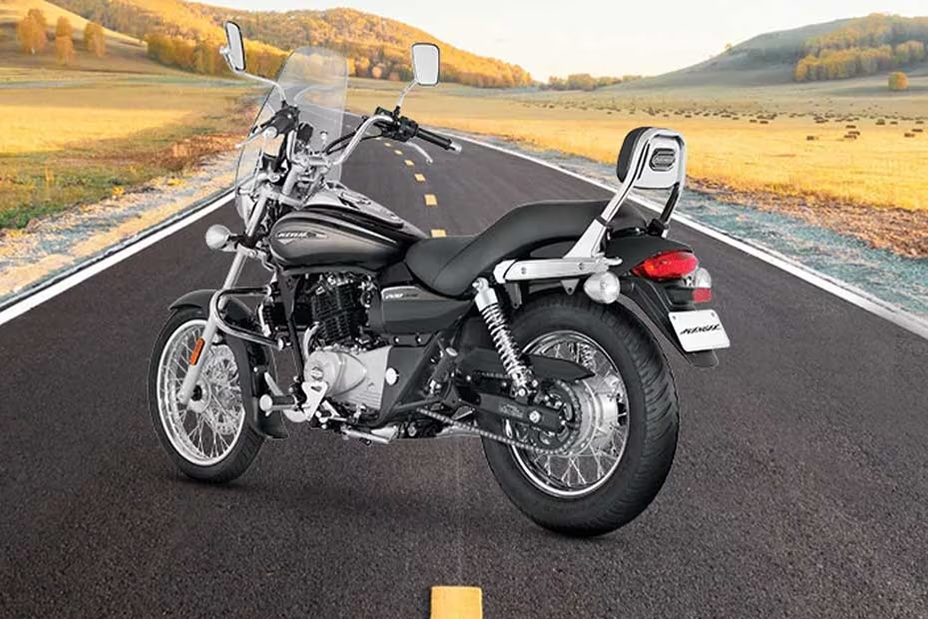


![Triumph Speed 400 [2025]](https://d2gmt21o2zlfc6.cloudfront.net/uploads/b451888d-af6c-4e62-9a62-e45c71ca6fd6-thumbnail-Triumph%20Speed%20400.avif "Triumph Speed 400 [2025]")