

 ELECTRIC BIKES
Electric Bikes
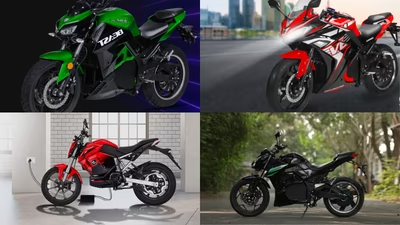
Thinking of switching to an electric bike or scooter? With so many options in the EV space, choosing the right model can feel overwhelming—especially when fuel type and running costs matter the most. To make your decision easier, we’ve compiled a detailed list of the best electric bikes available in India.
These models may not match the outright performance of petrol two-wheelers, but they’re perfect for daily city rides, short commutes and quick errands.
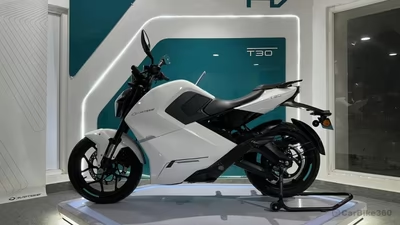
Browse the full lineup with prices, images, colours, reviews, range, charging time, specs and key features, and pick the electric bike that fits your needs.
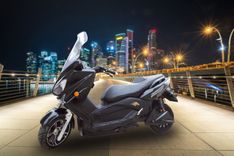
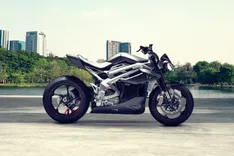
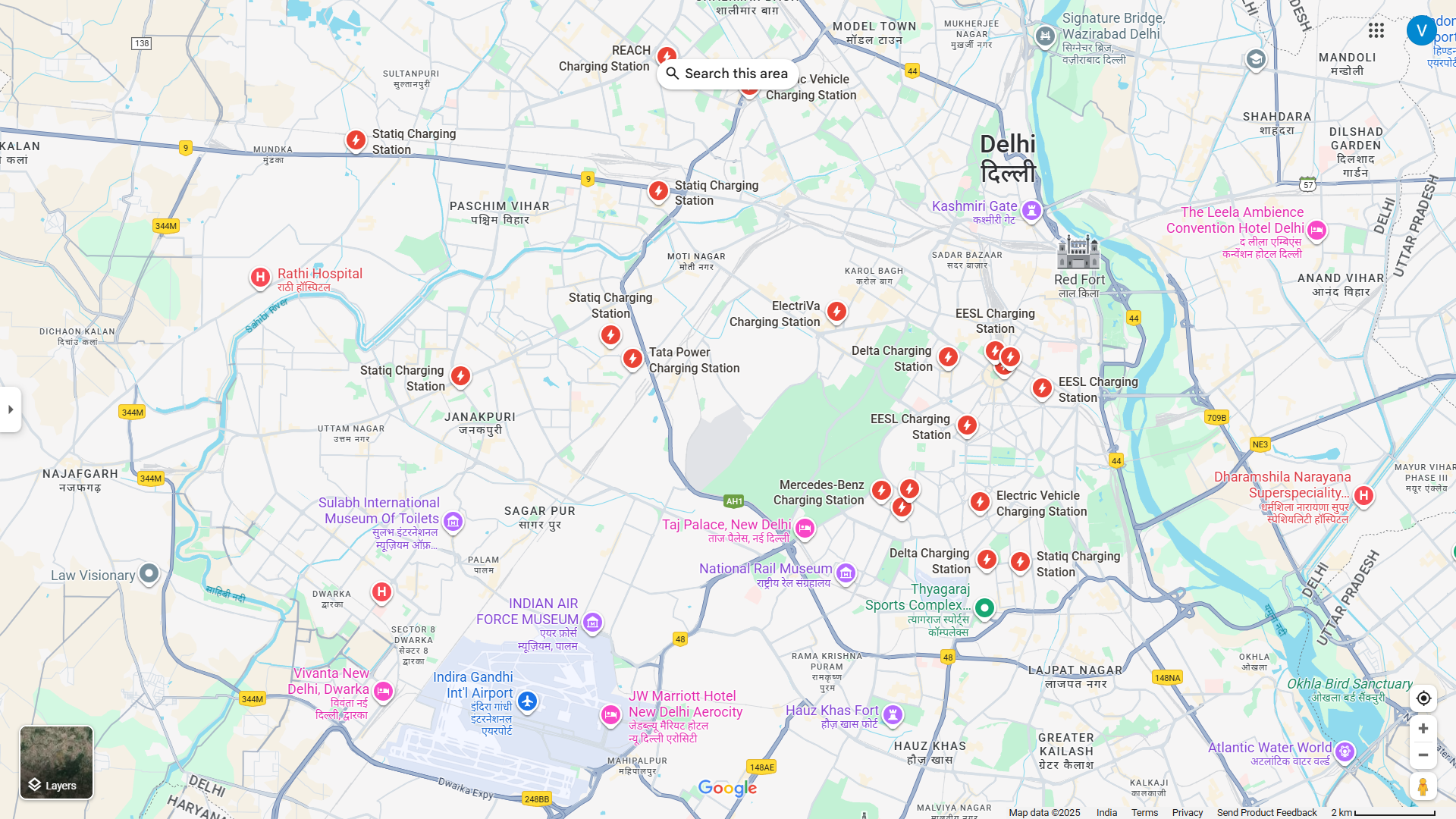
India’s EV market currently offers around 57 electric bikes. At the entry level, the ₹61.50k stands as the most affordable option, while the ₹2.49 Lakh sits at the top end as the country’s costliest electric two-wheeler. The lineup is set to expand further with upcoming models such as the Yamaha Aerox-EKeeway Hypevolt-RAmpere Magnus and Zelio Gracy. You can also check for charging stations available in your city.
Best Electric Bikes in India 2026
| MODEL | Ex-Showroom Price |
|---|---|
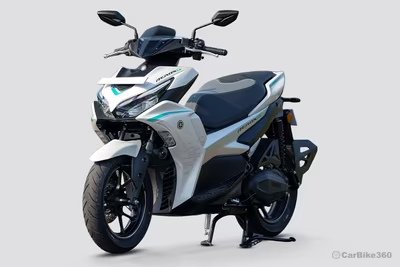
| Yamaha Aerox-E | ₹2.82 Lakh |
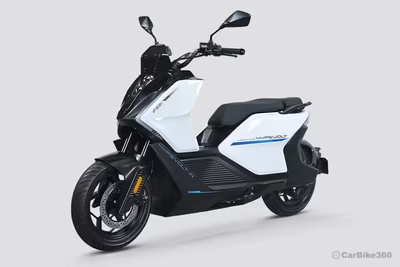
| Keeway Hypevolt-R | ₹1.99 Lakh |
| Ampere Magnus | ₹87k |
| Zelio Gracy | ₹60k |
| Simple Energy Ultra | ₹2.35 Lakh |
| Zelio X Men Plus | ₹60.18k |

Trending Electric Bikes




Is an EV right for you?
Planning to buy or lease an electric vehicle?
Discover all the key facts you need.

Latest Electric Bikes


Popular Electric Bikes Comparisons
Compare Yourself


Upcoming Electric Bikes


 Notify Me on Launch




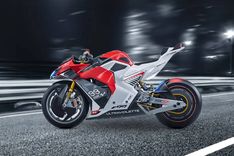
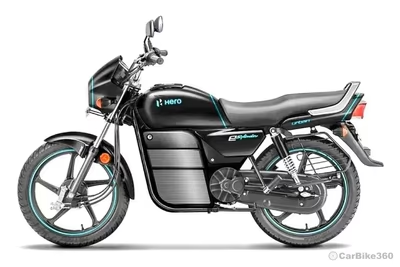
Compare EV Ranges
See how different electric bikes could work with your driving habits.
EV Pros & Cons
Pros
 Massive Fuel Cost Reductions
Ditch petrol pumps and slash your monthly expenses by ₹1,500–₹2,500 for 20–40 km city commutes. With electricity rates as low as ₹5–7 per unit, these e-bikes pay for themselves in 2–3 years, a boon for budget-savvy Delhi or Mumbai riders.
 Green Ride with Zero Emissions
Contribute to cleaner air in smog-hit cities like Bengaluru—electric scooters emit nothing from the tailpipe, aligning with India's push for sustainable transport under the FAME-III scheme.
 Effortless Power and Quiet Comfort
Instant torque means zippy acceleration without the engine roar or vibrations of ICE bikes, perfect for weaving through chaotic traffic while keeping noise pollution at bay.
 Low Cost of Ownership
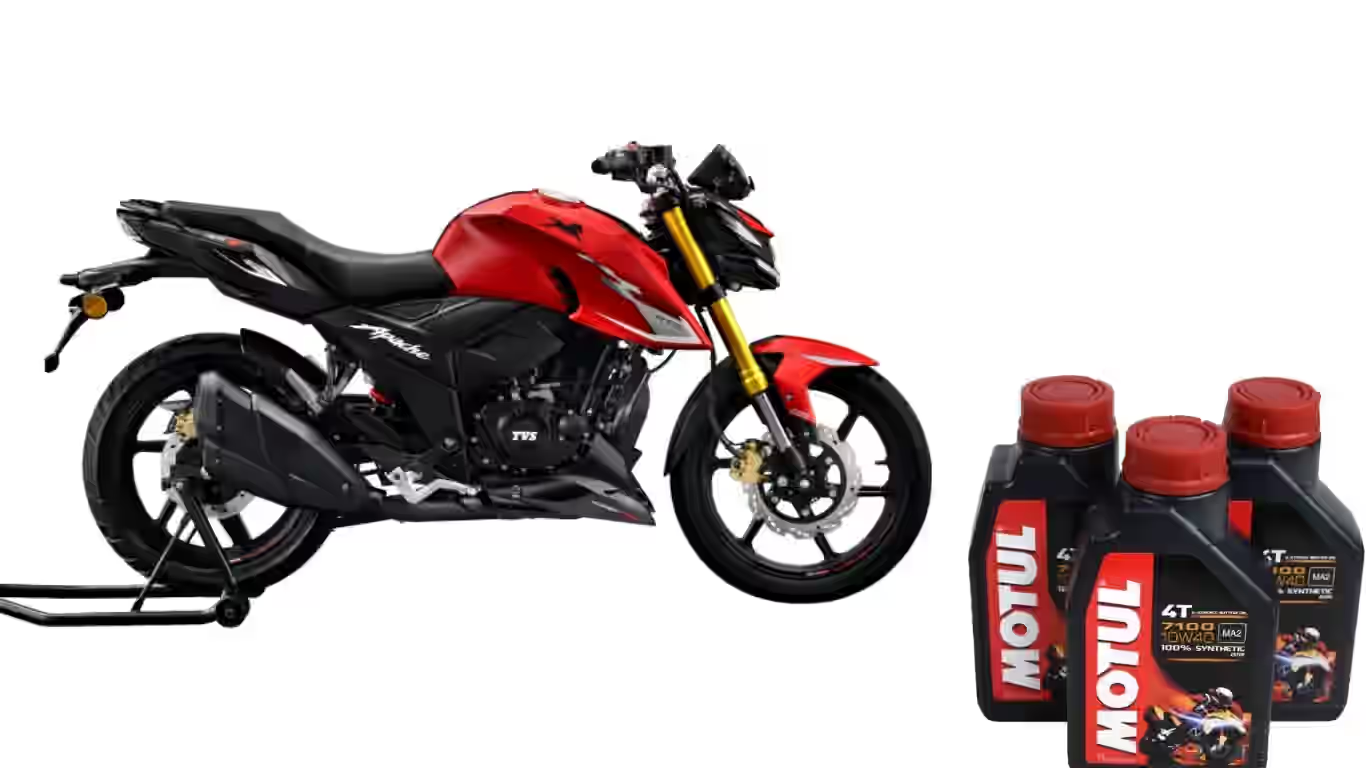
Say goodbye to oil changes and chain adjustments—e-bikes need just basic checks, cutting maintenance costs by up to 60% over five years and freeing your wallet for accessories or upgrades.
 Government Incentives
Governments worldwide are rolling out policies to accelerate electric two-wheeler adoption. In India, schemes like FAME II significantly reduce the effective purchase cost, making EVs far more accessible to buyers.
Cons
 Higher Initial Investment
Entry-level e-scooters start at ₹80,000–₹1.2 lakh post-subsidy, often 25% pricier than comparable petrol options like the Honda Activa— a tough pill for price-sensitive buyers in Tier-2 towns.
 Charging Infrastructure Gaps
Limited public stations beyond metros lead to range anxiety on highways; home charging takes 3–5 hours, and without widespread fast-chargers, weekend trips to Jaipur from NCR feel risky.
 Battery Longevity and Replacement Costs
Expect 70–80% capacity retention after 3–4 years, but swapping a degraded pack runs ₹40,000–₹60,000, denting resale values by 15–25% compared to traditional bikes.
 Service Network Challenges
While brands like TVS iQube expand, inconsistent after-sales support in smaller cities can mean longer wait times for fixes, eroding trust for long-term ownership in diverse Indian conditions.
Electric Bikes Video
Binge-Worthy Bike Videos for Every Auto Lover
More EV Resources
Expert Curated EV Purchase Guide, to make an informed decision


Electric Bike News

Charging Basics
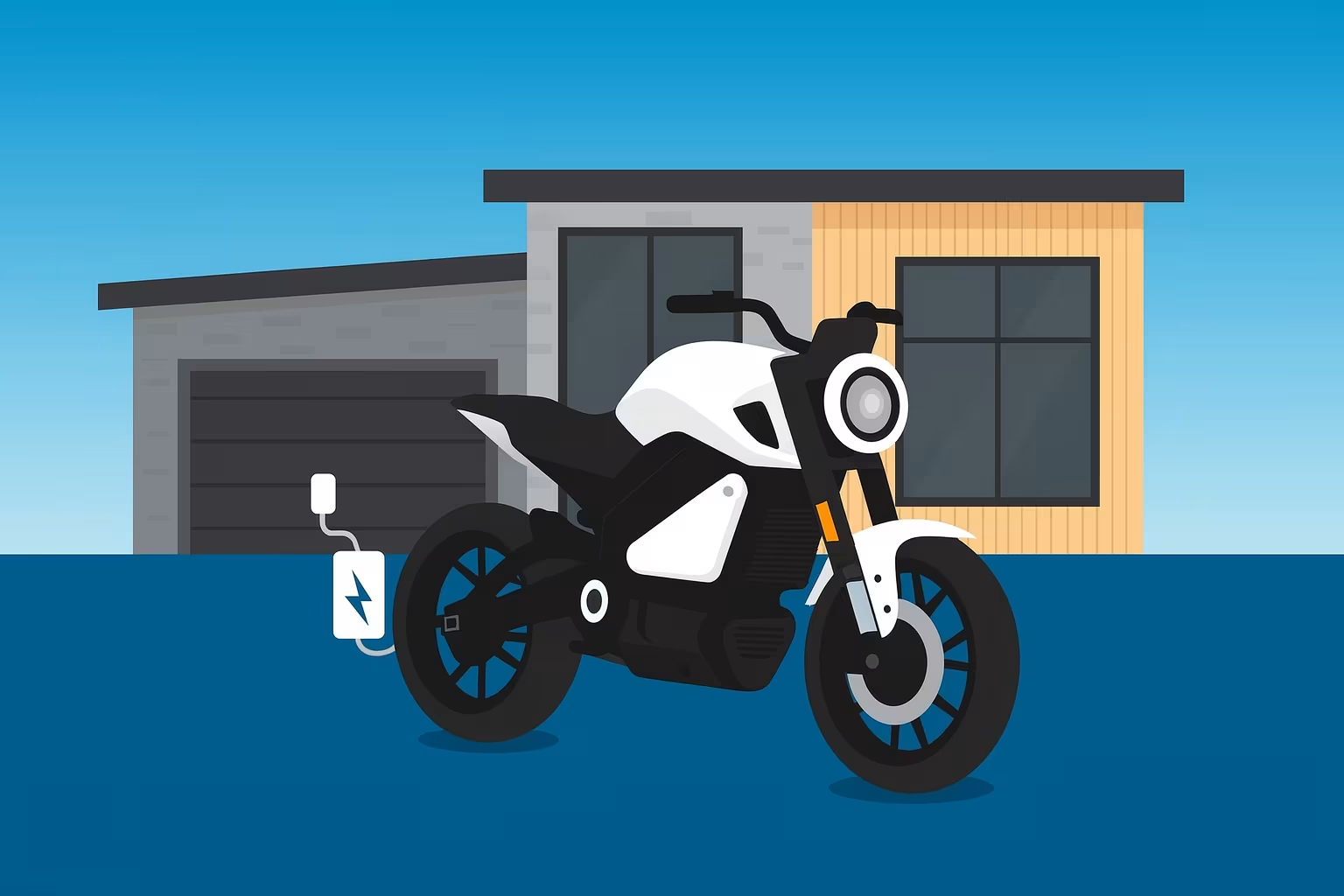
It is a slower, more affordable charging solution, suitable for overnight or long-duration charging needs.
Power Source: AC
Type of Power: ~2.5 kW to 3.3 kW
Connector Type: 15 Ampere 3-Pin Plug
Average Charging Time: 4-6 hours
Usage At: Resident
EV Charging Station












Best Electric Bikes in India 2026: A Complete Buyer's Guide
How to Pick the Right Electric Bike in India
The buzz around electric two-wheelers has exploded, with sales hitting new highs in 2026 thanks to better batteries and government incentives. But with so many choices flooding the market—from budget scooters to high-performance models—picking one feels overwhelming. The key? Do your homework. Focus on your needs: city zips or weekend trips? Solo rides or family hauls? A bit of online research and test rides will cut through the noise and land you a bike that fits like a glove.
Understanding Electric Bike Types
Not all electric bikes are built the same. Knowing the motor styles helps match one to your riding style—whether you're tackling flat roads or steep inclines. Here's a quick breakdown of the two main categories:
-
Hub Motor Electric Bikes:
The motor sits right inside the wheel hub, delivering power straight to the tire. It's simple, lightweight, and great for smooth urban paths. Pros include low cost and quiet operation, but it shines less on hilly routes since it doesn't tap into bike gears.
-
Mid-Drive Electric Bikes:
Here, the motor mounts near the pedals, between the wheels, and links to the chain for even power spread. This setup uses your bike's gears for better hill-climbing and efficiency, making it ideal for varied Indian terrains. The downside? It's pricier and may need more upkeep due to the drivetrain involvement.
Top Electric Bikes to Watch in India 2026
India's EV scene is thriving, with homegrown brands leading the charge. From zippy scooters to rugged commuters, these standouts blend range, features, and value. Based on 2025 sales and reviews, here are seven crowd-pleasers (prices ex-showroom, Delhi):
- OPG Mobility Ferrato Disruptor ₹1.55 Lakh, Up to 109 Km range
- Ultraviolette F77 Mach 2 ₹2.99 - 3.99 Lakh, Up to 323 Km range
- Orxa Energies Mantis ₹3.60 Lakh, Up to 221 Km range
- Joy e-bike Beast ₹2.42 Lakh, Up to 110 Km range
- Joy e-bike Hurricane ₹2.33 Lakh, Up to 80 Km range
- Joy e-bike Thunderbolt ₹2.33 Lakh, Up to 110 Km range
Key Factors to Consider Before Buying an Electric Bike
Jumping into an electric bike purchase? Smart move. But don't rush—factor in these essentials to avoid regrets. We'll start with the basics and build from there.
Overall Cost Breakdown
Price is king, but look beyond the sticker. Mid-range models hover at ₹80,000–₹1.50 Lakh ex-showroom in 2025, down from last year thanks to subsidies like EMPS. Add-ons like RTO fees (₹5,000–10,000), insurance (₹3,000–6,000 yearly), and fast-charger kits can bump totals by 10–15%. Set a full budget upfront—aim for ₹1–1.5 Lakh all-in for a solid starter. Pro tip: Check FAME-III rebates for extra savings on certified models.
Real-World Riding Range
How far can it go on one charge? This decides if it's a daily warrior or trip-killer. Entry-level bikes manage 50–80 km, fine for short errands. Mid-tier options hit 100–150 km, suiting most commuters. Premium picks push 200+ km for highway hops. Test via user forums or apps—real range dips 20% in heat or traffic. Match it to your routine: 50 km daily? Go basic. Weekend warrior? Opt for bigger batteries.
Charging Time and Infrastructure
No more fuel stops, but plugs matter. Home charging takes 4–6 hours overnight; public stations (growing in metros) cut it to 1–2 hours. Brands like Ola offer swap networks for zero wait. In smaller towns, plan ahead—range anxiety fades with a garage outlet.
Battery Life and Warranty
Batteries last 3–5 years or 50,000 km before fading. Look for 8-year warranties from trusted names like TVS or Ather. Replacement? ₹40,000–60,000, so prioritize lithium-ion packs for longevity.
Ready to electrify your rides? Find out your Electric Bike on CarBike360.