ELECTRIC
Essential Car Insurance Checklist Before Taking Delivery of a New Car
 Add CarBike360 on Google
Before taking delivery of a new car, reviewing key insurance aspects such as coverage, add-ons, IDV, and claim settlement ratio is essential. A thorough checklist helps ensure financial protection and efficient claims for new car owners.

Apr 27, 2026 12:01 pm IST

Before driving your new car home, securing the right insurance policy is crucial. A comprehensive car insurance checklist ensures you review key aspects such as coverage, policy type, and insurer reliability. This process helps you make an informed decision and protects you from unexpected expenses.
Key Highlights
- Comprehensive insurance covers own damage and third-party liabilities for new cars
- Add-on covers like zero depreciation and engine protection enhance policy benefits
- Insured Declared Value should match the car’s current market value for total loss claims
- No Claim Bonus helps reduce premiums and can be transferred between insurers
- A wide network of garages and high claim settlement ratio ensure efficient repairs and claims
Key Car Insurance Options
Comprehensive car insurance covers damage to your vehicle and third-party liabilities. It also includes protection against accidents, theft, and natural disasters. Most comprehensive policies come with personal accident cover, offering broad security for new car owners.
Third-party insurance is mandatory under the Motor Vehicles Act, 1988. This policy only covers liabilities from injury, death, or property damage caused to others. It does not cover damage to your own vehicle, which limits your protection.
Important Policy Features
Add-On Covers
Add-on covers enhance your policy beyond the standard plan. A zero depreciation add-on prevents deductions on claim amounts due to the ageing of parts. Other options, such as engine protection and consumables cover, provide extra security for components and expenses not included in basic policies. While these add-ons may increase your premium, they improve financial protection.
Insured Declared Value (IDV)
The Insured Declared Value (IDV) is the amount your insurer pays if your car is stolen or suffers total loss. It is not the same as the resale price. Insurers may quote different IDVs, so assess your car’s market value and select a policy with an IDV close to it. This ensures you receive an appropriate payout in case of total loss.
No Claim Bonus (NCB)
No Claim Bonus (NCB) rewards you for not making any claims during the policy period. This bonus helps reduce your premium over time. Choose an insurer that allows you to retain this benefit even if you switch providers. Also, check if the NCB can be transferred when you sell your car.
Network Garages and Claim Settlement
A wide network of authorised garages allows convenient access to cashless repairs. This reduces downtime and expenses during emergencies. If you use a garage outside the network, you may need to pay upfront and claim reimbursement later. The insurer will assess your claim before settling the amount. Select an insurer with a strong claim settlement ratio for efficient claim processing.
Conclusion
Reviewing all essential aspects of car insurance before taking delivery of your new car is vital. Consider coverage, add-ons, IDV, NCB, and claim reliability. This careful evaluation helps you save money and protects you from unexpected financial stress.


You May Like


Find your perfect car

Budget

Brand

Body Type

Fuel

Mileage

More
Latest Car Videos


Top Auto News of the Week: Tata Sierra EV, BMW X6, E85 Fuel & More - Weekly Wrap

Top Auto News of the Week | Hyundai i20 Leak, Honda ZR-V, Tata Sierra EV, Skoda EV & More!
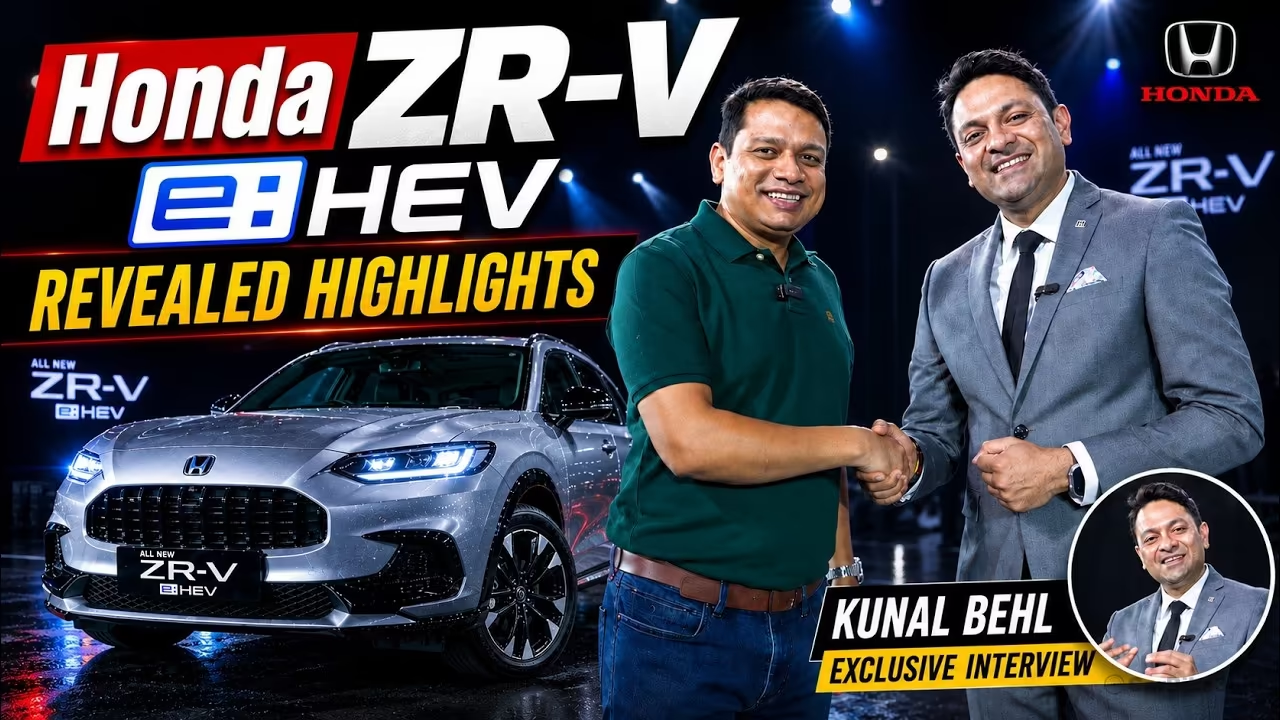
Talking about new Honda City and upcoming ZR-V SUV with Honda India’s Kunal Bahl!
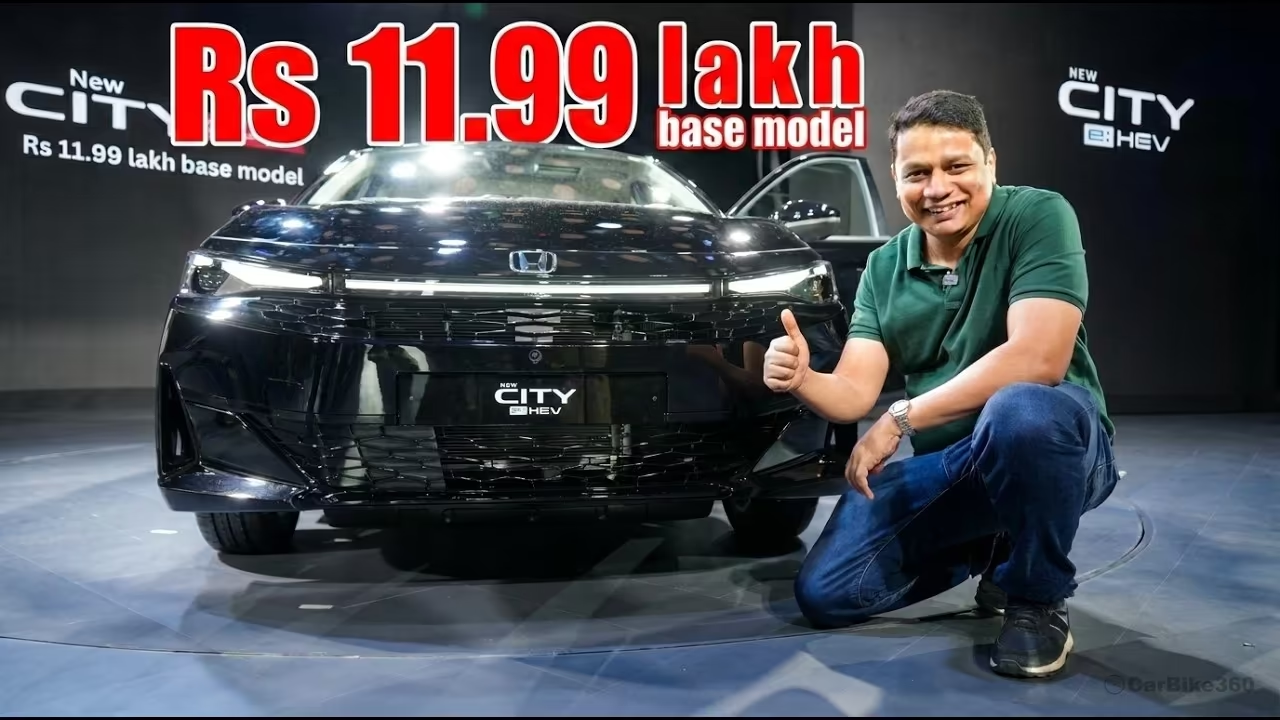
2026 Honda City Launched in India - Better than VW Virtus, Hyundai Verna & Skoda Slavia?
Other Car News

Listen to Car Audios