

 ELECTRIC
Hyundai Subsidiary Supernal Unveiled Flying Car Concept: Could Fly U.S. Sky by 2028
 Add CarBike360 on Google
Hyundai subsidiary unveils eVTOL Flying car. The butterfly-inspired eVTOL Vehicle Cabin idea can cocoon up to five passengers and flies like a bird.

Mar 27, 2023 10:08 pm IST
Published On
Jul 20, 2022 01:40 pm IST
Last Updated On
Mar 27, 2023 10:08 pm IST
Hyundai subsidiary unveils eVTOL Flying car. The butterfly-inspired eVTOL Vehicle Cabin idea can cocoon up to five passengers and flies like a bird.
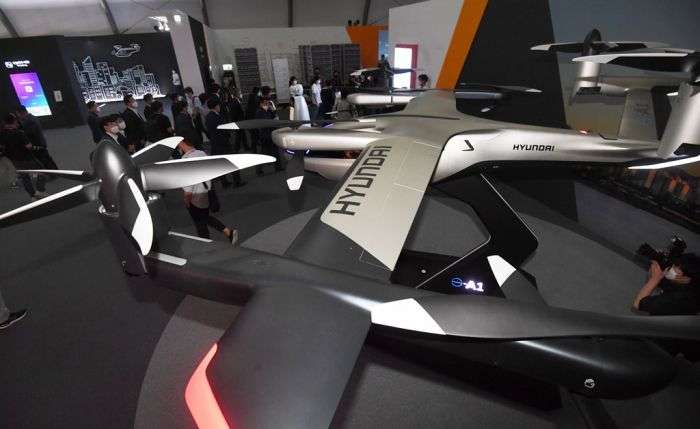
Supernal, a division of Hyundai, has unveiled its eVTOL Vehicle Cabin concept, which shows the interior of a flying shuttle's passenger cabin.
The entertainment and lighting systems used in the car industry served as design cues for the eVTOL's interior, which also used eco-friendly materials.
Supernal expects to launch its flying pod in the United States by 2028. Meanwhile, a different Hyundai subsidiary is developing a longer-range hydrogen-powered shuttle.
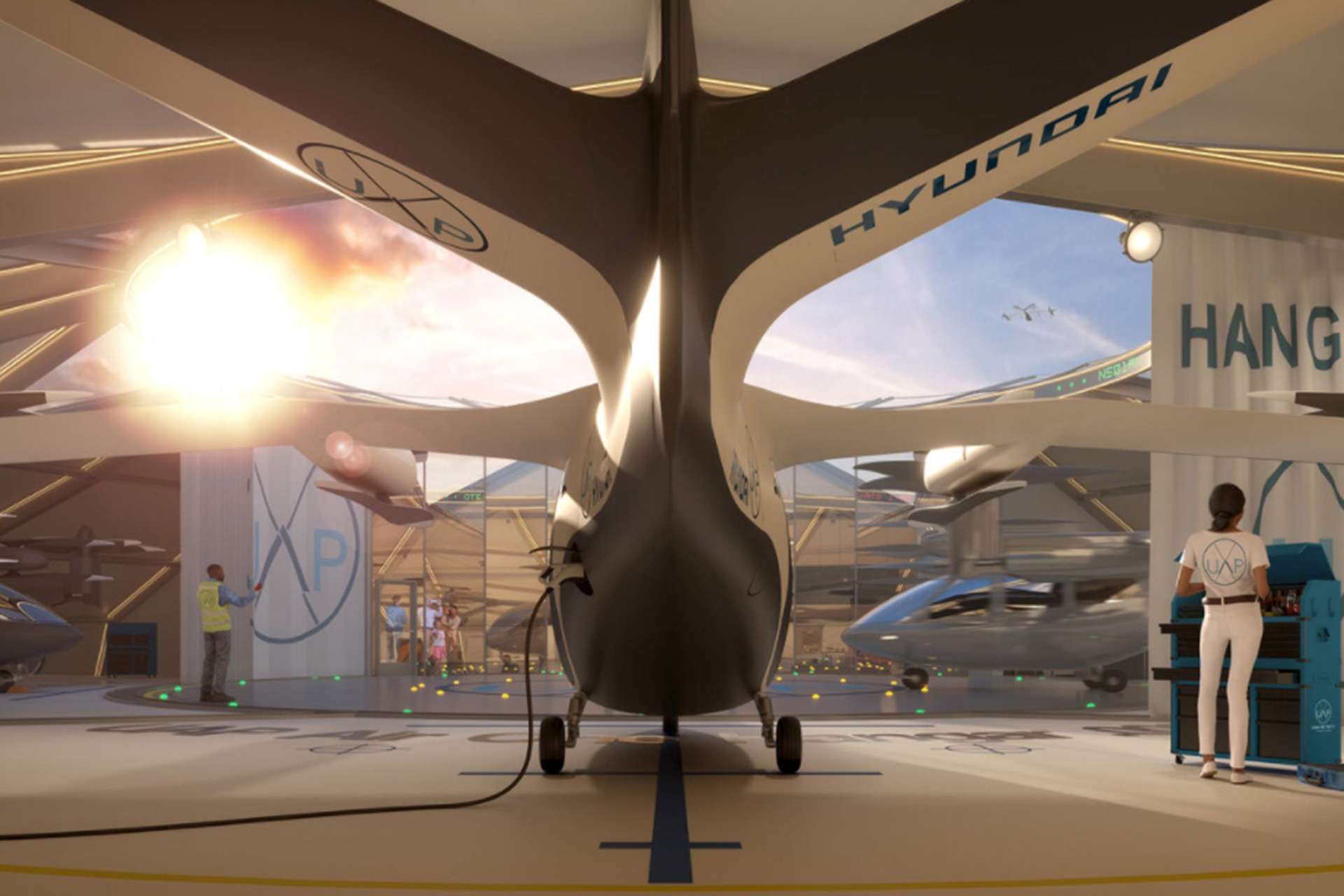
Since the 1970s, flying automobiles have been hailed as the wave of the future, but despite numerous companies claiming to have debunked the secret, they have only ever produced a few functional prototypes. Independent entrepreneurs like Terrafugia and PAL-V are now up against new competition from industry behemoths like Uber and Airbus in the quest to find a solution to the flying car dilemma.
In order to concentrate on the so-called "Advanced Air Mobility market," Hyundai established a U.S.-based company called Supernal in November as part of its significant investment in the emerging sector. At the Farnborough International Airshow in England, Supernal has now shown its eVTOL Vehicle Cabin idea, showcasing a possible design for the passenger area of its planned intra-city air shuttle.
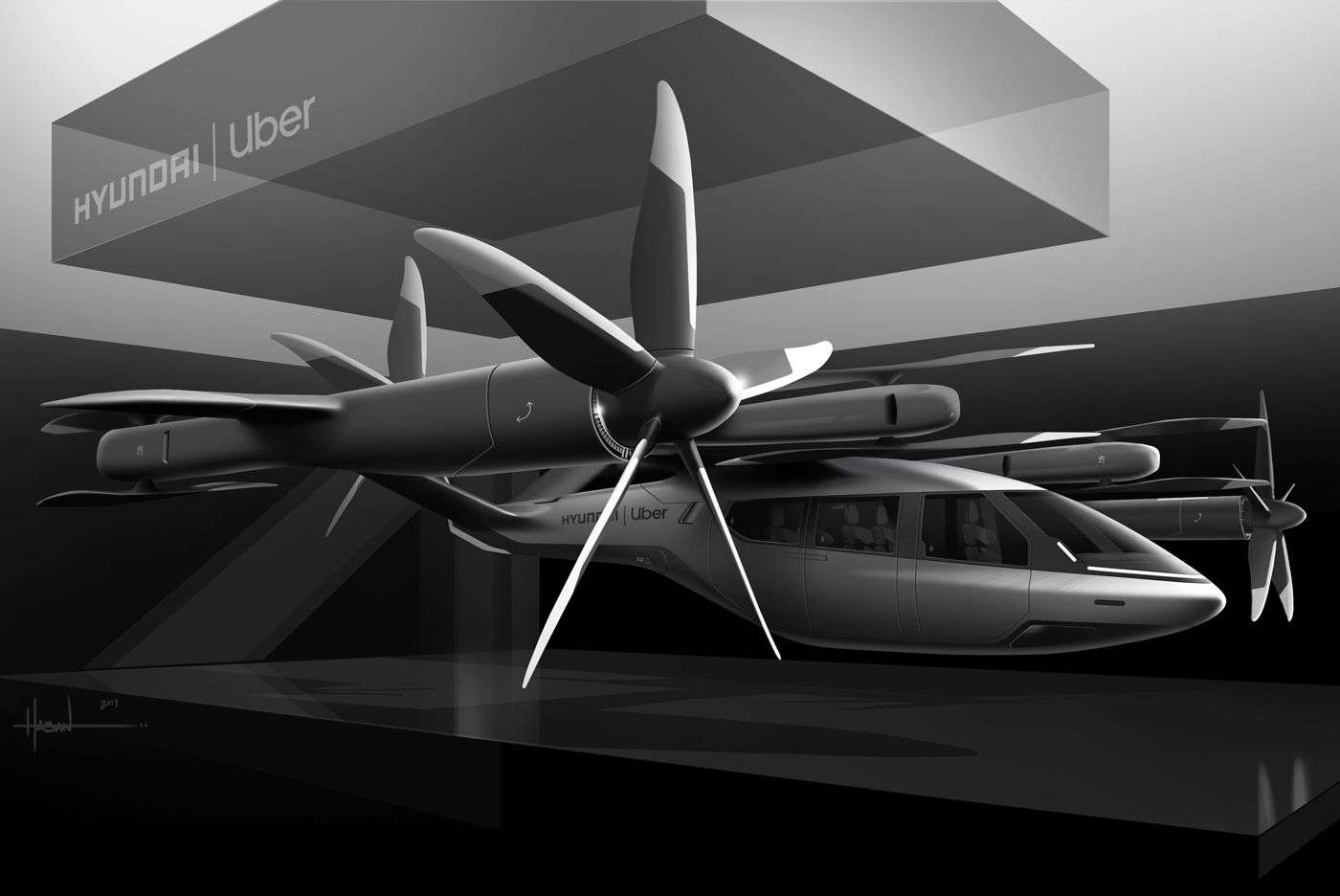
For the development of its eVTOL cabin idea, Supernal collaborated with Hyundai's studios to draw influence from automobile design. Five people can fit within the pod, which has a lightweight carbon fiber frame. A deployable control center modeled after the center consoles found in automobiles is a part of each "ergonomically shaped" seat.
A charging station and a little storage space are provided for each passenger. The lighting changes throughout the course of the journey and resembles the sunroof on a car. Grab grips on the doors and seat backs of the eVTOL make getting in and out of the vehicle simpler. Supernal also emphasizes the environmentally friendly architecture of the eVTOL idea, which features interior components made of bio-based leather, reinforced thermoplastic, recyclable carbon fiber, and recycled plastic cloth.
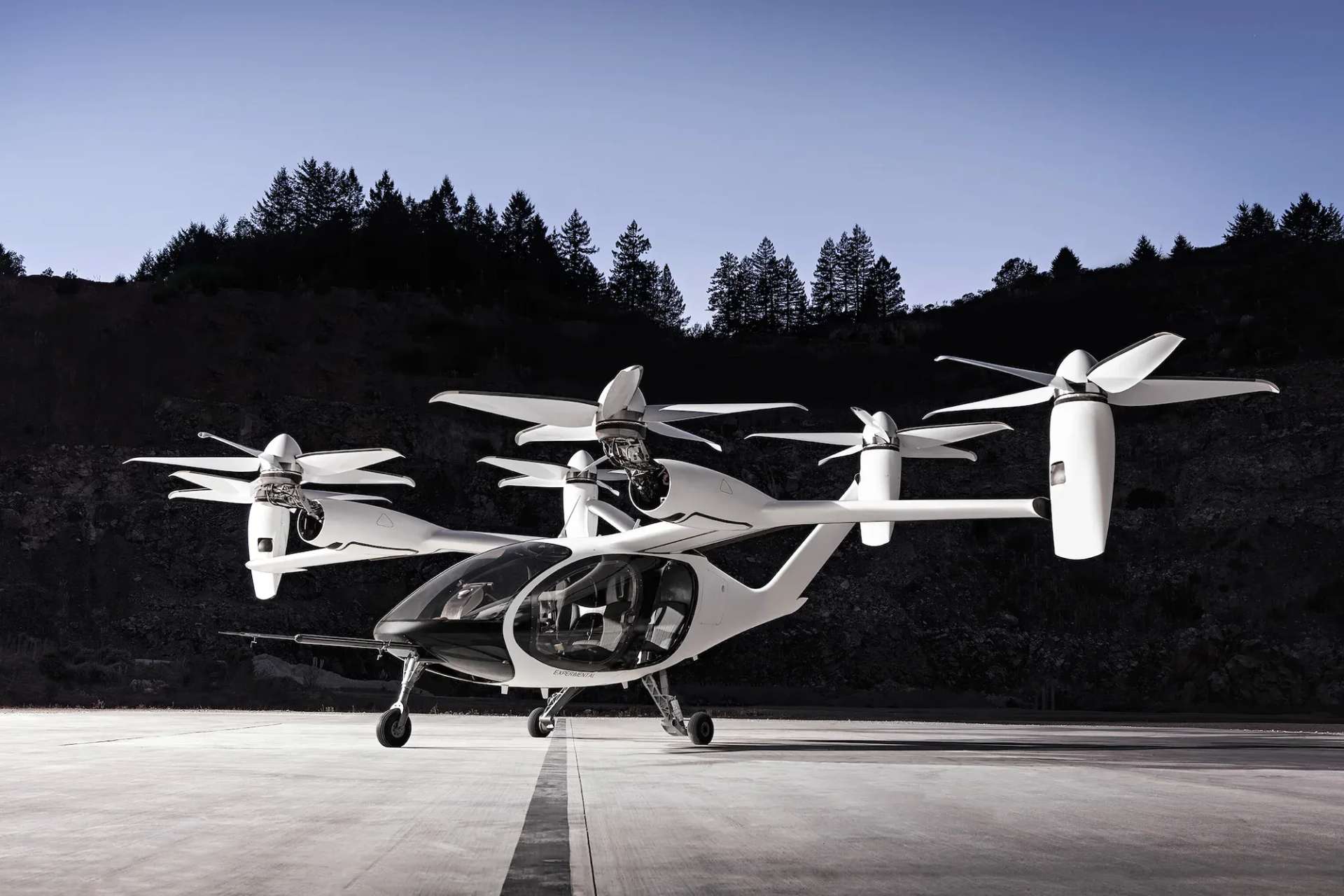
According to Supernal, the eVTOL is being certified for commercial usage in the United States to begin in 2028, with intentions to introduce the aircraft in Europe shortly after. The eVTOL from Supernal is just one of a family of electric air vehicles being developed by Hyundai. A mid-sized flying vehicle fuelled by hydrogen is currently being developed by Hyundai's Korean subsidiary for use in intercity shuttle services for both passengers and goods. But that launch isn't anticipated to happen until the 2030s.
We won't be holding our breath, despite the fact that Hyundai undoubtedly has more resources than many of the entrepreneurs that have attempted to commercialize the flying car.


You May Like


Find your perfect car

Budget

Brand

Body Type

Fuel

Mileage

More
Latest Car Videos





Other Car News
Listen to Car Audios


Vihan AI - Your Car assistant
Ask me anything about cars, prices, and comparisons.