ELECTRIC
India’s electric mobility transition policy market trends and regional growth
 Add CarBike360 on Google
A concise look at how policy reforms, rising EV sales, and state-level adoption are accelerating India’s electric mobility journey.

Jul 20, 2026 12:23 pm IST
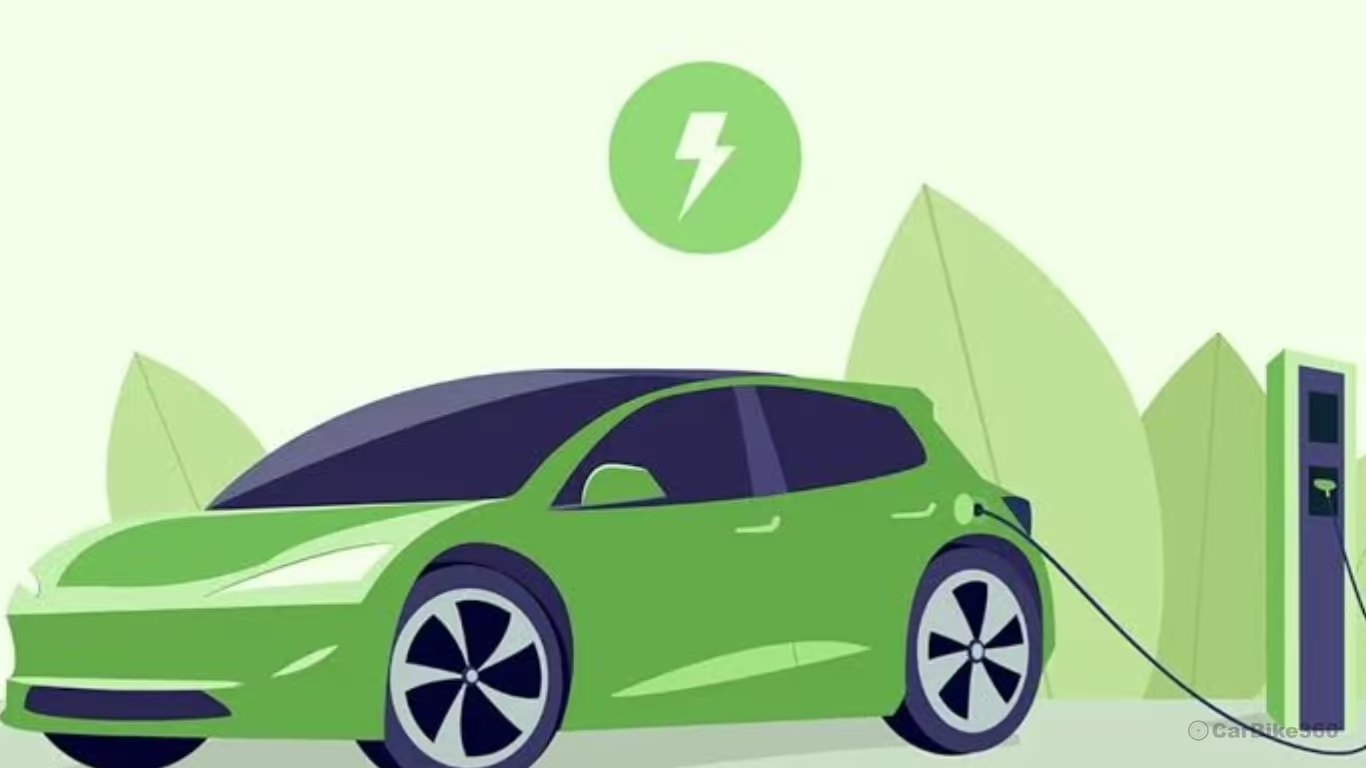
India’s electric mobility sector is entering a crucial stage as policy shifts, infrastructure growth, and increased localisation drive the next phase of adoption. The focus is now on sustained execution, expanding charging networks, and building resilient supply chains, rather than just early adoption.
Key Highlights
- Delhi’s new EV policy shifts focus from subsidies to ecosystem development.
- Western India shows strong electric vehicle market growth in early 2026.
- Tata Motors and Mahindra & Mahindra drive EV adoption and competition.
- Domestic manufacturing investments target battery and component localisation.
- Industry shifts from electrification debate to scaling and supply chain focus.
Policy Shifts and Infrastructure Expansion
Recent changes in government policy, such as Delhi’s new Electric Vehicle Policy, signal a move away from subsidy-driven adoption. The policy now emphasises long-term ecosystem development. Key measures include investments in charging infrastructure, electrification of public transport, and fiscal support for the sector. These initiatives aim to create a stable environment for electric vehicle (EV) growth and may influence similar policies in other states.
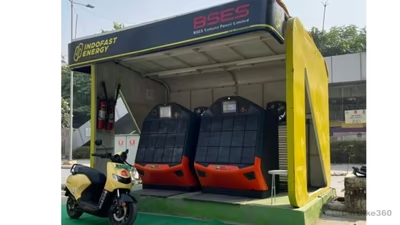
Improved charging access and longer driving ranges have made EVs more attractive, especially as fuel prices rise. The focus on domestic manufacturing of batteries, electronics, and critical components is increasing. This reduces reliance on imports and strengthens supply-chain security, which is vital for the industry’s future.
Market Trends and Regional Dynamics
Western India is emerging as a major growth centre for electric mobility. Dealer-level retail registration data from the Federation of Automobile Dealers Associations (FADA) for the first half of 2026 highlights this trend. The region is seeing strong demand for electric vehicles across multiple segments.
Competition among manufacturers is intensifying. Tata Motors and Mahindra & Mahindra are leading the push for EV adoption. Their efforts are shaping the competitive landscape and influencing market leadership. The magazine reviews June’s retail performance to assess how the balance among top manufacturers is evolving. These trends have direct implications for future investments, localisation strategies, and production capacity.
Supply Chain and Localisation Efforts
Domestic manufacturing is becoming more important as the industry seeks to reduce import dependence. Investments in battery and electronics production are increasing. This move aims to secure supply chains and support large-scale EV adoption. The Chandigarh-based wheel manufacturer is investing Rs 500–600 crore to expand alloy wheel and knuckle capacity at its Bhuj facility. Such investments reflect the broader trend toward localisation in the automotive sector.
Profitability improvements continue for several quarters, supported by volume gains in logistics and manufacturing. Tata Motors Passenger Vehicles South Africa has also confirmed the launch of the Osprey, known internationally as the Nexon, in its market. These developments highlight the growing global and domestic focus on electric mobility.
Industry Outlook
The Indian automotive industry is moving beyond the initial debate over electrification. The current focus is on scaling operations, strengthening supply chains, and supporting sustained growth. As policy incentives evolve and market conditions change, the sector’s ability to adapt will determine its long-term success.
Also Read: Unique global versions of popular Indian cars from Alto works to Swift sport
CarBike 360 Says
India’s electric mobility shift is moving from early adoption to wider scale, backed by stronger policy support, expanding charging infrastructure, and rising consumer acceptance across regions. As sales, investments, and state-level momentum continue to grow, the EV landscape is becoming more competitive and more connected. The next phase will depend on infrastructure depth, affordability, and sustained policy execution.


You May Like



Find your perfect car

Budget

Brand

Body Type

Fuel

Mileage

More
Latest Car Videos



Other Car News
Listen to Car Audios