ELECTRIC
Indian Government Introduced New Regulations For Bharat NCAP 2.0—to Be Implemented in October 2027
 Add CarBike360 on Google
Bharat NCAP 2.0 is set to transform vehicle safety in India from 2027 onwards. The draft policy introduces stricter crash tests, prioritizes pedestrian and motorcyclist safety, and mandates advanced safety features.

Nov 24, 2025 06:41 am IST
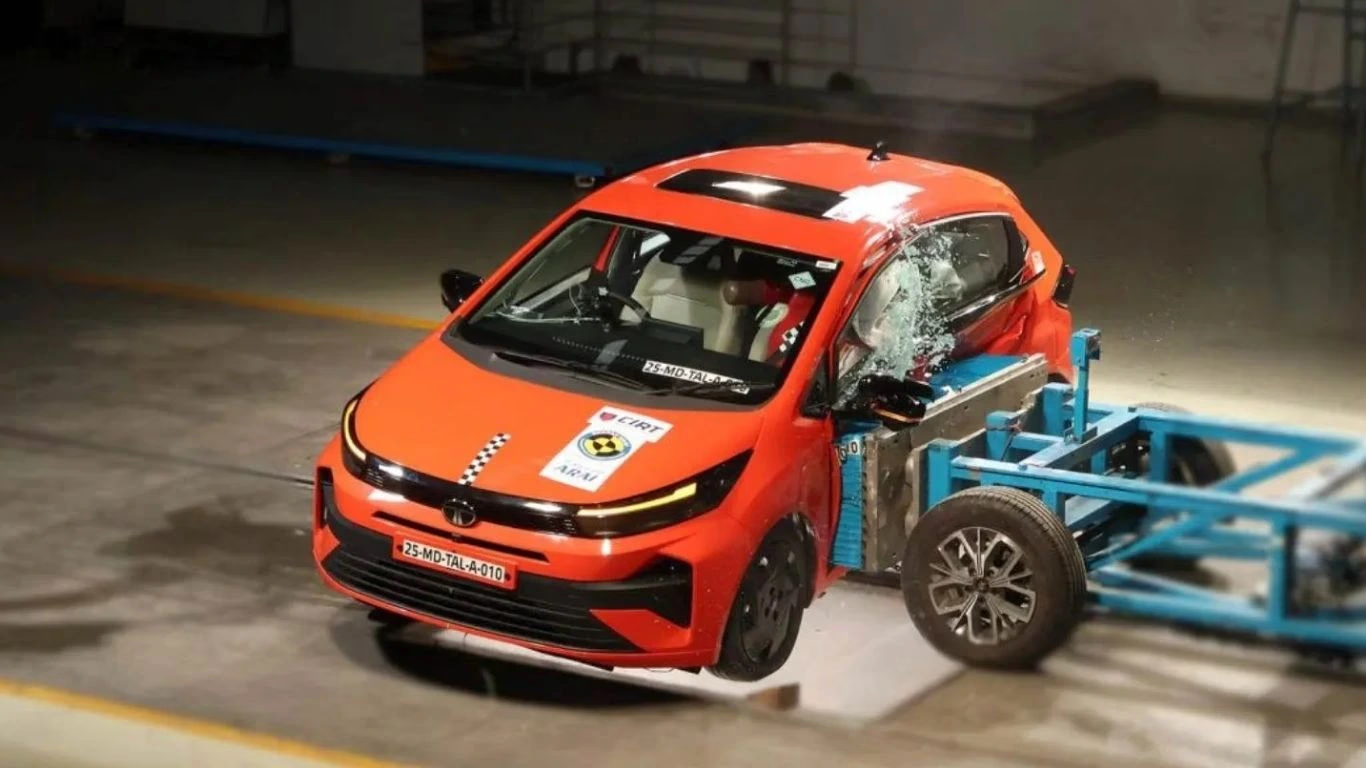
India’s automotive safety landscape is set for a dramatic transformation as the government readies Bharat NCAP 2.0, an upgraded crash test rating protocol to be implemented in October 2027. This move aims to address longstanding issues with vehicle safety on Indian roads, pushing manufacturers and consumers towards more robust protection standards.
The Bharat NCAP 2.0 draft policy introduces an enhanced framework designed to better reflect the realities of Indian road usage, especially for vulnerable users like pedestrians and two-wheeler riders. The policy’s emphasis on expanded testing and stricter requirements signals a new era of accountability for automakers and more reliable information for buyers.
Expanded Safety Assessment Pillars
Bharat NCAP 2.0 replaces the previous adult and child occupant protection focus with a comprehensive five-pillar assessment: Crash Protection (55%), Vulnerable Road User Protection (20%), Safe Driving (10%), Accident Avoidance (10%), and Post-Crash Safety (5%). Each category incorporates both mandatory and optional technologies, with the final star rating based on the total score out of 100 points.
New Rules For Crash Test
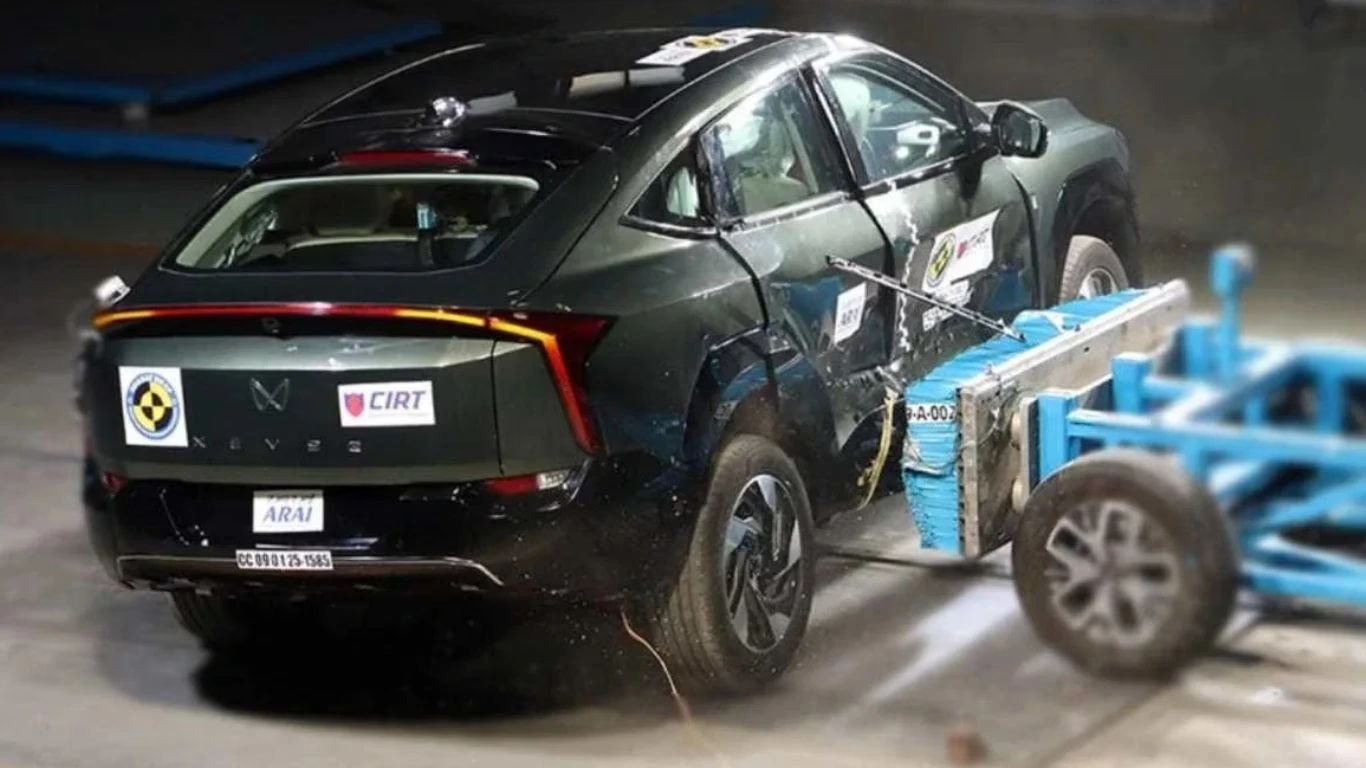
The revised protocol expands mandatory crash tests from three to five:
- 64 km/h offset frontal impact
- 50 km/h full-width frontal impact
- 50 km/h lateral impact with mobile barrier
- 32 km/h oblique side impact with a rigid pole
- 50 km/h rear impact with a mobile rigid barrier
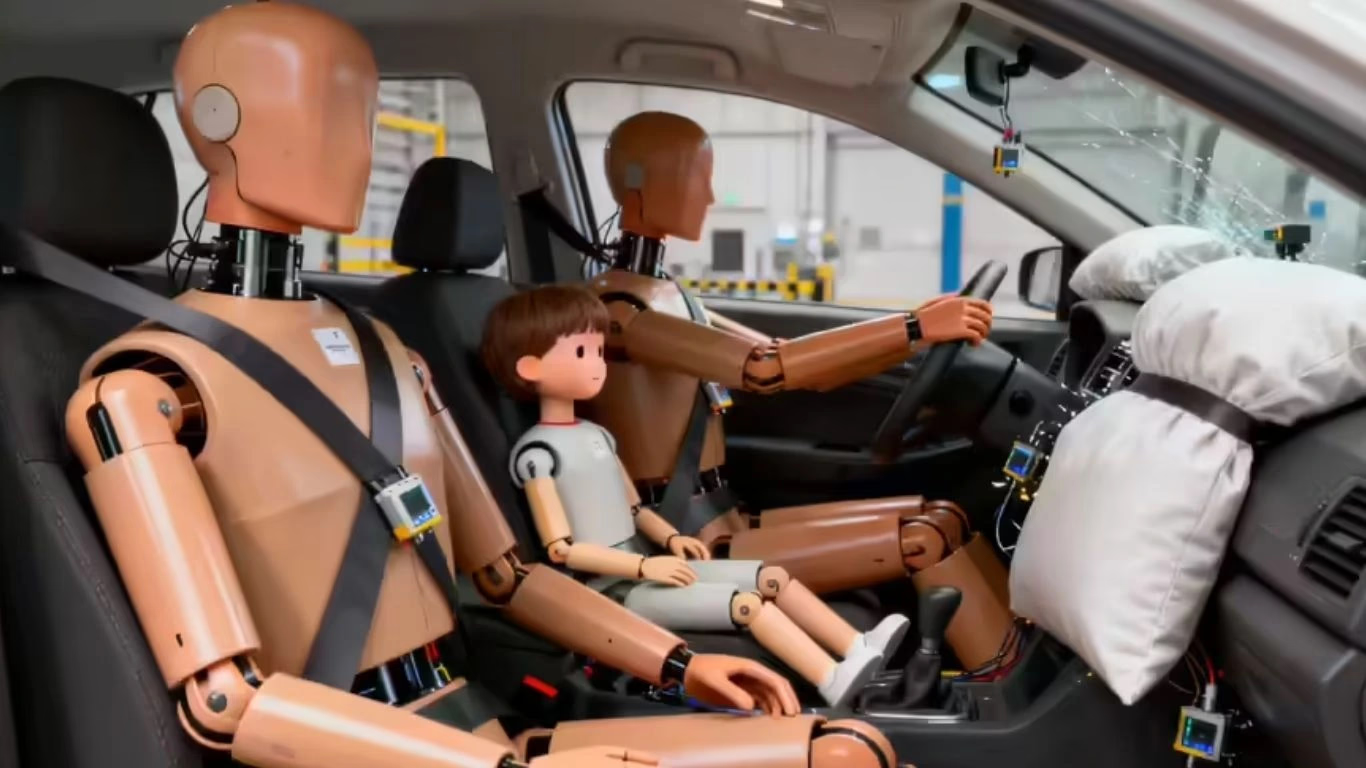
Advanced crash-test dummies, including male and female adults as well as children, will be used to gauge injuries across all seating positions. Head restraints and ISOFIX child seat anchors are now part of the evaluation.
New Regulations For Pedestrians and Motorcyclists
One of the most notable shifts is the weightage for vulnerable road user protection. Vehicles will undergo pedestrian leg, adult, and child headform impact tests, with an overall 20% rating weightage assigned to pedestrian and motorcyclist safety features. Optional assessments for Autonomous Emergency Braking (AEB) further incentivize automakers to prioritize active safety systems.
Mandatory Features
To be eligible for assessment, cars must come with Electronic Stability Control (ESC) and side head curtain airbags as standard. Base variants will be tested, ensuring real-world relevance for buyers. Additional active safety tech, such as seat belt reminders, blind spot detection, driver drowsiness alerts, collision warnings, and lane departure warnings, factor into the scoring, but only five per vehicle may contribute points.
Accident avoidance technologies, including AEB and ESC, account for approximately 10% of the total score. While ESC is mandatory, AEB remains optional but advantageous for ratings.
Post-Crash Safety Gains Prominence
Stricter Star Rating Criteria and Timelines
Conclusion


You May Like


Find your perfect car

Budget

Brand

Body Type

Fuel

Mileage

More
Latest Car Videos


Top Auto News of the Week: Tata Sierra EV, BMW X6, E85 Fuel & More - Weekly Wrap

Top Auto News of the Week | Hyundai i20 Leak, Honda ZR-V, Tata Sierra EV, Skoda EV & More!

Talking about new Honda City and upcoming ZR-V SUV with Honda India’s Kunal Bahl!
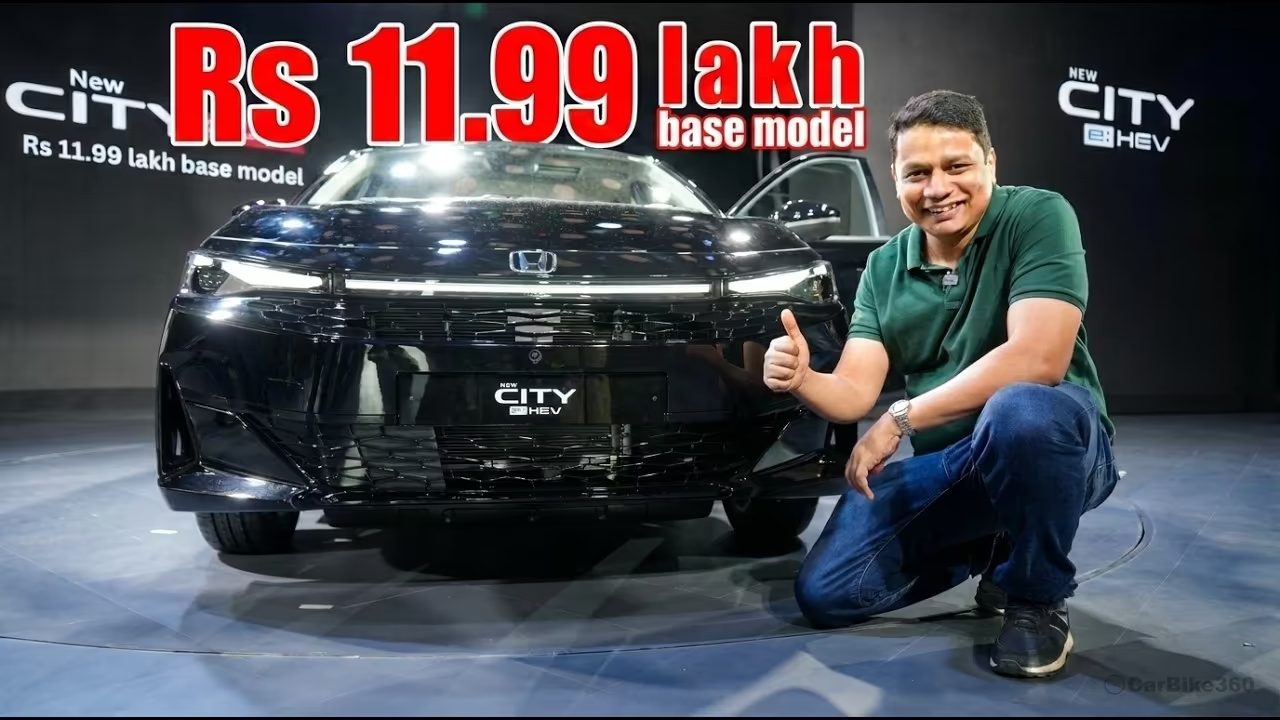
2026 Honda City Launched in India - Better than VW Virtus, Hyundai Verna & Skoda Slavia?
Other Car News
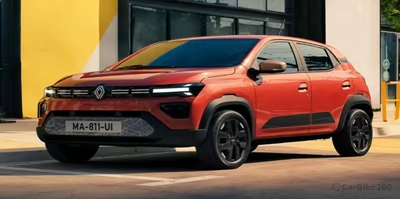
2026 Renault Kwid Facelift launching today: Here’s everything you need to know
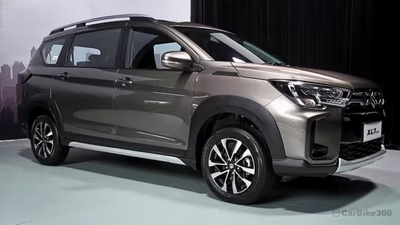
Maruti Suzuki XL7 Facelift India launch expected by year end with new design and features
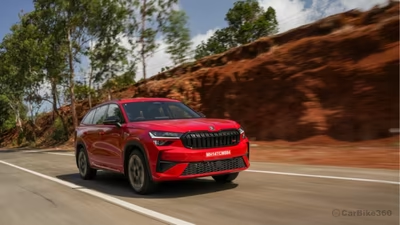
Skoda Kodiaq RS launched in India at Rs 66.99 lakh with limited 50 units

ASSOCHAM boosts electric mobility through sector councils and policy push
Listen to Car Audios