ELECTRIC
Tata Motors backs affordable ethanol over GST cuts to boost flex-fuel vehicle adoption
 Add CarBike360 on Google
Tata Motors emphasizes the need for affordable ethanol pricing to drive flex-fuel vehicle adoption, suggesting it would be more impactful than reducing GST rates in India’s evolving fuel ecosystem.

May 28, 2026 10:01 am IST
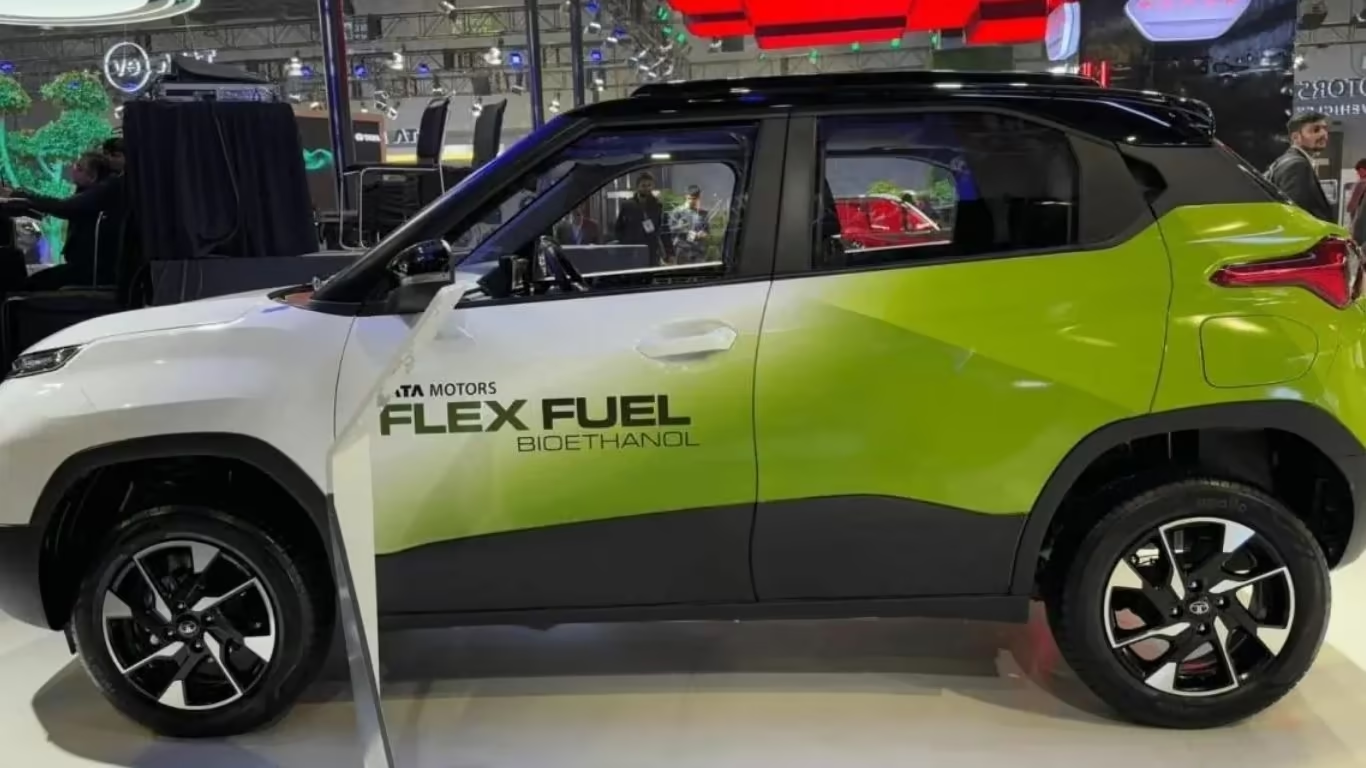
Tata Motors Managing Director Shailesh Chandra believes that reducing the price of ethanol-blended fuel is more effective than lowering GST rates for flex-fuel vehicle adoption in India. As the country increases its ethanol blending targets, Chandra argues that cheaper fuel would drive consumer interest more than tax incentives.
Key Highlights
- Tata Motors prefers cheaper ethanol fuel over GST cuts for flex-fuel vehicles.
- India achieved 20 percent ethanol blending in petrol ahead of the target
- Flex-fuel vehicles face higher GST rates than electric vehicles under the current policy
- Higher ethanol blends can reduce fuel efficiency and may increase component wear
- Tata Motors plans to launch its first flex-fuel passenger vehicle by 2027
Current Policy and Industry Push
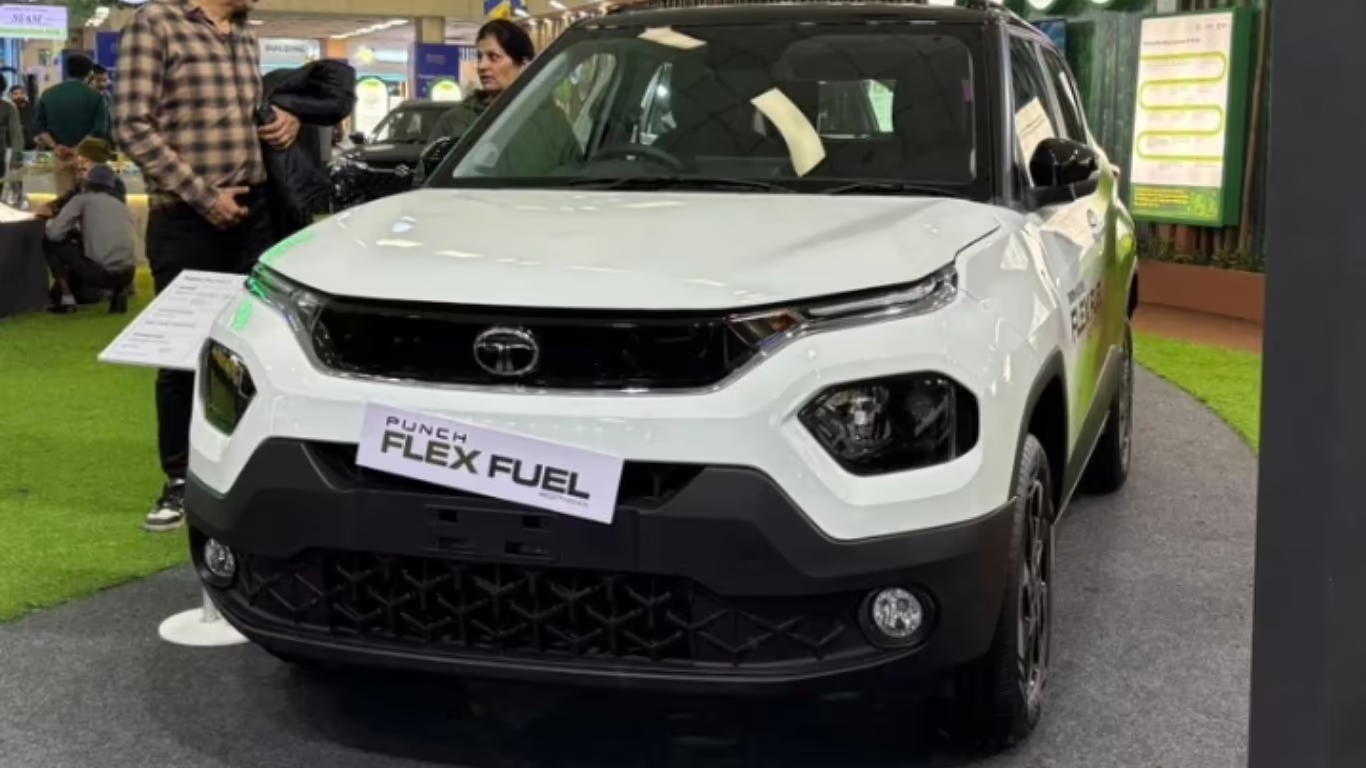
Some automakers and sugar industry representatives have urged the government to introduce incentives, including a GST reduction, for flex-fuel vehicles. These vehicles can operate on higher ethanol blends or even 100% ethanol. Flex-fuel technology is seen as a way to cut crude oil imports and reduce emissions without relying solely on electric vehicles.
India recently achieved 20% ethanol blending in petrol ahead of schedule. The government is now considering higher blends such as E25 and E30. Under the current GST structure, electric vehicles are taxed at 5%. Conventional internal combustion engine vehicles, hybrids, and flex-fuel vehicles face higher rates between 18% and 40%, depending on vehicle size.
Arguments Against GST Reduction
Chandra stated that the cost to manufacture flex-fuel vehicles is relatively small, so a GST cut is not necessary. He emphasized that lowering fuel prices for higher ethanol blends would have a greater impact on consumers. “We should reduce the price of the fuel to compensate for the fuel efficiency loss,” he said.
Chandra also noted that a significant GST reduction could slow the transition to electric vehicles. He pointed to Brazil as an example, where differential fuel pricing has successfully promoted ethanol adoption. In Brazil, higher ethanol blends are priced lower than gasoline, encouraging consumers to choose ethanol-based fuels.
Technical and Implementation Considerations
Chandra cautioned that higher ethanol blends can lead to reduced fuel efficiency. “The more ethanol, the greater the drop. That's technically, it's a factual thing,” he explained. Vehicles not designed for high ethanol content may also experience faster wear on certain components.
Tata Motors has committed to launching at least one flex-fuel-ready model and will align its plans with the government’s roadmap and industry consensus. The company expects to introduce its first flex-fuel passenger vehicle by the end of this year or early 2027. Tata Motors has also seen a sharp increase in electric vehicle demand in recent months, positioning it to potentially surpass 100,000 annual EV sales.
Market and Industry Developments
The automaker aims to increase the share of hatchbacks in its passenger vehicle lineup from 15% to 20%, focusing on first-time buyers. In addition, Tata Motors has partnered with VinFast for EV charging infrastructure in India, with 15 stations already operational and plans for 100 more.
Also Read: The Next-Gen 2026 Tata Tiago EV launched at Rs 6.99 lakh in India
CarBike 360 Says
Tata Motors’ stance highlights a practical shift in India’s alternative fuel strategy, where the affordability of ethanol could play a decisive role in mass adoption. Rather than relying on tax cuts, focusing on fuel economics may deliver faster and broader results. As policymakers evaluate future mobility solutions, ethanol pricing could emerge as a key lever in accelerating India’s transition to cleaner transportation.


You May Like


Find your perfect car

Budget

Brand

Body Type

Fuel

Mileage

More
Latest Car Videos




Other Car News
Listen to Car Audios