ELECTRIC
When Should You Replace Your Tyres? The Ultimate Guide for Indian Drivers
 Add CarBike360 on Google
Replace tyres in India when tread drops below 3 mm, tyres reach 5-6 years old, or show cracks/bulges don't wait for 1.6 mm legal minimum.

By Bhumika Verma
Mar 06, 2026 10:14 am IST
Key Highlights:
- Tread < 3 mm? Danger Zone! - Legal is 1.6 mm, but in Indian monsoons, replace at 3 mm to avoid hydroplaning disasters.
- Age Over 6 Years = Time Bomb - Rubber hardens, and cracks even with low mileage replace by 5-6 years max.
- 40-60K km Sweet Spot - Most Indian drivers hit this range; potholes & heat accelerate wear, don't push beyond.
Living in Delhi or anywhere in India means your car tyres battle scorching summers, monsoon floods, pothole-riddled roads, and dusty highways daily. One wrong decision on tyre replacement can turn a routine drive into a nightmare, longer braking distances in rain, skidding on wet NH-48, or worse, a sudden blowout at 100 km/h. But when exactly should you replace them? Is it mileage, age, tread depth, or visible damage?
The quick answer: Replace when tread depth drops below 3 mm for safety (legal limit is 1.6 mm in India under the Motor Vehicles Act), or when tyres are 5-6 years old, regardless of looks. Average life in Indian conditions? 40,000-60,000 km for most passenger cars, but potholes and aggressive driving can cut it short.
In this detailed, India-focused guide, we'll cover the key signs, legal rules, monsoon-specific tips, real-world mileage expectations, how to check yourself, and ways to extend tyre life. Packed with charts, tables, and practical advice, let's keep you safe and save money on unnecessary replacements.
Read More: If you’re running low on fuel, should you drive fast or slow?
Tread Depth: The Number 1 Reason to Replace

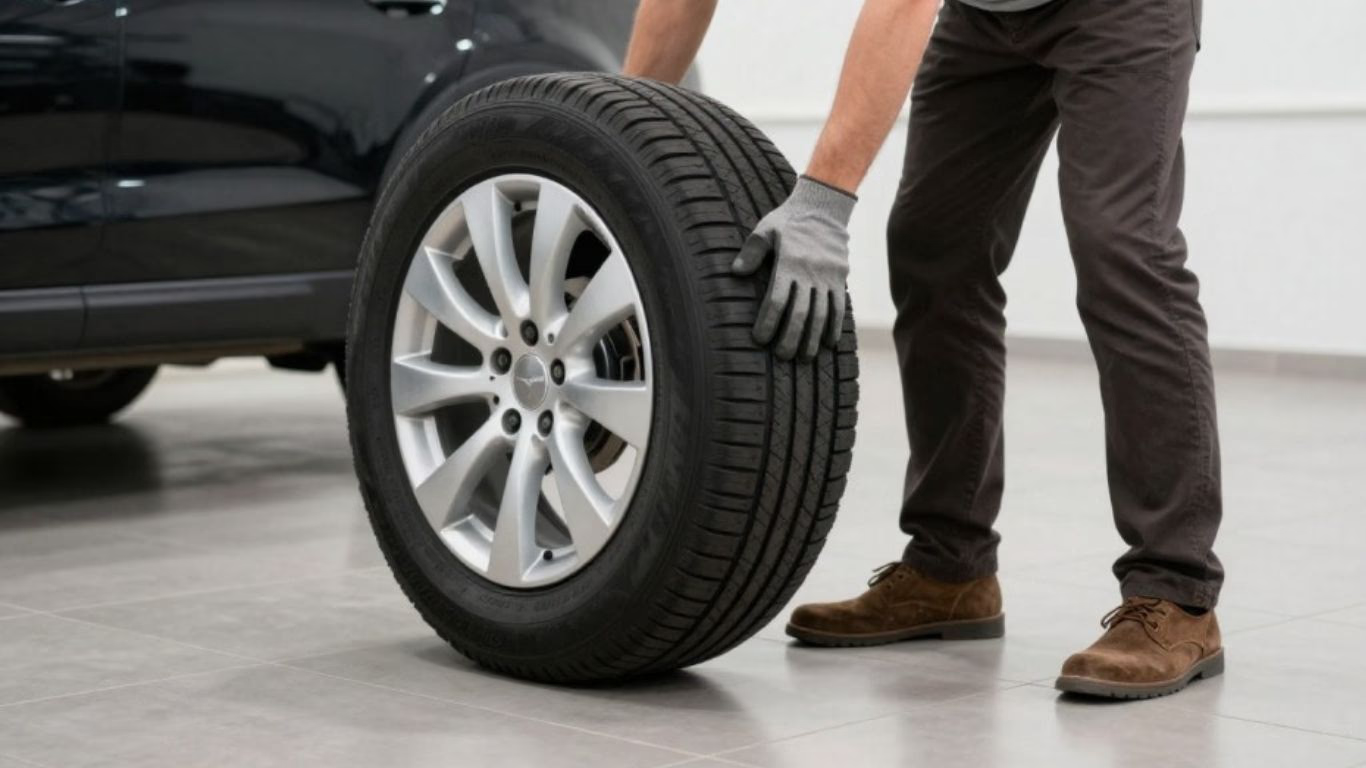
Tread depth is your tyre's lifeline; it channels water away, grips corners, and shortens braking. New passenger car tyres start at 7-8.5 mm depth. As they wear, performance drops sharply.
Legal Rule in India: Minimum tread depth is 1.6 mm (Motor Vehicles Act). Below this? Illegal to drive and fines up to ₹1,000-₹5,000 are possible during RTO checks, plus accident liability skyrockets.
Safety Reality: Waiting till 1.6 mm is risky, especially in India. Monsoon experts (Apollo, Michelin, Continental India) recommend replacing at 3 mm or when Tread Wear Indicators (TWI) appear flush. TWIs are small raised bars in the grooves. When the tread wears level with them, you're at 1.6 mm.
Tyre Age: The Silent Killer
Rubber degrades over time due to ozone, UV, heat, and humidity common in Indian climates. Sidewalls crack, lose flexibility, and risk sudden failure.
Industry Consensus in India:
Most manufacturers (MRF, CEAT, Apollo, Michelin) recommend replacement after 5-6 years from the manufacturer's date.
Max safe life: 6-10 years, but replace by 6 years for peace of mind.
Even if the tyre looks good, 6+ year-old tyres harden, have poor grip, longer stops, and blowout risk on highways.
Tyre Age vs Risk Table (Indian Conditions)
Tyre Age | Typical Condition in India | Recommendation | Risk Level |
|---|---|---|---|
0-3 years | Excellent grip, flexible | Keep driving | Low |
3-5 years | Minor hardening, good tread | Monitor closely | Medium |
5-6 years | Cracks appear, rubber stiffens | Replace soon | High |
6+ years | Sidewall cracks, blowout-prone | Replace immediately | Very High |
Coastal cities (Mumbai, Chennai) or Delhi's extreme heat accelerate aging many drivers are replaced at 5 years.
Mileage & Wear Patterns: What to Expect on Indian Roads
Average tyre life in India:
- City driving (stop-go, potholes): 30,000-45,000 km
- Highway-heavy: 50,000-70,000 km
Aggressive drivers/fast cars: 25,000-40,000 km
Factors shortening life: Potholes (Delhi/Gurgaon killers), overloading, under-inflation, and poor alignment.
Uneven Wear Signs (Replace ASAP):
Centre wear - Over-inflation
Edge wear - Under-inflation or misalignment
One-sided wear - Suspension/alignment issue
Cupping/scalloping - Bad shocks or balancing
Read More: Renault Safety Features Explained
Typical Mileage to Replacement Table (Popular Indian Cars)

Car Type/Example | City (km) | Highway (km) | Notes |
|---|---|---|---|
35,000-50,000 | 50,000-65,000 | Pothole-sensitive | |
40,000-55,000 | 55,000-70,000 | Better on highways | |
30,000-45,000 | 45,000-60,000 | Heavier = faster wear | |
25,000-40,000 | 40,000-55,000 | Performance tyres wear more quickly |
Rotating tyres every 8,000 -10,000 km, aligning/balance every 10,000 km can add 10-20% life.
Visible Damage & Other Red Flags
- Cracks/cuts on sidewalls - Age/impact damage
- Bulges - Internal belt separation (blowout risk)
- Embedded nails/objects - If patchable, ok; else replace
- Vibrations/shimmy at speed - Out-of-balance or worn
- Frequent punctures - Tyre weakened
Monsoon tip: Replace before June-July if tread <4 mm. New tyres displace 30+ liters of water/sec at 80 km/h; worn ones hydroplane easily.
How to Extend Tyre Life in India
- Maintain 32-35 PSI (check weekly hot tyres read higher)
- Avoid overloading
- Drive smoothly, no harsh braking/acceleration
- Park in the shade to reduce UV damage
- Use wheel covers if parked long-term
- Buy reputed brands (MRF, CEAT, Apollo, Michelin, Bridgestone)
Conclusion:
Your tyres are the only parts touching the road. Ignore the signs, and you're risking lives (yours, family, others). Check the tyre monthly, note the manufacturer date, and plan replacement at 3 mm tread or 5-6 years. In Delhi's chaos or on rainy highways, fresh tyres aren't a luxury; they're essential.
Next time you feel the car "float" in rain or hear an unusual noise, inspect immediately. Better ₹20,000 - 30,000 on new tyres than hospital bills or fines.
Drive safe, check those tyres, and enjoy the road worry-free.


You May Like





Latest Tyre Videos



Listen to Tyre Audios