ELECTRIC
Ola S1 X Plus Review: Worth Buying Despite Software Concerns?
 Add CarBike360 on Google
An honest, real-world 110km test review of the Ola S1 X Plus electric scooter. We analyze its budget-friendly design, everyday battery range, performance, and known software screen freezing concerns.

By Swati Tomar
Jun 25, 2026 11:05 am IST
Published On
Jun 25, 2026 10:52 am IST
Last Updated On
Jun 25, 2026 11:05 am IST
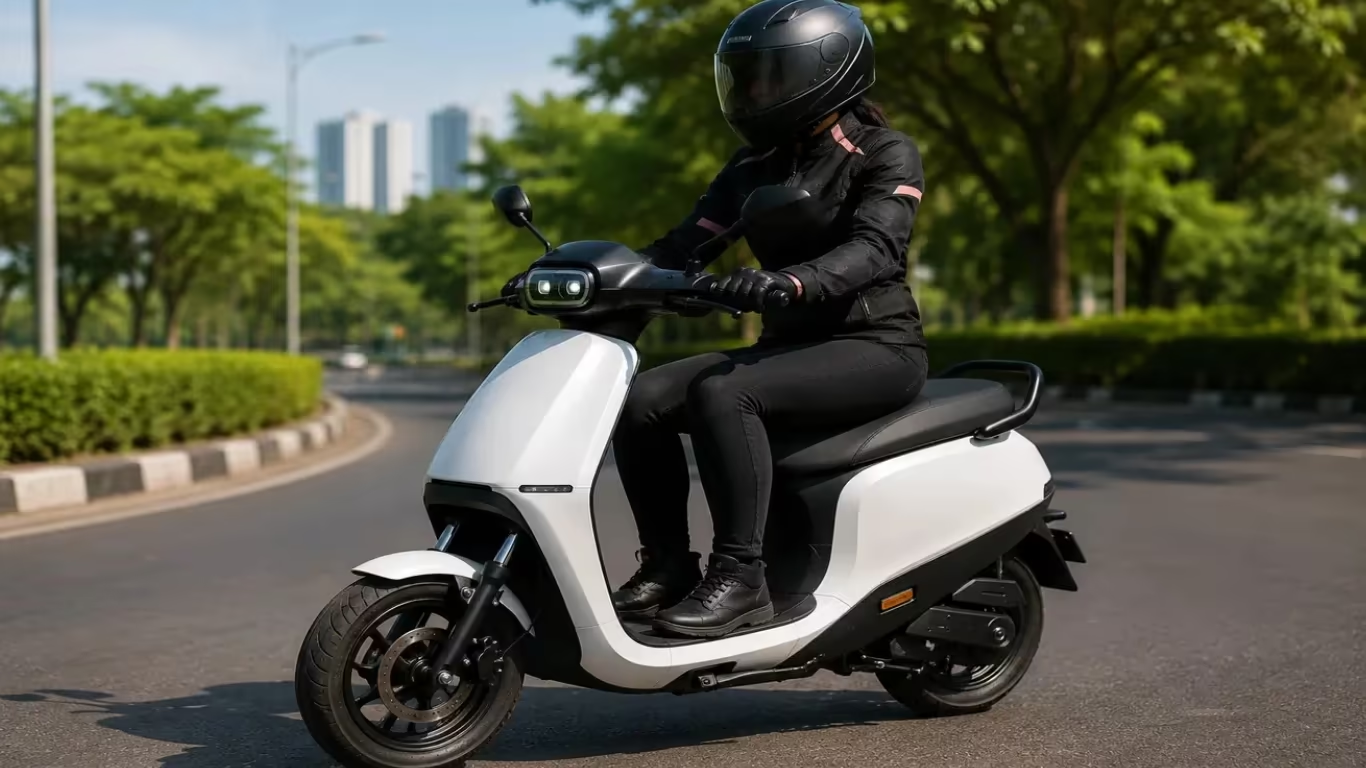
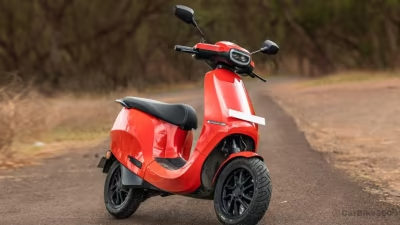
We took the Ola S1 X Plus straight into heavy traffic, absorbing sharp road impacts, and commuting in 42-degree afternoons. Our first impression is quite clear: this is a basic, tough scooter made purely for daily use. To keep the price low, Ola removed the fancy, expensive touchscreens found on their premium models. Instead, you get a regular physical key to start it and a very simple digital display.
It feels like a practical, budget-friendly workhorse, but the real test begins when you look past the company's big advertisements. Ola claims the battery will last for a very long distance on a single charge. However, when you actually ride it through heavy, stop-and-go city traffic, you quickly see a big difference between the high numbers promised in the brochure and the real mileage you get on the road. Add some unexpected software glitches and sudden battery drops into the mix, and it makes you wonder—is it still worth buying?
Key Specs at a Glance
Feature | Specification |
Motor Wattage | 5.5 kW (Peak Power: 11 kW) |
Battery Capacity | 4 kWh Lithium-ion |
Claimed Range (IDC) | 242 km per charge |
Real-World Range | ~130 km to 150 km (Eco/Normal Mode) |
Top Speed | 125 km/h |
Kerb Weight | 113 kg |
IP Rating | IP67 (Battery & Motor) |
Tyre Size | 90/90-12 (Front & Rear, Tubeless) |
Charging Time | Approx. 4 hours 50 mins (0-80% at home) |
Design & Build Quality
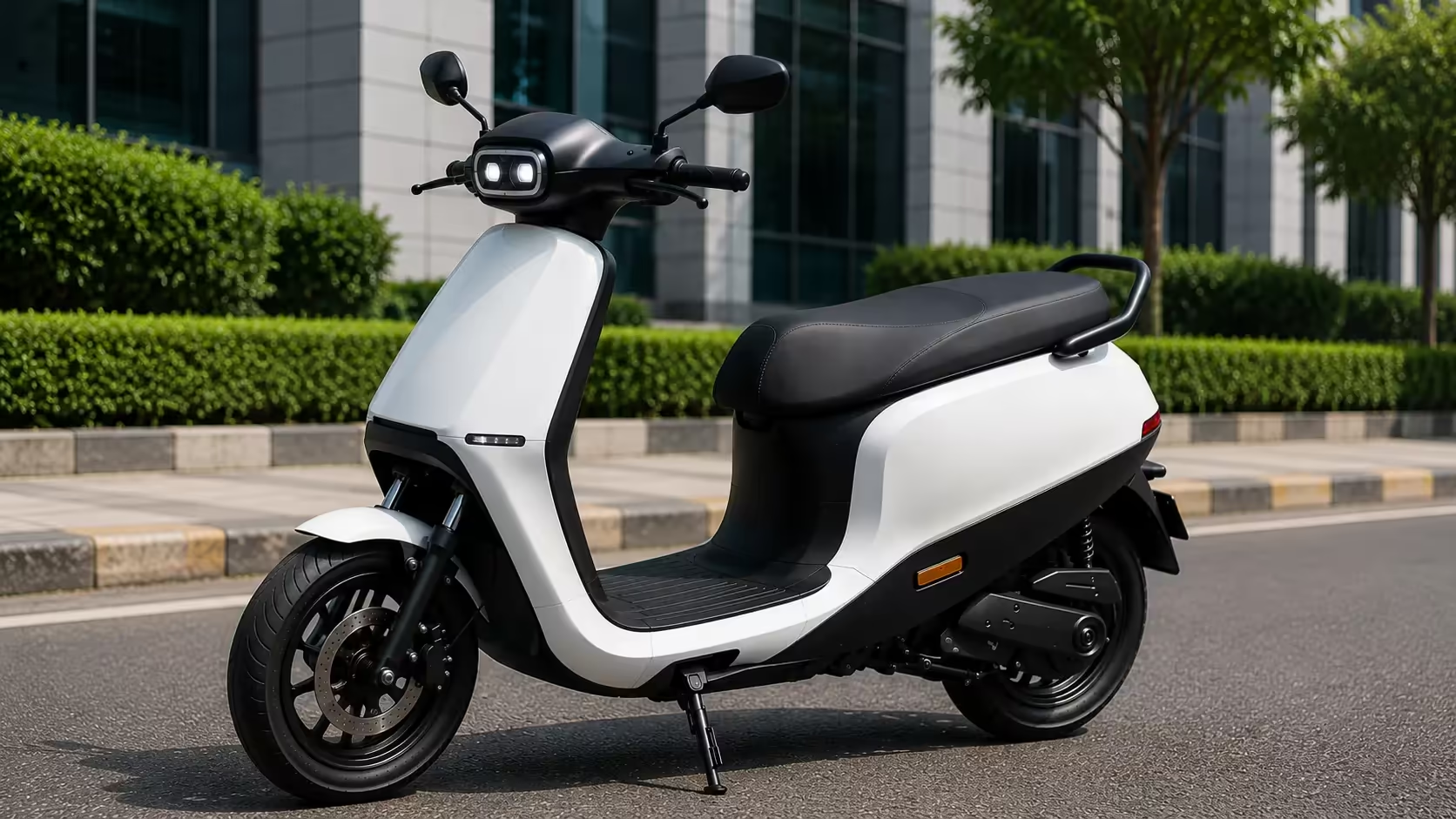
The S1 X Plus looks like a modern scooter, but you can see where Ola saved money. The body panel fits are decent, but if you look closely, there are uneven gaps around the plastic panels. Since this is an electric scooter, it doesn't fold like a kick-scooter, but the handlebar stem and steel frame feel highly rigid and handle rough roads nicely.
The floorboard (deck) is flat, wide, and very spacious—perfect for carrying gas cylinders or water cans. While the overall chassis looks smart and premium from a distance, the cheaper matte plastics around the floorboard and inner apron feel distinctly budget-grade. The scooter handles rainy conditions perfectly well thanks to its weatherproofing, meaning puddles won't be a problem.
Real-World Range & Battery
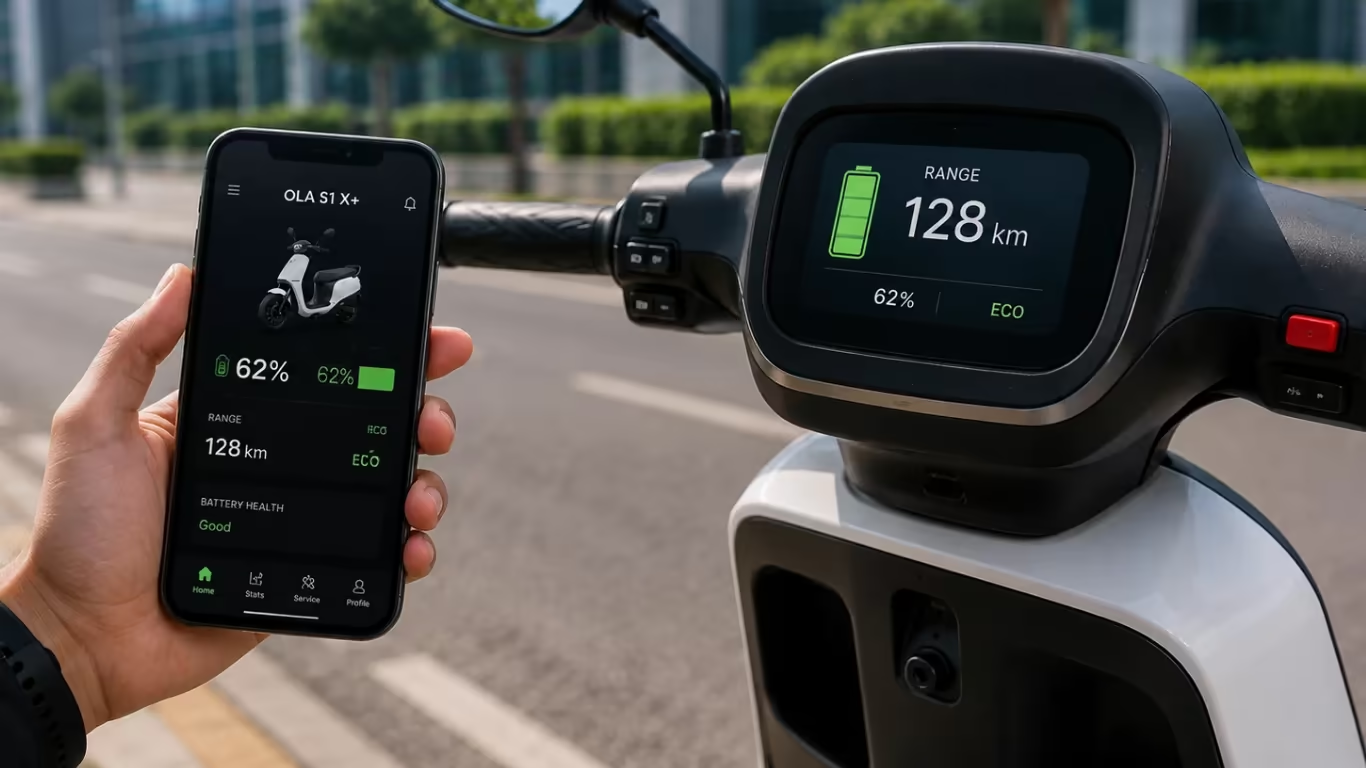
The brochure promises a massive 242 km range, but real-world city traffic cuts that number significantly. Under standard city conditions (with an 80 kg rider on typical urban roads), here is what we recorded:
Eco Mode: 145 km
Normal Mode: 120 km
Sports Mode: 85 km
The home charger takes nearly 5 hours to juice up the battery from empty to 80%. Regenerative braking helps put a little bit of power back into the battery when you coast, but it is not enough to counter the sudden percentage drops that happen when the software gets confused under heavy throttle.
Ride Comfort & Handling
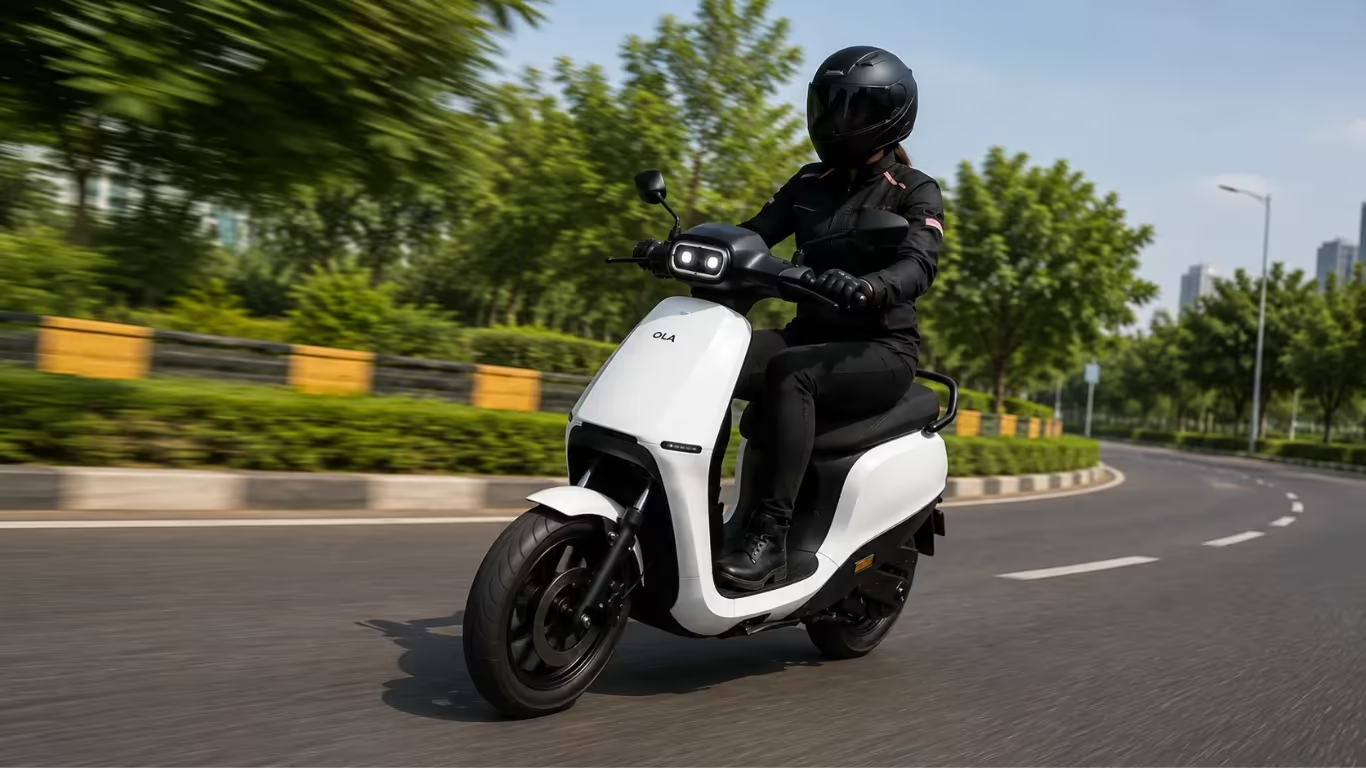
The scooter uses a twin telescopic suspension setup at the front and dual shock absorbers at the back. It is tuned on the firmer side. This means it handles corners stably at 50 km/h, but you will definitely feel sharp, unpaved potholes directly in your spine.
Tyre feedback from the 12-inch wheels is good, providing strong road grip even during quick direction changes. The turning radius is tight, making it easy to slice through jammed traffic, and the footboard ergonomics ensure your knees don't sit uncomfortably high during long rides.
Braking Performance
Unlike the base S1 X models which rely entirely on drum brakes, the S1 X Plus comes with a front disc brake and a rear drum brake. It features a Combi Braking System (CBS) instead of full ABS.
Stopping Distance: Dropping from 60 km/h to 0 is quick and predictable in dry conditions.
Wet Surface Braking: The rear wheel can skid if you slam the left lever too hard on wet paint or mud, but the front disc keeps things mostly stable.
Brake Lever Modulation: The levers feel stiff but provide linear, reliable stopping power.
Motor & Performance
Performance is where this scooter shines. It accelerates from 0 to 25 km/h in less than 2 seconds and hits 40 km/h in just 2.7 seconds. The torque kick in Sports Mode feels thrilling and climbs flyovers effortlessly without any motor lag.
The mid-drive motor makes a distinct electric whine under hard acceleration, which sounds futuristic but can get loud. After 45 minutes of continuous riding in peak city traffic, the motor gets warm, but the software steps in to manage the heat before any major performance drop occurs.
App, Display & Smart Features
Instead of a touchscreen, you get a 4.3-inch segmented digital screen. It looks like a classic digital watch interface, very simple to read under bright, direct sunlight, but it lacks visual flair.
The smartphone app connects via Bluetooth, allowing you to track vehicle health and receive basic call/SMS alerts on the dash. However, the software can be finicky. Over-The-Air (OTA) updates sometimes take forever to download, and occasional software glitches might require you to hard-reboot the scooter if the screen freezes.
Lighting & Safety Features
The signature twin-pod LED headlight has a fantastic, wide throw that lights up pitch-dark roads perfectly. The rear brake light is bright and easily visible to traffic behind you.
Ola has included useful safety elements like side reflectors and an incredibly loud horn that cuts through traffic noise. You can also configure speed limiters inside the app settings if you plan on lending the scooter to younger riders.
Portability & Daily Usability
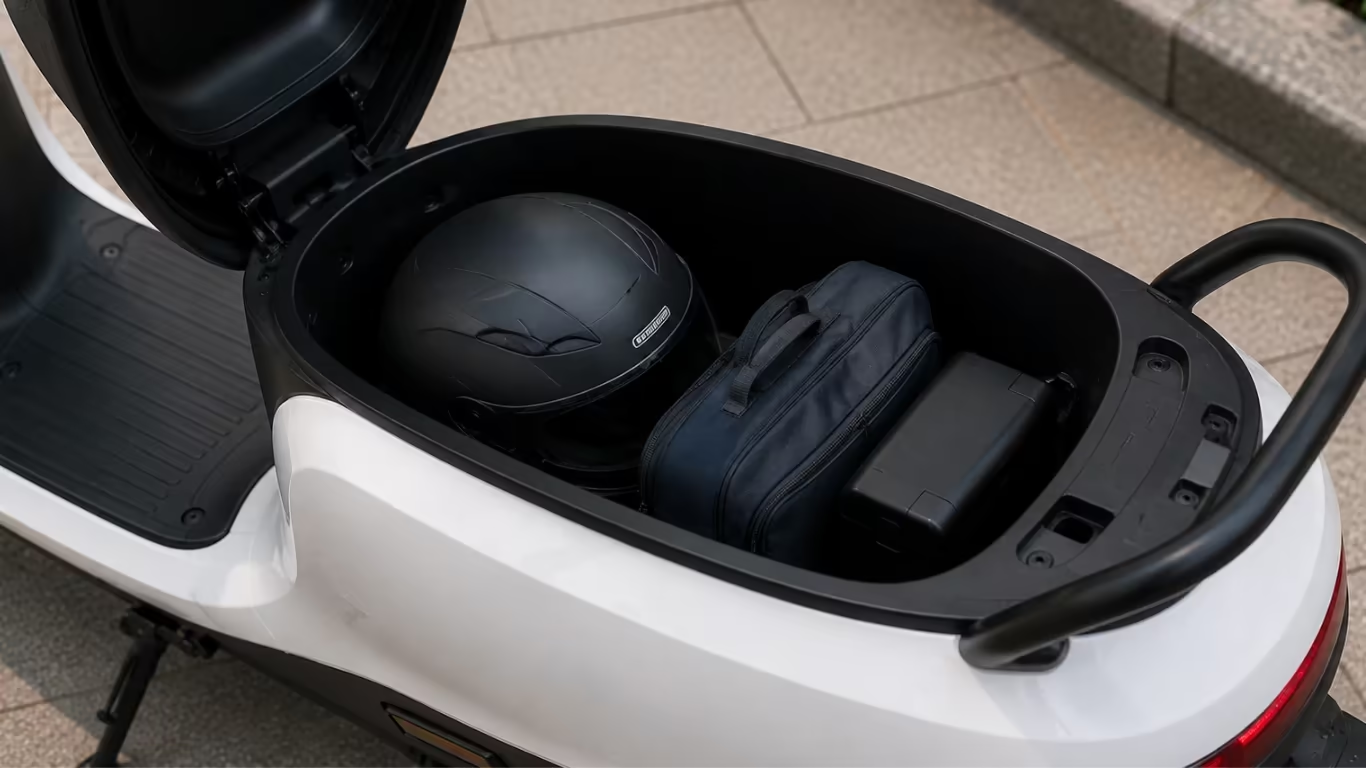
The under-seat boot space is a massive 34 liters. As shown below, it easily accommodates the bulky portable home charger while still leaving room for a half-face helmet or groceries.
Even with the charger inside, the S1 X’s boot still has plenty of room to spare.
The scooter weighs 113 kg, making it easy to manage when parking. It also includes a handy front grocery hook, though you'll need to purchase a third-party handlebar phone mount if you need to view maps while riding.
Value for Money & Competition
At its aggressive price point, the price-to-feature ratio of the S1 X Plus is hard to beat if you purely look at battery size and top speed. Here is how it stacks against its top rivals:
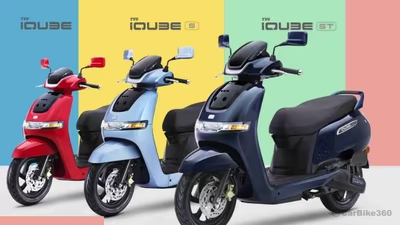
TVS iQube (Base): More reliable and better built, but has less range and costs significantly more.
Bajaj Chetak (3G): Offers premium metal bodywork and rock-solid software, but lacks the quick acceleration of the Ola.
Ather Rizta: Much more comfortable for families, but comes with a higher price tag for the entry-level variant.
Pros, Cons & Final Verdict
Pros
Excellent Price: Gives you a large 4 kWh battery at a highly competitive rate.
Strong Performance: Blistering acceleration that tackles flyovers and city traffic with ease.
Massive Boot: 34-liter storage handles daily shopping effortlessly.
Front Disc Brake: Delivers much better stopping power than old-school drum brakes.
Cons
Software Glitches: Sudden battery percentage drops and occasional screen freezes can cause range anxiety.
Firm Ride: The suspension setup can feel quite bumpy on broken roads.
Panel Gaps: Overall fit and finish quality feels a bit rushed in certain areas.
CarBike Verdict
Who it is for: The Ola S1 X Plus is built for the price-conscious daily commuter who wants maximum range and speed for their money and doesn't mind dealing with minor software bugs.
Would we buy it? Yes, but only if your daily running is high and budget is your biggest constraint. If you want absolute peace of mind and bulletproof reliability without software headaches, spending a bit extra on a TVS or Bajaj might be the wiser choice.


You May Like


Find your perfect bike

Brand

Budget

Body Type

Fuel

Mileage

More
Other Scooter Expert Reviews

Listen to Scooter Audios