ELECTRIC
Luxury Car Market Share in India Set to Double by 2030, Says BMW Group India CEO
 Add CarBike360 on Google
India's luxury car segment, defined as vehicles above ₹40 lakh, could double its market share to 5% by 2030, driven by rising incomes, premiumisation, and higher EV adoption, according to BMW Group India CEO Hardeep Singh Brar.

By Utsav Chaudhary
Apr 08, 2026 12:30 pm IST

The luxury car segment in India, defined as vehicles priced at ₹40 lakh and above, currently makes up about 2–2.5% of the total passenger vehicle market. According to BMW Group India President and CEO Hardeep Singh Brar, this share could double to 5% within the next 3–4 years. He attributes this growth to rising income levels, premiumisation trends, higher vehicle prices, and an expanding range of models above ₹40 lakh.
Key Highlights
- Luxury car segment in India currently holds 2–2.5 percent market share
- BMW Group India CEO expects luxury share to reach 5 percent by 2030
- Electric vehicles make up 10 percent of luxury segment sales
- BMW reports 26 percent of its car sales in India are electric vehicles
Market Growth Drivers
Brar explained that as incomes rise, consumer preferences are shifting, leading to a larger addressable market for premium vehicles. He expects the luxury segment to reach 5% of the overall market by 2030. The definition of luxury in India is also changing. As vehicle prices increase across segments, more customers are upgrading to higher-value models, not just traditional premium brands.
The broader passenger vehicle market has seen a steady move up the value chain. Buyers are transitioning into higher price categories as their incomes grow and financing options become more accessible. Brar noted a pattern where every 2 to 3 years, consumers shift to the next ₹5 lakh price bracket. This trend is expected to continue, supported by a growing pipeline of new models in the ₹40 lakh-plus range.
Electric Vehicle Adoption in Luxury Segment
Electric vehicle (EV) penetration in the luxury car segment stands at around 10%, much higher than the 4% EV penetration in the overall passenger vehicle market. This indicates faster adoption of EVs among premium buyers. Brar highlighted that BMW Group India’s strong EV portfolio contributed to robust sales growth in the January–March period, despite challenges such as the West Asia conflict impacting luxury car demand.
Currently, electric vehicles account for 26% of BMW’s car sales in India. Brar attributed this shift to concerns over oil prices and a growing perception among customers that EVs are a sensible choice for the future.
Outlook for the Luxury Car Market
Brar expects the luxury car segment to benefit from continued income growth, evolving consumer preferences, and an expanding selection of high-value models. The market is likely to see more buyers upgrading to premium vehicles as financing becomes easier and the range of available models increases. The higher rate of EV adoption in the luxury segment is also expected to support future growth.


You May Like


Find your perfect car

Budget

Brand

Body Type

Fuel

Mileage

More
Latest Car Videos



Other Car News
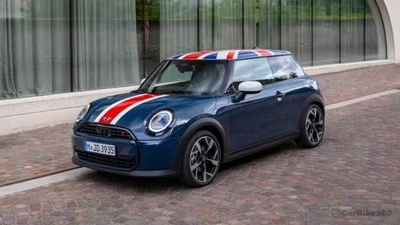
MINI Cooper Oxford Edition celebrates 25 years of Oxford plant production
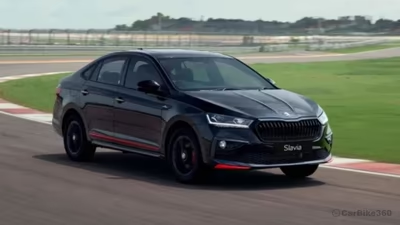
2026 Skoda Slavia Facelift to make debut on 18 August with new features
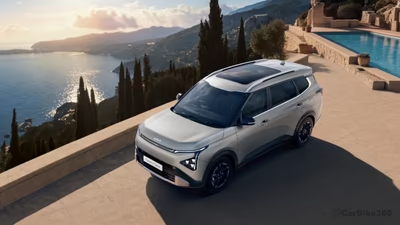
Kia Carens crosses 3 lakh sales milestone in India, strengthens position in family MPV segment
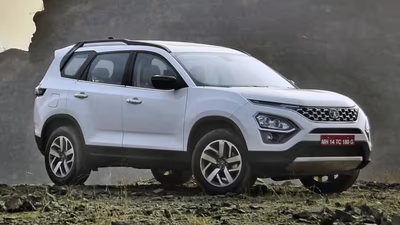
Tata Safari Prices increased in India, now start at Rs 13.40 lakh
Listen to Car Audios