ELECTRIC
Maruti Suzuki Chairman assures stable car demand despite West Asia tensions
 Add CarBike360 on Google
Maruti Suzuki remains optimistic about steady vehicle demand in India even as geopolitical tensions in West Asia continue to rise.

Apr 28, 2026 12:30 pm IST
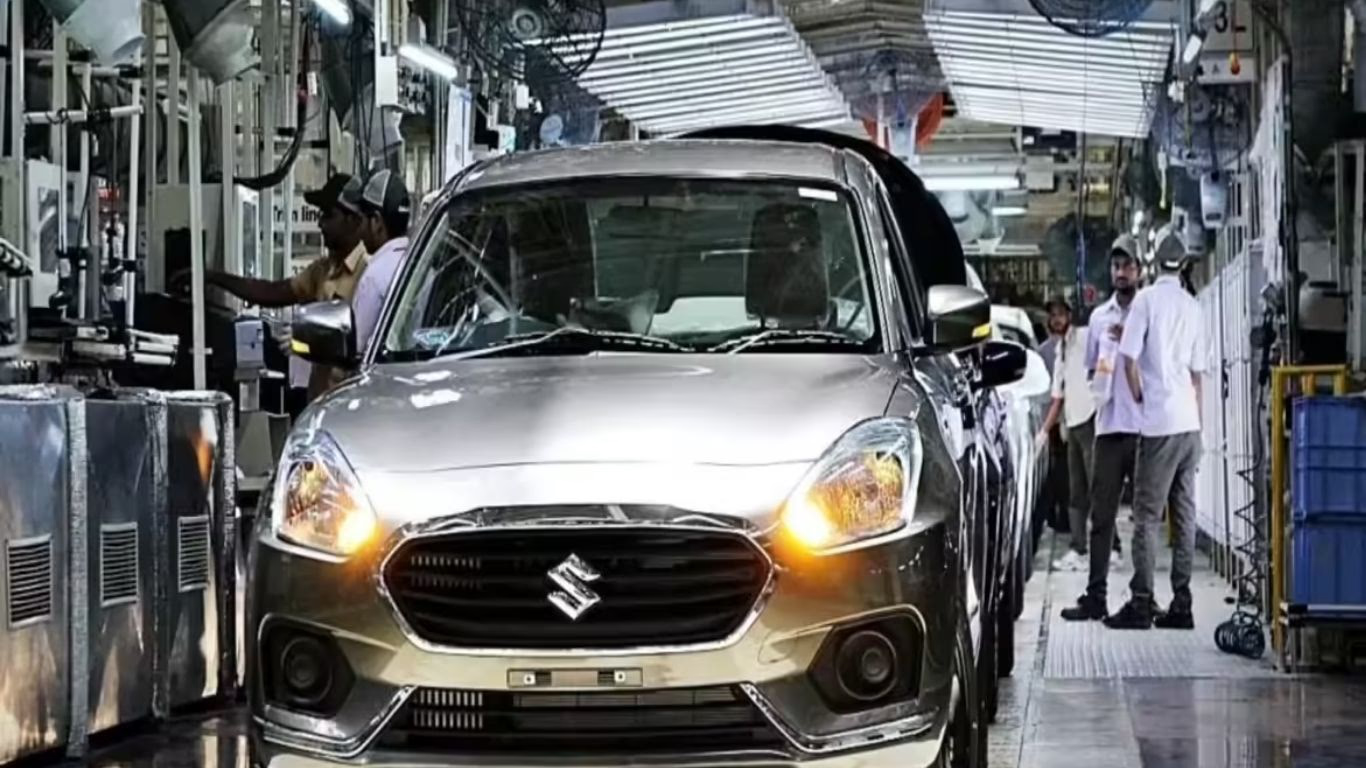
India's car market remains stable despite ongoing geopolitical tensions in West Asia, according to R. C. Bhargava, Chairman of Maruti Suzuki India Limited. Bhargava stated that both demand and production are steady, with minimal impact observed so far. He made these remarks following Maruti Suzuki's FY26 earnings call, addressing concerns about the potential effects of the West Asia crisis on the Indian automotive sector.
Key Highlights
- Maruti Suzuki chairman reports steady demand and production despite West Asian tensions
- Indian passenger vehicle market grew by over 8.8 percent to 4.7 million units
- Fuel prices and input costs remain key risks for future demand
- India could reach 5 million units if current trends continue
Current Market Conditions
Bhargava emphasized that customer demand and vehicle production have not faced significant disruption. The Indian passenger vehicle market grew by over 8.8% to reach 4.7 million units. If the current trend continues without major disruption, India could achieve the 5 million units milestone soon. India is now the third largest car market globally, showing resilience amid global uncertainties.
The government’s Goods and Services Tax (GST) reduction has supported the market's strong growth momentum. Authorities remain focused on sustaining this growth, even as global disruptions persist. The industry continues to monitor the situation closely, especially regarding crude oil prices and supply chain stability.
Risks and Future Outlook
Despite the current stability, Bhargava flagged rising fuel prices as a key risk. Input cost pressures are already increasing vehicle prices. A sustained rise in fuel prices could reduce demand, particularly in entry-level and mid-range segments where affordability is crucial. Experts warn that fuel prices may increase after election results, potentially raising inflation and further impacting vehicle prices.
This scenario could create a double burden for consumers, who are already facing higher ownership costs. The future of market stability depends on the duration of West Asia tensions and domestic fuel price trends. If energy and commodity prices continue to rise, demand could weaken. Automakers may need to balance pricing discipline with the goal of maintaining sales volumes.
Industry Developments
Other industry updates include PB Fintech's PB Wheels integrating insurance, servicing, FASTag, PUC tracking, and challan management into one platform. The Jhagadia facility will serve customers in India, the Middle East, and other international markets. Additionally, a company reports carrying 275,000 passengers daily and claims up to 50% fuel cost savings for state transport undertakings.
Also Read: Maruti Fronx Facelift Spotted Testing Ahead of Expected 2026 Launch
CarBike 360 Says
Despite global uncertainties, Maruti Suzuki’s leadership remains confident in the resilience of India’s car market. Strong rural demand, stable economic indicators, and evolving consumer preferences are expected to support growth. While geopolitical risks persist, the company believes domestic fundamentals will continue to drive consistent demand in the coming months.


You May Like





Find your perfect car

Budget

Brand

Body Type

Fuel

Mileage

More
Latest Car Videos


Top Auto News of the Week: Tata Sierra EV, BMW X6, E85 Fuel & More - Weekly Wrap

Top Auto News of the Week | Hyundai i20 Leak, Honda ZR-V, Tata Sierra EV, Skoda EV & More!

Talking about new Honda City and upcoming ZR-V SUV with Honda India’s Kunal Bahl!

2026 Honda City Launched in India - Better than VW Virtus, Hyundai Verna & Skoda Slavia?
Other Car News
Listen to Car Audios