ELECTRIC
Maruti Suzuki Wagon R Flex Fuel debuts as India’s first mass market ethanol ready car
 Add CarBike360 on Google
Maruti Suzuki introduces the Wagon R Flex Fuel, India’s first mass-market car capable of running on high ethanol blends, supporting the country’s push for greener mobility solutions.

Jun 04, 2026 09:09 am IST
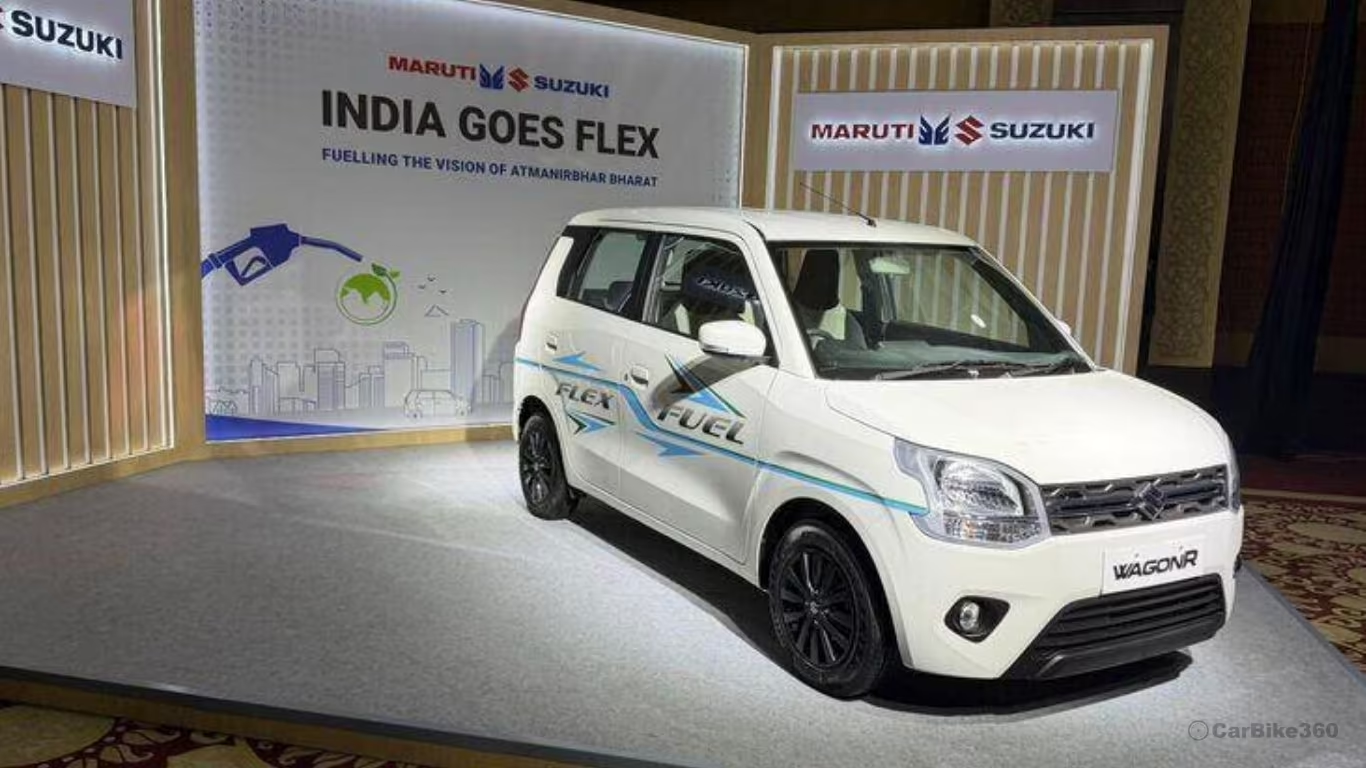
Maruti Suzuki has launched the Wagon R Flex Fuel, making it India’s first mass-market car to support flex fuel technology. The company has not yet announced the prices. The launch event featured Shri Nitin Gadkari, Union Minister for Road Transport and Highways, and Shri Hardeep Singh Puri, Union Minister for Petroleum and Natural Gas.
Key Highlights
- Maruti Suzuki launches Wagon R Flex Fuel as India's first mass-market flex-fuel car
- Car supports ethanol blends from E20 up to E85 for reduced fossil fuel dependence
- Currently only 50 to 100 flex-fuel outlets exist in Delhi-NCR and Mumbai-Nagpur regions
- Government aims for 5000 flex-fuel outlets nationwide by end of 2027
Wagon R Flex Fuel Launch Details
The Wagon R Flex Fuel was first displayed at the Bharat Mobility Expo in early 2024. Now, the car has entered production. Maruti Suzuki has modified the existing petrol engine to support flex-fuel compatibility. The vehicle can run on ethanol blends from E20 to E85. In these blends, the number indicates the percentage of ethanol mixed with petrol. For example, E85 means the car uses 85 percent ethanol and 15 percent petrol.
This development marks a significant step in reducing reliance on conventional fossil fuels. Flex-fuel vehicles can help lower emissions and support the government’s push for alternative energy sources.
Flex Fuel Availability and Government Plans
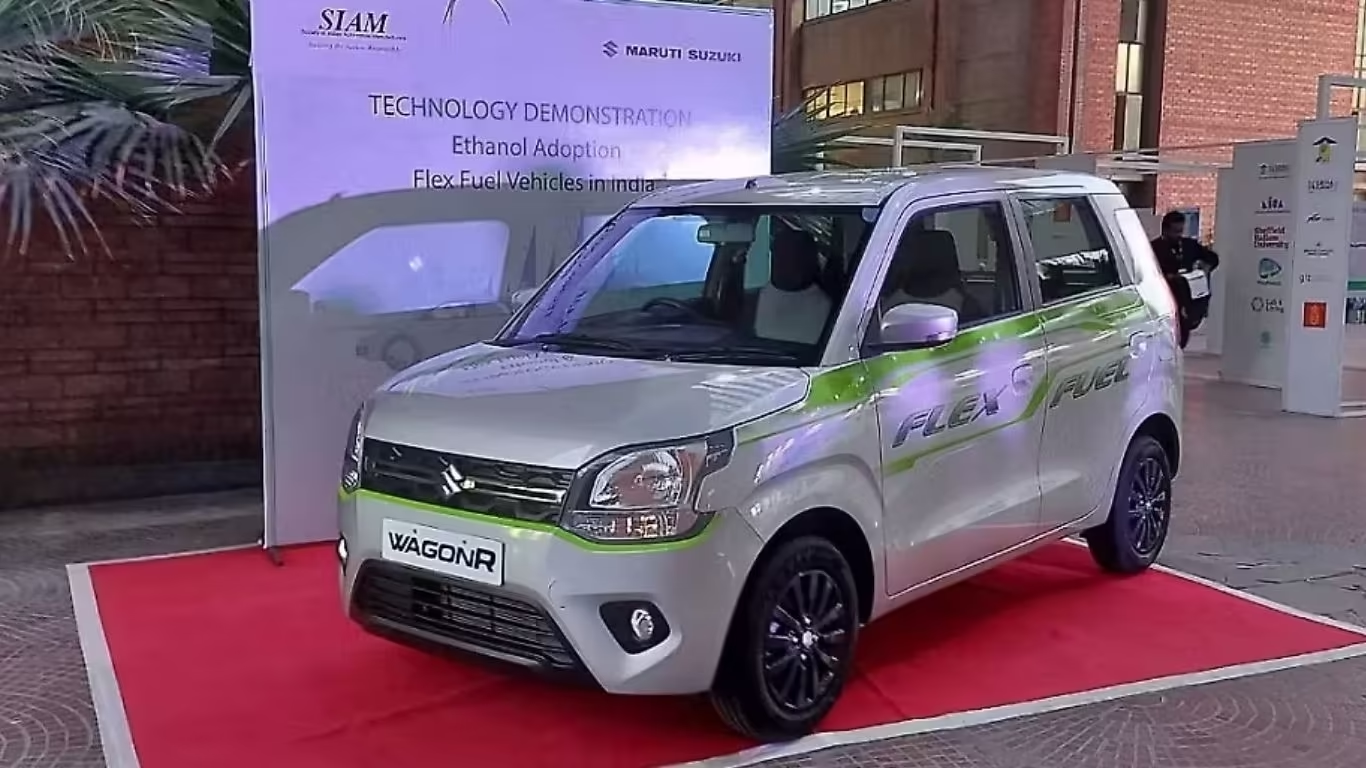
Despite the technological advancement, the availability of flex fuel remains a major challenge. Currently, there are only 50 to 100 dispensing outlets for flex fuel across the Delhi-NCR region and the Mumbai-Nagpur corridor. This limited infrastructure restricts the practical use of flex-fuel vehicles for most buyers.
The Indian government has set a target to increase the number of flex fuel outlets to 5,000 nationwide by the end of 2027. Achieving this goal would make flex-fuel vehicles more accessible and convenient for daily use. The expansion of outlets is expected to play a crucial role in encouraging the adoption of flex-fuel cars in India.
Impact on Indian Automotive Market
The launch of the Maruti Suzuki Wagon R Flex Fuel positions Maruti Suzuki at the forefront of alternative fuel technology in India. The company’s move aligns with national efforts to promote cleaner energy and reduce oil imports. However, the success of flex-fuel vehicles will depend on the rapid expansion of supporting infrastructure.
Also Read: Rising fuel prices boost demand for Maruti e Vitara and CNG cars
CarBike 360 Says
The launch of the Wagon R Flex Fuel marks a significant milestone in India’s transition toward cleaner and more sustainable mobility. By bringing flex fuel technology to the mass market, Maruti Suzuki not only reinforces its leadership but also aligns with national ethanol goals, paving the way for wider adoption of alternative fuel vehicles in the country.


You May Like




Find your perfect car

Budget

Brand

Body Type

Fuel

Mileage

More
Latest Car Videos




Other Car News
Listen to Car Audios