ELECTRIC
Tata Motors targets 40 to 45% share in India electric passenger vehicle market
 Add CarBike360 on Google
Tata Motors is aiming to dominate India’s EV passenger vehicle segment with a targeted 40 to 45 percent market share, backed by new launches, improved technology, and growing charging infrastructure.

Jul 09, 2026 04:44 am IST
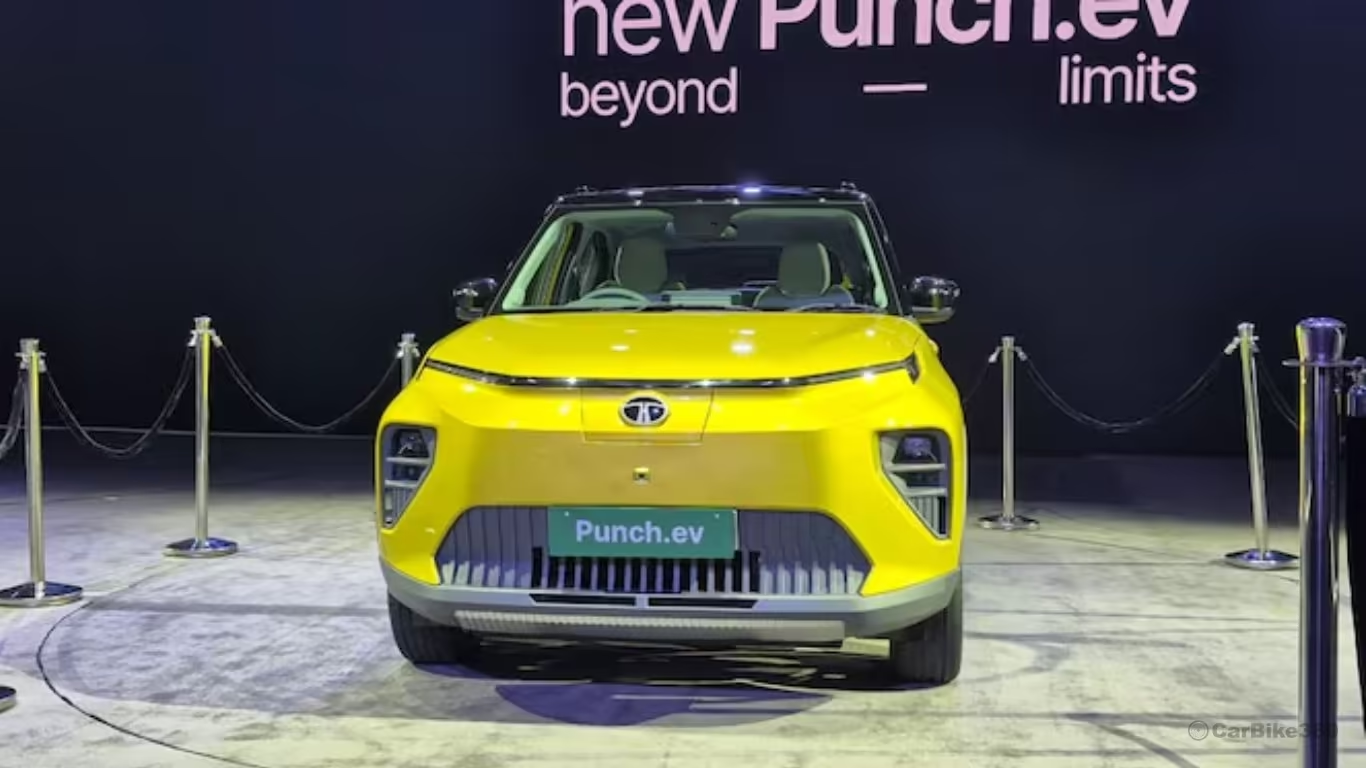
Tata Motors aims to secure a 40–45% share of India’s electric passenger vehicle market. Tata Group chairman N. Chandrasekaran outlined this goal at the company’s Annual General Meeting. The plan relies on expanding its electric vehicle lineup, increasing production capacity, and investing in charging infrastructure. This strategy comes as more domestic and international automakers expand their electric vehicle offerings, challenging Tata Motors’ current lead.
Key Highlights
- Tata Motors targets a 40–45 percent share of India’s electric passenger vehicle market.
- Production capacity to increase by 50 percent to about 15,000 electric vehicles per month.
- Expanded EV lineup includes Tiago, Tigor, Punch, Nexon, Harrier, Safari, and Sierra.
- Charging infrastructure and ownership experience are key to supporting EV adoption.
- Annual electric car and SUV volumes in India approach 2.2 lakh units.
Market Leadership and Growth Plans
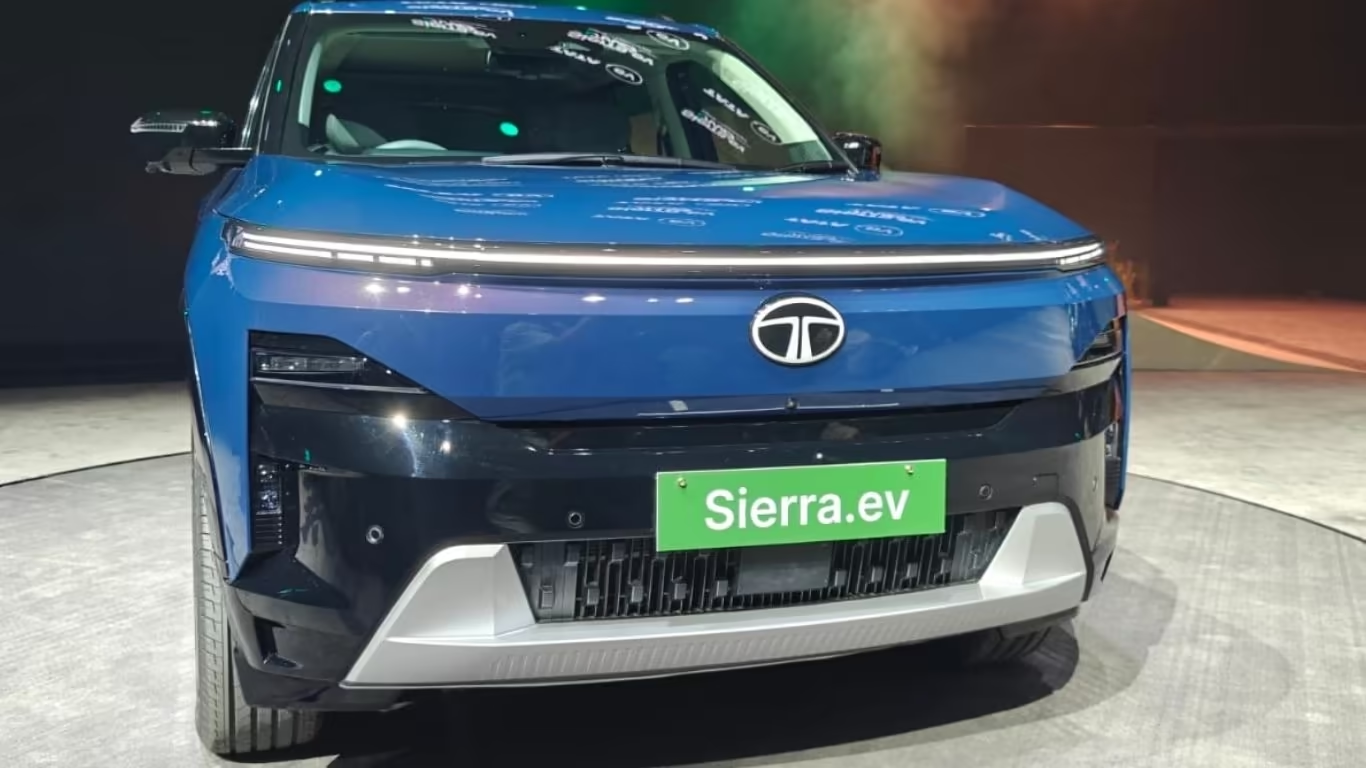
Chandrasekaran stated that Tata Motors expects its electric vehicle volumes to grow significantly over the next decade. The company’s roadmap focuses on three main areas: product range, manufacturing capacity, and ecosystem development.
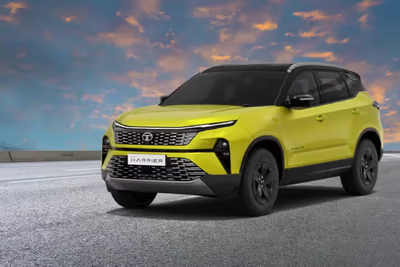
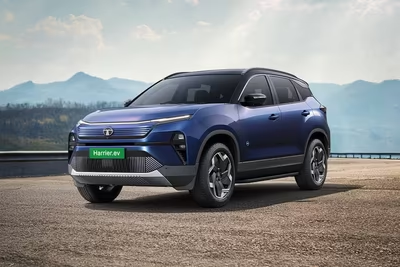
Tata Motors now offers electric versions of the Tiago and Tigor in the hatchback and compact sedan segments. The Punch and Nexon serve the compact SUV market, while the Harrier and Safari target higher SUV segments. The recently launched Sierra enters the premium SUV class.
The company plans to introduce more advanced models under the Avinya brand, signaling a move toward next-generation, software-driven electric vehicles. The Harrier EV and Sierra EV expand Tata Motors’ presence beyond the sub Rs 20 lakh price range, strengthening its position in higher-value electric vehicles.
Production Capacity and Demand
Tata Motors is increasing its electric vehicle production to meet rising demand. The company currently produces about 9,000–10,000 electric vehicles each month. Managing Director and CEO Shailesh Chandra has announced plans to boost monthly output by at least 50% within the next three to four months. This would raise production to approximately 15,000 units per month, as bookings have increased and demand now outpaces supply.
The shift toward electric vehicles has accelerated due to higher fuel prices and the broader energy crisis following recent events in West Asia. These factors have made running costs a greater concern for many buyers, driving interest in electric vehicles.
Charging Infrastructure and Ownership Experience
Chandrasekaran emphasized the importance of charging infrastructure and the overall ownership experience in supporting electric vehicle adoption. Tata Motors and its partners have already deployed a substantial network of home and public chargers. The company is working with charge point operators and energy firms to expand coverage across major cities and highways.
The goal is to make electric vehicles practical as primary cars by reducing concerns about charging and range. Tata Motors aims to ensure that electric vehicles are not viewed only as secondary or occasional-use vehicles.
Recent Performance and Future Outlook
Tata Motors began FY27 strongly, maintaining its position as India’s largest electric passenger vehicle manufacturer between April and June. Electric vehicle volumes continued to rise, contributing significantly to overall passenger vehicle sales. Annual electric car and SUV volumes in India are approaching 2.2 lakh units, pushing electric vehicle penetration into the mid-single digits. This growth sets the stage for further expansion as capacity, product range, and infrastructure improve.
Chandrasekaran told shareholders that sustaining leadership will require ongoing investment in a full electric vehicle lineup, near-term capacity increases, charging infrastructure, localization, and a robust ownership ecosystem. These efforts are essential for Tata Motors to maintain a 40–45% market share as electric vehicles become mainstream and competition intensifies in India.
Also Read: Tata plans special editions and exports for Sierra and Sierra EV
CarBike 360 Says
Tata Motors’ ambitious target reflects its strong confidence in India’s rapidly evolving EV landscape. With continued investments in product innovation, charging infrastructure, and customer adoption, the company is well-positioned to maintain its leadership. As competition intensifies, Tata’s strategic focus could play a pivotal role in shaping the future of electric mobility in India.


You May Like


Find your perfect car

Budget

Brand

Body Type

Fuel

Mileage

More
Latest Car Videos





Other Car News
Nissan Tekton global premiere of new SUV for India: Live updates on design, features, and launch timeline
Tata Group prioritises cybersecurity and local battery production for EV growth
BMW achieves record H1 2026 sales in India as EVs and LWB models lead growth

Piyush Arora takes additional charge of sales and marketing at Skoda Auto Volkswagen India
Listen to Car Audios