ELECTRIC
New Indian Motoring Law 2026: Mandatory ABS and Double Helmets Set to Transform Two-Wheeler Safety From January 2026
 Add CarBike360 on Google
Discover India's 2026 two-wheeler regulations: ABS is mandatory for all bikes and scooters; free helmets are included. The impact on prices, safety stats, and top brands is explained.

Apr 24, 2026 06:44 am IST
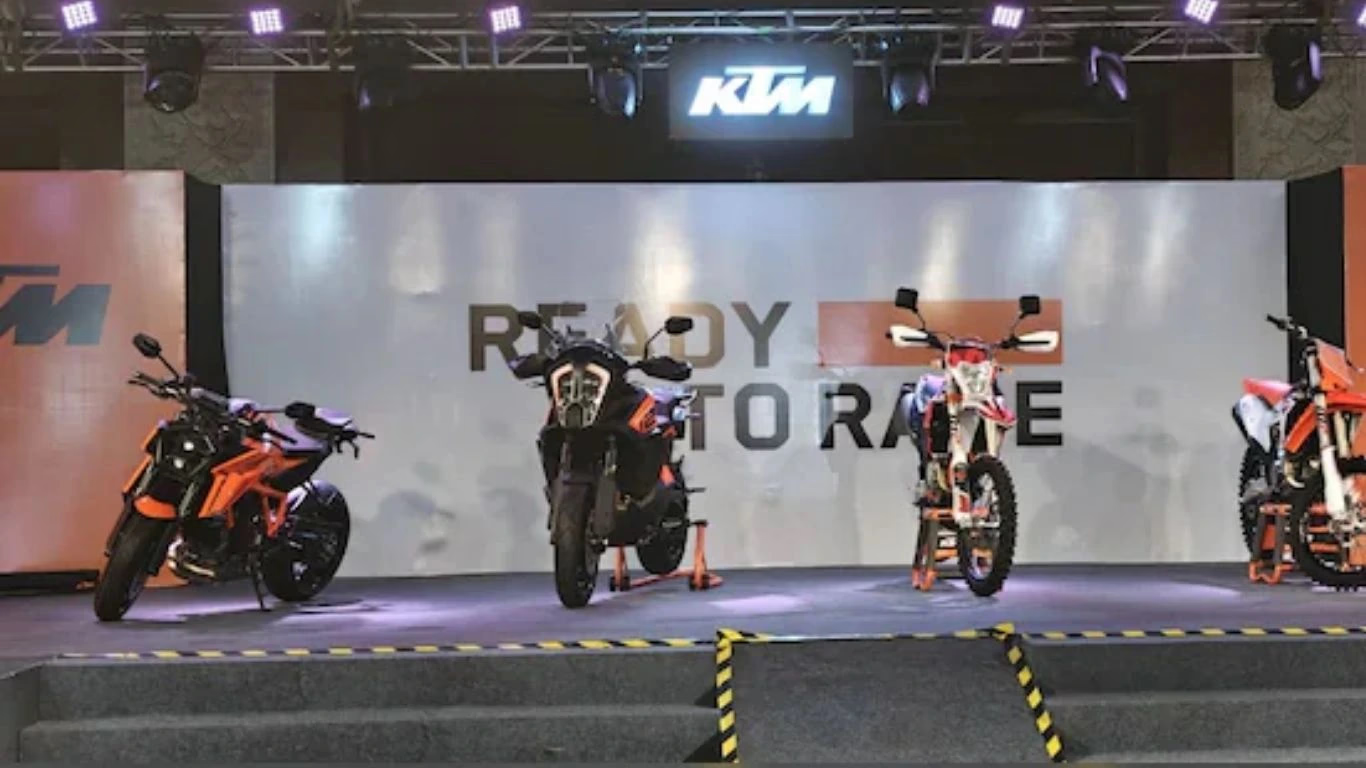
In a bold stride towards curbing India's alarming road fatality rates, the Ministry of Road Transport and Highways (MoRTH) has mandated Anti-lock Braking Systems (ABS) on all new two-wheelers from January 1, 2026, extending to every engine capacity, including scooters and entry-level bikes. This landmark regulation, previously limited to models above 125 cc, addresses brake skidding, a key factor in two-wheeler crashes that claim thousands of lives annually.
Complementing ABS, dealerships must supply two Bureau of Indian Standards (BIS)-certified helmets with every purchase, one for the rider and one for the pillion, enforcing head protection from day one. These changes target the sub-125cc segment, which dominates 80% of sales, promising up to 35-45% accident reduction per global studies adapted to Indian conditions.
Core Safety Mandates

The ABS requirement applies universally to new L-category two-wheelers manufactured post-January 1, 2026, conforming to IS 14664:2010 standards. Single-channel ABS will likely dominate budget models, preventing wheel lockup on wet or gravel roads while preserving steering control. Helmets must meet BIS specifications, combating counterfeit gear in the market.
Market and Cost Implications
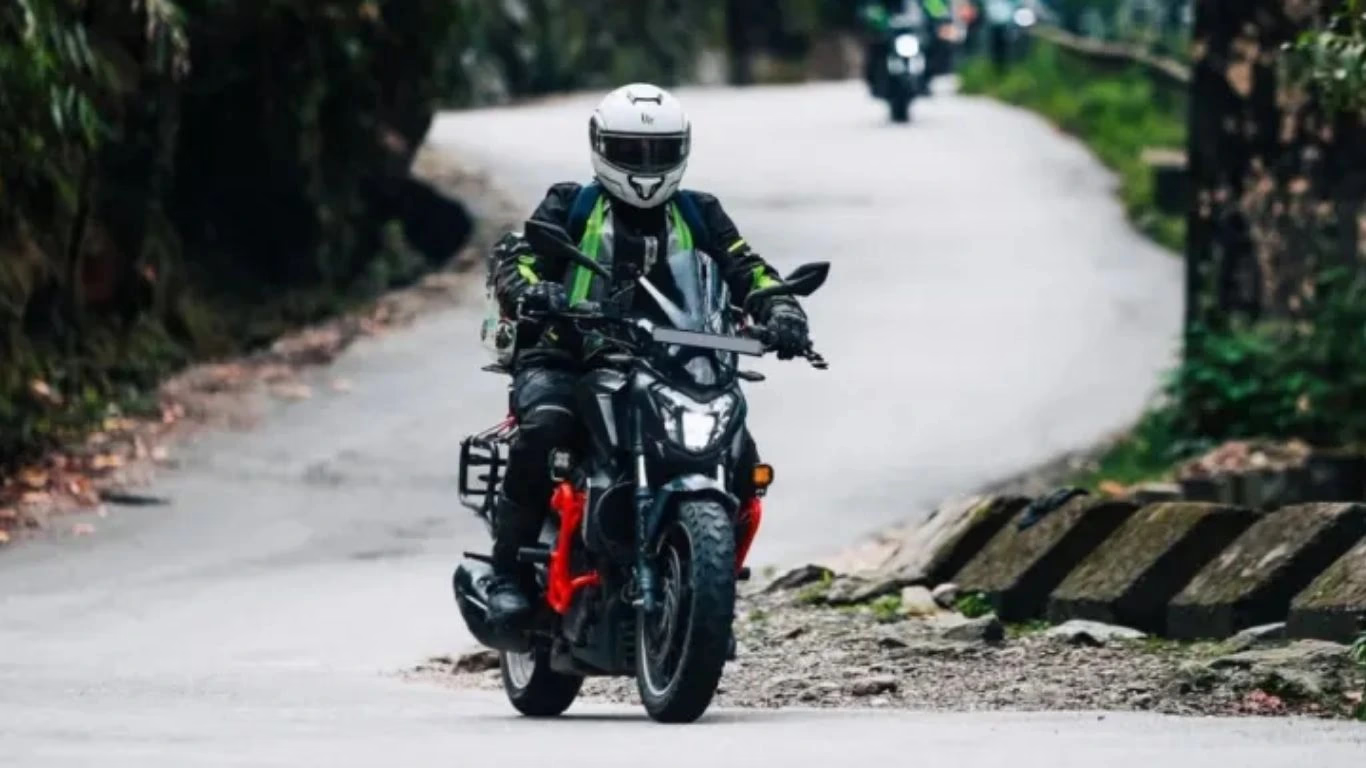
Entry-level bikes priced around Rs 60,000-Rs 1 lakh could see 3-5% hikes, or Rs 6,000-Rs 10,000, due to ABS hardware and front disc upgrades. Giants like Hero MotoCorp, Honda, TVS, Bajaj, and Suzuki face retooling for mass production, potentially straining supply chains amid festive demand. Yet, economies of scale from high volumes may temper long-term costs.
Manufacturers have mobilized since the mid-2025 drafts, testing prototypes for compliance without compromising affordability. Single-channel systems suit cost-sensitive commuters, though premium bikes may adopt dual-channel variants. Challenges include skilled labor for assembly and raw material sourcing, but PLI schemes offer incentives for localization.
Also Read: Upcoming Bikes Set to Launch in India 2026: What Riders Can Expect
Broader Road Safety Impact
Two-wheelers contribute over 40% of India's road deaths; ABS could slash skids, while mandatory helmets tackle 50% of fatal head injuries. Aligned with Vision Zero. These rules signal a safety-first era, urging riders to embrace tech upgrades. As 2026 dawns, expect cleaner showrooms and safer streets nationwide.
Conclusion
As 2026 unfolds, these transformative rules herald a safer era for India's 200 million-plus two-wheeler riders, blending cutting-edge tech with practical safeguards to outpace rising fatalities. Will manufacturers deliver affordable innovation amid price pressures? Riders, gear up; your next bike isn't just transport; it's a lifeline.


You May Like




Find your perfect bike

Brand

Budget

Body Type

Fuel

Mileage

More
Latest Bike Videos


Other Bike News
Listen to Bike Audios