Ad
Difference between Synthetic and Conventional engine oils.
Share via:
Follow Us:


8,000 Views
Updated on:17-Apr-2023 05:19 PM
8,000 Views

Follow Us:
Know the benefits and drawbacks of synthetic and conventional engine oils for your vehicle. Select the optimal oil for your engine and enhance its efficiency.
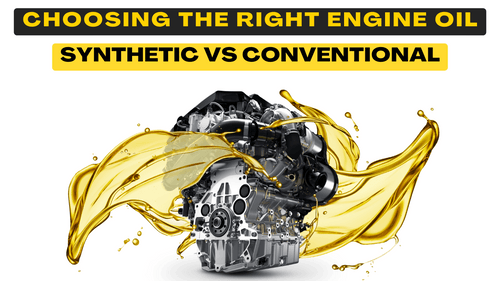
But shouldn’t you be knowing that too? Well, if you did, think of the topics you and your mechanic can have in common and you might even have a stronger bond with him/ her. Maybe even better than your best friend.
And then you could be the one making the ‘right’ decisions, even before your mechanic has any suggestions for you.
When it comes to choosing the right engine oil for your vehicle, there are two main types: Synthetic and Conventional oil.
Now, let's understand what makes them different.
1. Composition:
Conventional oil is derived from crude oil, which undergoes a refining process to remove impurities. This refining process of conventional oil involves separating the crude oil into various components based on their boiling points.
On the other hand, Synthetic oil is artificially made through chemical processes, which create a more uniform molecular structure than conventional oil. It is specially designed to provide better resistance to oxidation, which is the chemical reaction that occurs when oil reacts with oxygen.
2. Performance:
Ad
Ad
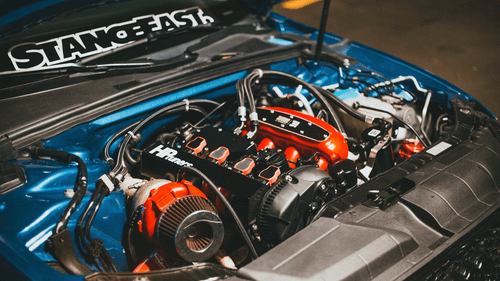
The refining process of Conventional oil removes the contaminants, making it suitable for use in vehicle engines. While conventional oil is a reliable option, it can be expected to perform at an ordinary level, in extreme temperatures and under high-performance conditions.
Whereas, Synthetic oil is more resistant to viscosity breakdown, which means it maintains its thickness better than conventional oil in severe temperatures, and results in better performance and protection for high-performance engines.
Synthetic oils are also designed to withstand the demands of turbochargers, making them the ideal choice for maintaining peak performance in your turbocharged vehicle.
3. Engine Protection:
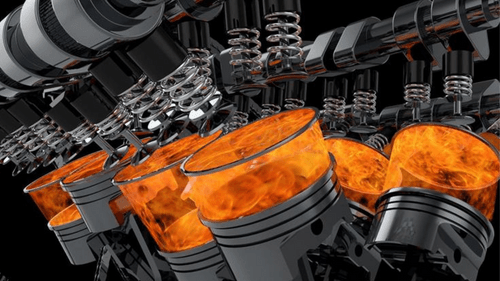
The engine parts of a car move at high speeds and are in constant contact with each other, which can cause wear and tear over time, especially in intense environments. To protect these moving engine components, motor oil acts as a barrier between the metal surfaces, reducing friction and preventing damage to the engine. This is where the Synthetic oil shines the best.
Synthetic oil is also vital for the smaller engines with turbochargers. To ensure proper lubrication and protection, Synthetic oils flow faster to critical engine parts, while conventional oils break down quickly under turbocharged conditions.
4. Compatibility:
While synthetic oil is generally considered superior to conventional oil, not all vehicles are compatible with it. Some older vehicles had a traditional approach to make their engines, so may require the traditional oil (conventional) to make it run better. Thus, those vehicles may require conventional oil or may experience leaks or other issues if synthetic oil is used.
Therefore, it's important to consult the owner's manual or a trusted mechanic before making the switch to synthetic oil.
5. Oil Changing Intervals:
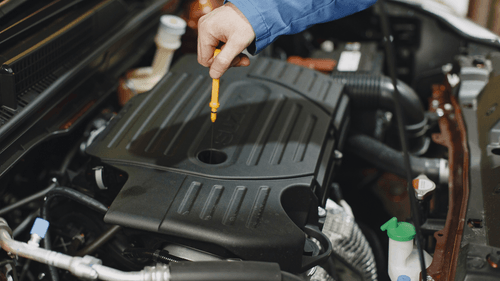
Synthetic oil provides longer intervals between oil changes, as compared to conventional oil. Where conventional oil is rated to last between 5000 to 8000 kilometers, synthetic oil is rated to be between 15,000 to 25,000 kilometers.
However, these manufacturer recommended ratings are based on "normal driving" conditions and may not apply to severe driving conditions that require more frequent oil changes.
If you have a short daily commute and don't drive on highways, your engine may not heat up enough to evaporate the condensation that builds up in the system. As a result, your oil may break down more quickly, requiring more frequent oil changes. In such cases, it's a good idea to change your oil more often than the rated mileage recommendations.
Summary:
Pros of Synthetic Oil:
- Provides superior engine protection and performance
- More chemically stable
- Resists breakdown under extreme temperatures and heavy loads
- Lasts longer, meaning fewer oil changes and less waste
- More environmentally friendly due to longer change intervals
Cons of Synthetic Oil:
- Typically more expensive than conventional oil
- Not universally compatible with all engines, particularly older or high-mileage engines
- Can cause leaks in some engines due to its superior cleaning and deposit-removing abilities.
Pros of Conventional Oil:
- Generally cheaper than synthetic oil
- Widely available and compatible with all engines
- Adequate for engines under normal driving conditions
Cons of Conventional Oil:
- Requires more frequent oil changes than synthetic oil
- Can break down more quickly under extreme temperatures and heavy loads
- Less effective at protecting against engine wear and tear than synthetic oil
Follow Us:



More Articles
2026 MG Hector Facelift vs 2025 MG Hector: Differences Explained
The 2026 MG Hector Facelift brings sharper styling, enhanced tech, wider standard safety, and more aggressive pricing versus the 2025 MG Hector.
17-Dec-2025 06:30 AM
Read Full Article2026 MG Hector Facelift vs 2025 MG Hector: Differences Explained
The 2026 MG Hector Facelift brings sharper styling, enhanced tech, wider standard safety, and more aggressive pricing versus the 2025 MG Hector.
17-Dec-2025 06:30 AM
Read Full Article
How to Maintain Your Electric Bike or Scooter in India: A Beginner Care Guide
Learn easy, practical tips to maintain your electric bike or scooter in Indian conditions. From battery care to tyre checks, this beginner guide helps you extend EV life, safety, and performance.
05-Dec-2025 01:53 PM
Read Full ArticleHow to Maintain Your Electric Bike or Scooter in India: A Beginner Care Guide
Learn easy, practical tips to maintain your electric bike or scooter in Indian conditions. From battery care to tyre checks, this beginner guide helps you extend EV life, safety, and performance.
05-Dec-2025 01:53 PM
Read Full Article
Best Electric Scooters with Removable Batteries in India 2025: Your Easy Guide
Discover the best electric scooters in India with removable batteries - easy swaps, home charging, and zero range worries. Top picks, tips, and why they're a smart, eco-friendly commute upgrade!
05-Dec-2025 01:07 PM
Read Full ArticleBest Electric Scooters with Removable Batteries in India 2025: Your Easy Guide
Discover the best electric scooters in India with removable batteries - easy swaps, home charging, and zero range worries. Top picks, tips, and why they're a smart, eco-friendly commute upgrade!
05-Dec-2025 01:07 PM
Read Full Article
Ultimate Electric Bike & Scooter Buying Guide in India
Verify real-world range, battery warranty, and charging time. Check licence and registration rules, confirm service and spare availability, and ask about subsidies or finance. Take a test ride and inspect the battery and charger before final payment.
05-Dec-2025 12:08 PM
Read Full ArticleUltimate Electric Bike & Scooter Buying Guide in India
Verify real-world range, battery warranty, and charging time. Check licence and registration rules, confirm service and spare availability, and ask about subsidies or finance. Take a test ride and inspect the battery and charger before final payment.
05-Dec-2025 12:08 PM
Read Full Article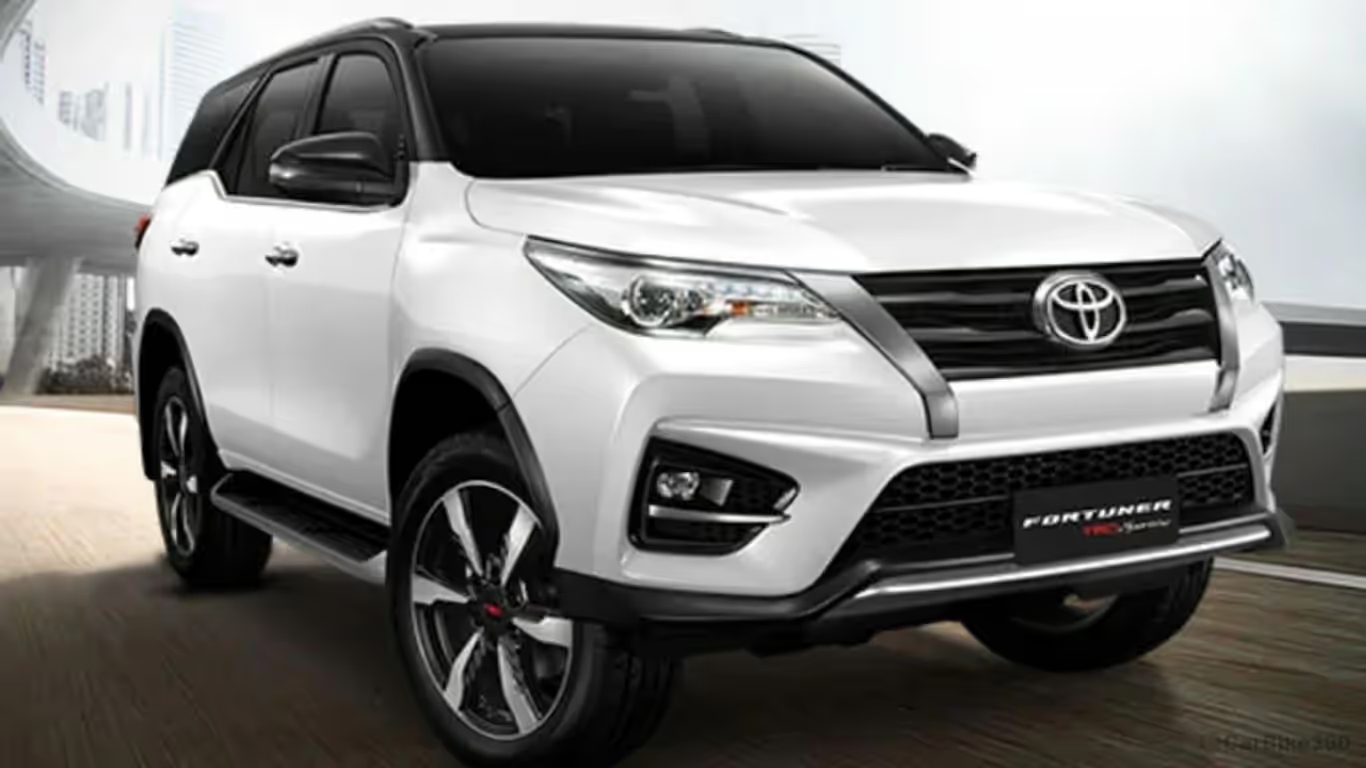
Used Toyota Fortuner: Why This Mammoth From Toyota Is Good for Lakhs of Kilometres
Toyota Fortuner has been one of the best-selling SUVs in India. Explore why the Toyota Fortuner has been the best choice for consumers for travelling lakhs of kilometers.
03-Dec-2025 06:09 AM
Read Full ArticleUsed Toyota Fortuner: Why This Mammoth From Toyota Is Good for Lakhs of Kilometres
Toyota Fortuner has been one of the best-selling SUVs in India. Explore why the Toyota Fortuner has been the best choice for consumers for travelling lakhs of kilometers.
03-Dec-2025 06:09 AM
Read Full Article
TVS-BMW Alliance Entered a New Era: F 450 GS Production Starts in India
TVS and BMW celebrate producing 200,000 motorcycles together. The milestone marks a decade of successful collaboration, delivering popular models and expanding their global presence in the sub-500cc segment.
28-Nov-2025 07:29 AM
Read Full ArticleTVS-BMW Alliance Entered a New Era: F 450 GS Production Starts in India
TVS and BMW celebrate producing 200,000 motorcycles together. The milestone marks a decade of successful collaboration, delivering popular models and expanding their global presence in the sub-500cc segment.
28-Nov-2025 07:29 AM
Read Full ArticleAd






Cars In India

MG Hector Plus
₹ 17.29 - 19.49 Lakh

MINI Cooper S Convertible
₹ 58.50 Lakh

Mahindra XEV 9S
₹ 19.95 - 29.45 Lakh

Tata Sierra
₹ 11.49 - 21.29 Lakh

Porsche Cayenne EV
₹ 1.76 - 2.26 Cr

Kia New Seltos
₹ 10.99 - 20.80 Lakh

Mahindra 7XO
₹ 14.00 - 26.00 Lakh

Maruti e Vitara
₹ 20.00 - 25.00 Lakh

Nissan Gravite
₹ 6.20 - 9.00 Lakh

Hyundai Ioniq 5 Facelift
₹ 36.37 - 46.36 Lakh
Ad
Ad