ELECTRIC
India Is Ready To Propose Major Tariff Cuts on Car Imports in Bold EU Trade Pact Push
 Add CarBike360 on Google
India's bold EU trade pact eyes 40% car import tariffs, opening doors for premium Europeans while challenging local giants like Tata. A game-changer for EVs and luxury buyers.

Jan 27, 2026 06:49 am IST
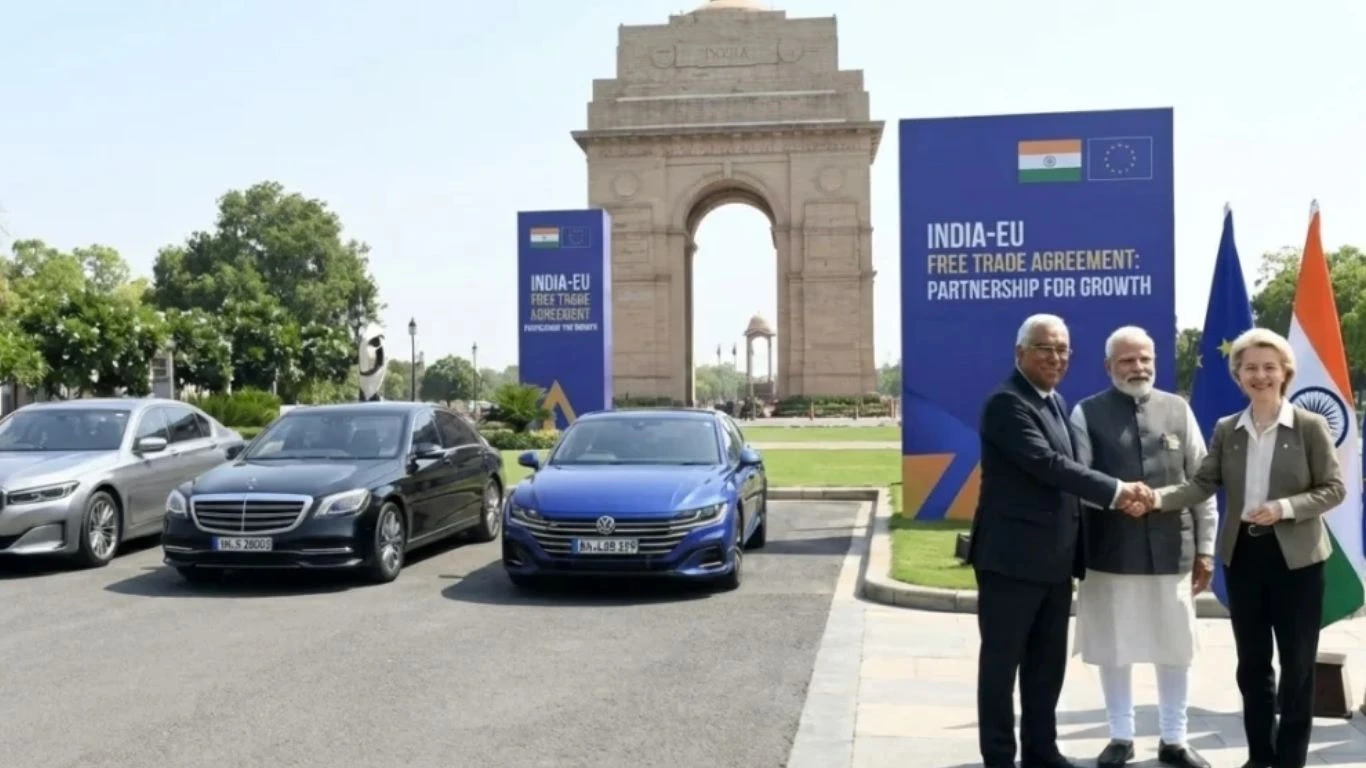
India is gearing up for a game-changing shift in the history of the Indian automotive landscape. After a long hiatus of negotiations, India and the European Union (EU) are reportedly on the verge of closing and announcing a landmark Free Trade Agreement (FTA). Under the terms of this new FTA, the country plans to slash car import tariffs from the current steep 70-100% to just 40%. This move could open major backend doors for premium European brands, shaking up the Indian domestic market.
According to Reuters, officials aim to finalize the pact by late 2026, balancing local manufacturing growth with global competitiveness. For car enthusiasts and industry watchers, this spells excitement, as we might see more reductions planned in the coming years. Let’s check out what possible highlights might make greater changes to the Indian automotive market.
Key Highlights:
- New updates about the India-EU FTA could be announced by January 27, 2026.
- With this FTA, European cars priced above 15,000 euros might qualify for a 40% tariff in limited numbers.
- No-import duty reductions for EVs for 5 years
India-EU FTA Details Breakdown
The announcement about the India-EU FTA may come as a revolutionary milestone for the Indian automobile market. This might reduce the import duties on the limited tariffs on limited quantities of EU-made cars priced above Rs 15,000, which will come down to 40% from the prior 110%. Luxury marques like Mercedes-Benz, BMW, and Audi could price their flagships more competitively.
This tariff might align with India's push for electric mobility. EU partners bring cutting-edge battery tech and green manufacturing know-how, which could supercharge local EV adoption. Several European brands are likely to benefit from the FTA norms. Models like BMW, Volvo, and Skoda Octavia RS versions always come to India as the CKD route will now come under the new FTA rules.
Impact on Local Players
Tata Motors and Maruti Suzuki, who dominate with affordable, homegrown models, see this as a wake-up call. Lower tariffs might erode their edge in the luxury segment, but they could also spark joint ventures. Analysts predict a 15-20% dip in import costs, boosting sales of premium vehicles.
Beyond passenger cars, the pact is poised on commercial vehicles and two-wheelers too. India's bustling scooter market led by Hero and Bajaj, could welcome sleeker European designs, fostering tech transfers in safety and emissions.
Also Read: New Traffic Rules 2026: 5 Traffic Offences in a Year Can Now Cancel Your Driving License
National Impact
Job creation is another angle. While imports rise, EU investments in Indian plants for assembly and R&D. The Automotive Component Manufacturers Association of India (ACMA) backs the move, eyeing export boosts to European sales. The EU must ease non-tariff barriers for Indian pharma and textiles. With elections looming, PM Modi's team treads carefully, framing this as "Atmanirbhar meets global synergy."
Conclusion
For you, the buyer, 2027 could bring dream cars at dreamier prices. A BMW iX might be priced at Rs 20-30 lakh off its tag, making EVs viable for urban families. India's FTA with the UAE already cut duties on gold, and electronics and cars could be next.


You May Like


Find your perfect car

Budget

Brand

Body Type

Fuel

Mileage

More
Latest Car Videos


Top Auto News of the Week: Tata Sierra EV, BMW X6, E85 Fuel & More - Weekly Wrap

Top Auto News of the Week | Hyundai i20 Leak, Honda ZR-V, Tata Sierra EV, Skoda EV & More!

Talking about new Honda City and upcoming ZR-V SUV with Honda India’s Kunal Bahl!
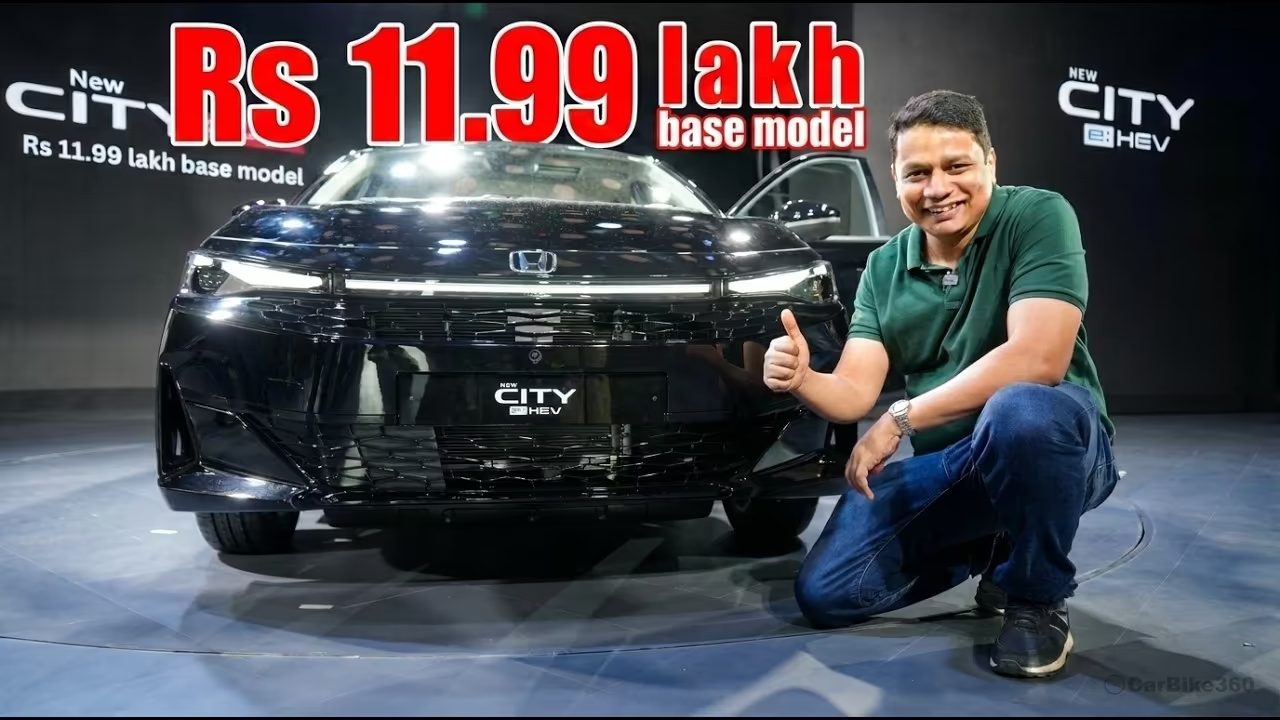
2026 Honda City Launched in India - Better than VW Virtus, Hyundai Verna & Skoda Slavia?
Other Car News
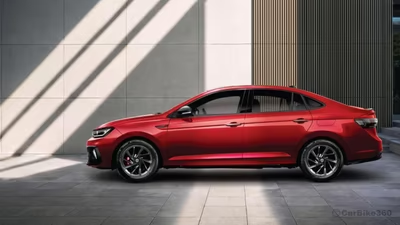
Volkswagen India introduces Virtus sedan anniversary offers with new finance schemes
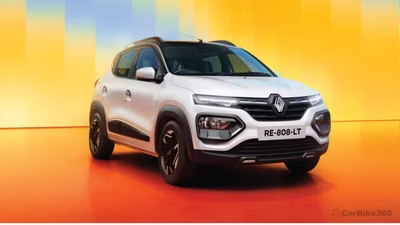
2026 Renault Kwid Facelift launched in India at Rs 4.53 lakh
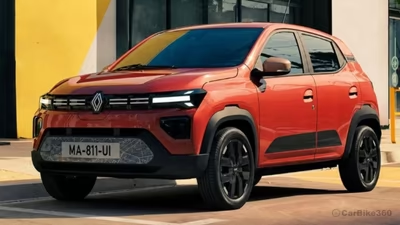
2026 Renault Kwid Facelift launching today: Here’s everything you need to know
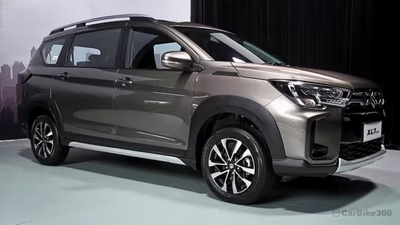
Maruti Suzuki XL7 Facelift India launch expected by year end with new design and features
Listen to Car Audios