ELECTRIC
Musk-Trump Alliance Could Shift Tesla’s India Plans Amid Growing Local EV Competition
 Add CarBike360 on Google
As Elon Musk’s ties with US President-elect Trump spark speculation on Tesla’s India entry, local automakers like Tata and Mahindra surge ahead in the booming EV market.

By prayag
Dec 02, 2024 05:51 am IST
In a dramatic turn of events, Tesla CEO Elon Musk’s close ties with US President-elect Donald Trump are raising the possibility of a significant shift in US-India relations, particularly in the electric vehicle (EV) sector. Musk, who is set to play a prominent role in Trump’s administration, could influence US policy to pressure India into offering more concessions for Tesla’s long-delayed entry into the Indian market. However, the Indian EV landscape has evolved significantly, with local automakers launching competitive models and making Tesla’s entry increasingly challenging.
Tesla’s Waning Interest in India
Tesla’s relationship with India has been fraught with delays and uncertainty. Musk’s planned April visit to India, which included a meeting with Prime Minister Narendra Modi, was abruptly canceled, citing company priorities. The visit was intended to explore the feasibility of Tesla entering the Indian market under a new EV policy that lowered import taxes for foreign manufacturers willing to invest ₹4,150 crore ($497 million) and establish local production within three years.
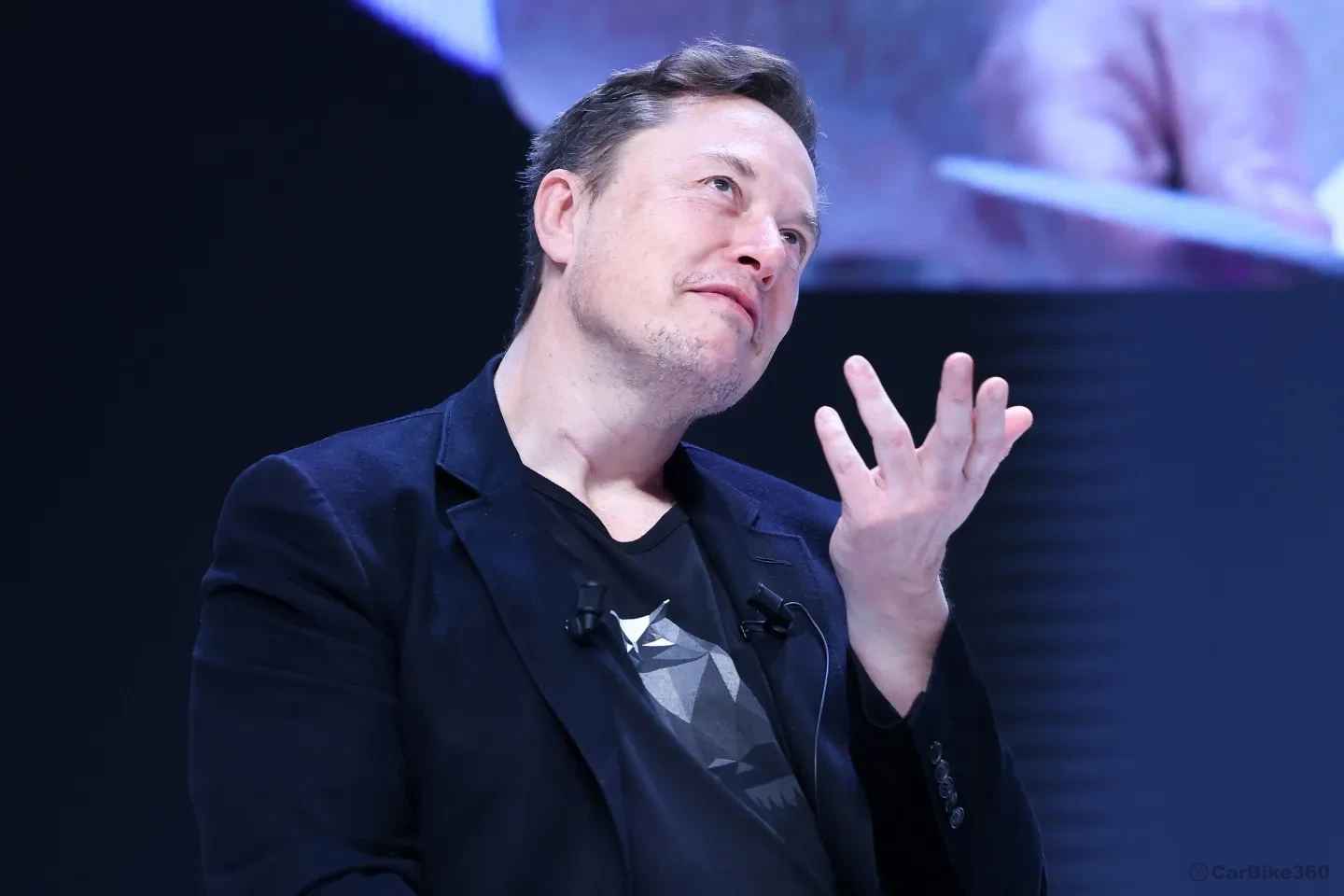
Despite these incentives, Tesla has since gone silent, with no follow-up from its executives after Musk’s canceled trip. According to sources, the Indian government understands that Tesla may not have the capital bandwidth to pursue new investments in the country, especially as it grapples with falling global deliveries and mounting competition in China and Europe. In the third quarter of 2024, Tesla reported a second consecutive decline in quarterly deliveries, raising fears of its first-ever annual dip in sales.
Local EV Makers Surge Ahead
While Tesla dithers, Indian automakers are racing ahead to capitalize on the burgeoning EV market. Mahindra & Mahindra recently unveiled its Born Electric range, featuring the BE 6e and XEV 9e SUVs. Built on the advanced ‘INGLO’ platform, these vehicles boast a range of up to 500 km and fast-charging capabilities that enable a 20-80% charge in just 20 minutes. The BE 6e, starting at ₹18.9 lakh (ex-showroom), offers affordability and innovation, making it a strong contender in both Indian and international markets.
Similarly, Tata Motors continues to dominate the passenger EV segment with its newly launched Curvv ev and an extended-range Nexon ev, aimed at appealing to lifestyle-focused buyers. Tata’s market strategy, coupled with its competitive pricing, ensures it remains the leader in India’s growing EV sector.
JSW MG Motor India is also making waves with its Windsor EV, the first in India to offer a “Battery as a Service” (BAAS) model. By decoupling the battery cost from the vehicle price, Windsor has emerged as the top-selling green car in October 2024, selling 3,116 units. This innovative pricing model addresses affordability concerns and highlights the potential of alternative ownership strategies in India’s cost-sensitive market.
Challenges for Tesla in India
India’s domestic EV market is no longer the untapped territory it once was. Established players like Tata and Mahindra, along with newcomers such as JSW MG, have already carved out significant market share. With a growing range of mid-sized SUVs and innovative battery technologies, Indian automakers are well-prepared to compete with global giants.
Even the government is stepping up its efforts to attract foreign EV investments. A new workshop for stakeholders is planned to refine the Scheme to Promote Manufacturing of Electric Passenger Cars in India (SPMEPCI). While the scheme initially sought to lure Tesla with reduced import duties, its tepid reception suggests further adjustments may be necessary.
The Musk-Trump Factor
Musk’s alliance with President-elect Trump adds an intriguing dimension to the Tesla-India equation. As part of Trump’s administration, Musk may leverage his influence to push for policies that favor US automakers in India. However, such pressure could face resistance from Indian policymakers, who are keen to support domestic manufacturers and reduce reliance on imports.
Conclusion
With Tesla’s future in India hanging in the balance, the country’s domestic EV makers are seizing the opportunity to strengthen their foothold. Even if Musk and Trump succeed in securing concessions for Tesla, they will find a highly competitive and rapidly maturing market waiting for them. For Tesla, the question is no longer just when to enter India but whether it can still dominate in a market where the game has already begun.
Also Read: A Comprehensive Showcase of India's Evolving Automotive Landscape in Auto Expo 2025.


You May Like


Find your perfect car

Budget

Brand

Body Type

Fuel

Mileage

More
Latest Car Videos

Other Car News

Listen to Car Audios