ELECTRIC
World’s First Armoured Automobile- The Motor War Car
 Add CarBike360 on Google
An armoured car is a robust military vehicle with an armour plating that can survive bullets and artillery during a military operation.

Mar 27, 2023 10:18 pm IST
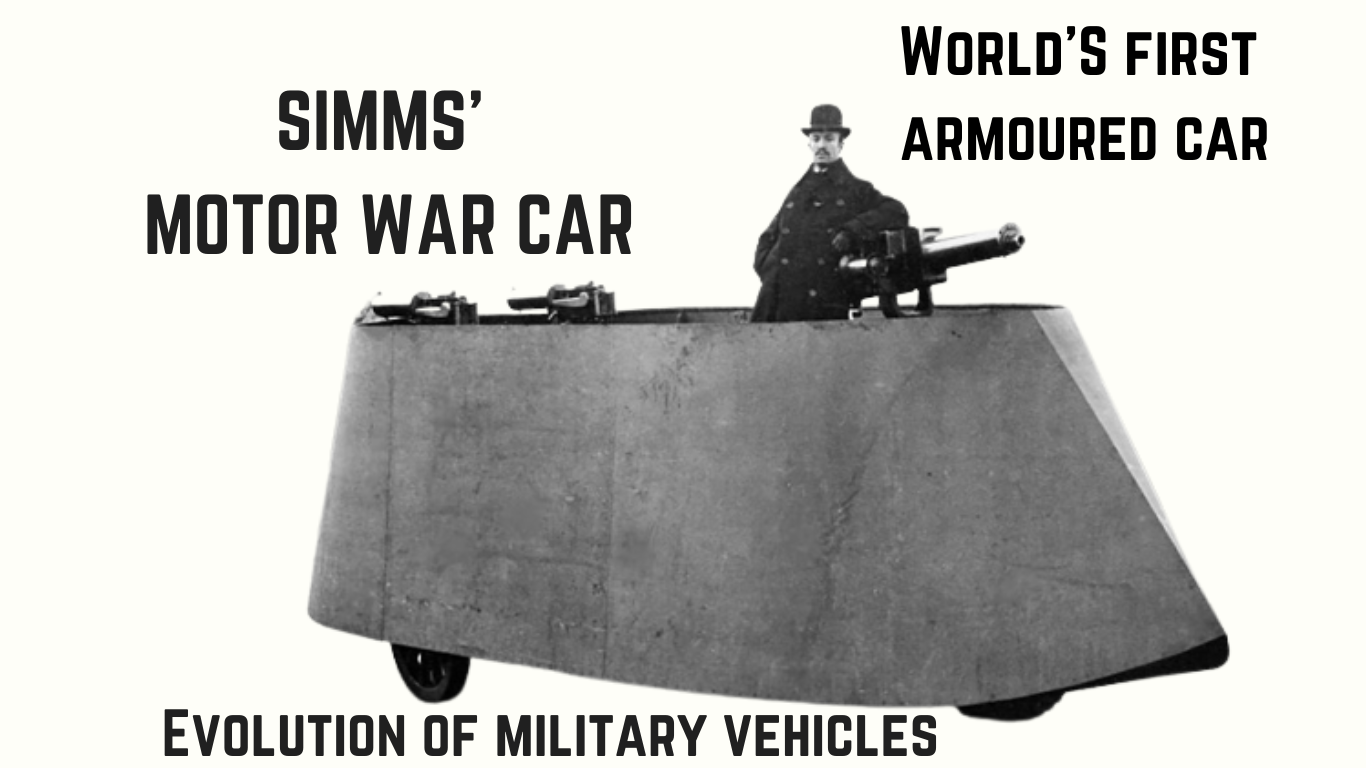
An armoured vehicle provides protection to the military personnel against fire, shell fragments and many other harmful projectiles during warfare. Armoured vehicles play a major role in intimidating the enemy, apart from providing security to the soldiers in the battlefield.
Military vehicles today have bulletproof glass and armour plating to provide various levels of protection to the personnel. They are equipped with exceptional engineering tricks to keep the occupants safe in its confines.
An armoured vehicle, covered with layers of hard metal to protect from fire and shrapnel is fundamental for military operations today, but there was a time when a vehicle with armour was beyond belief.
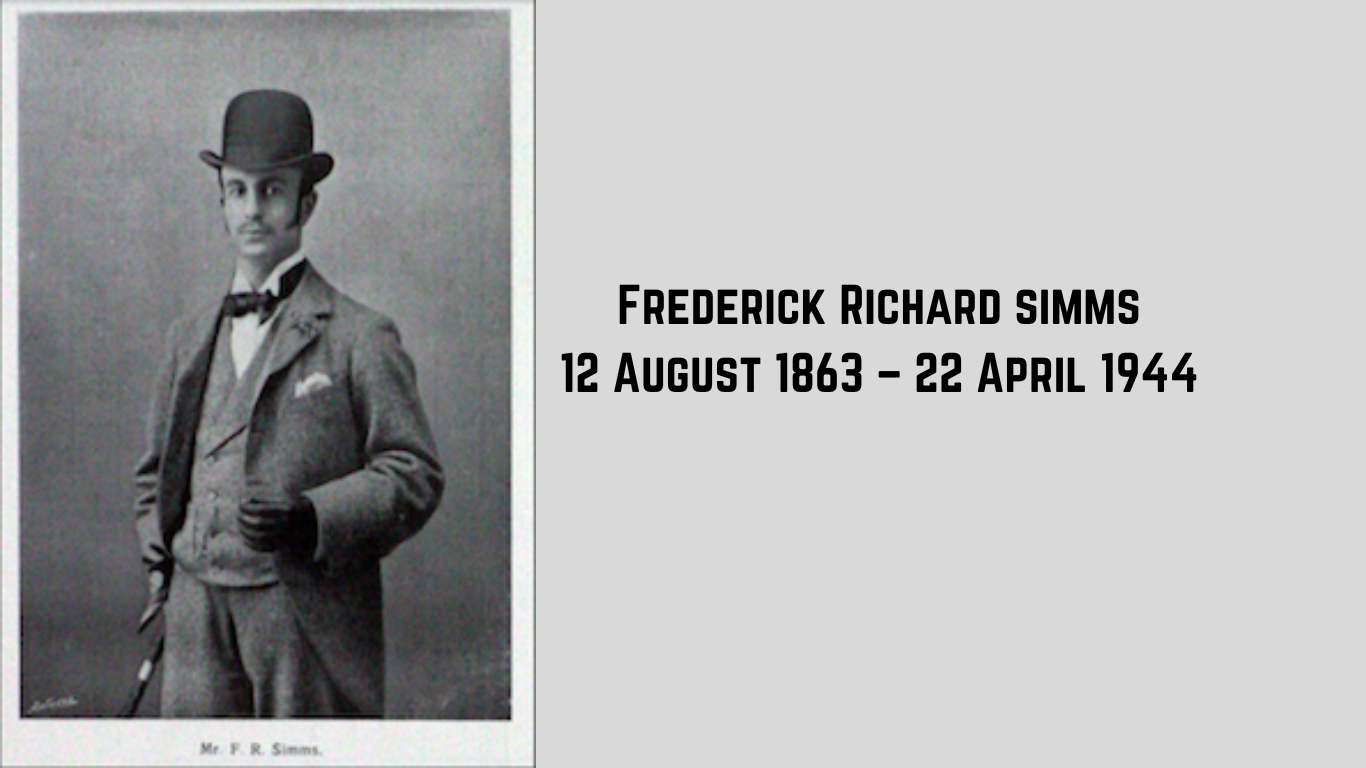
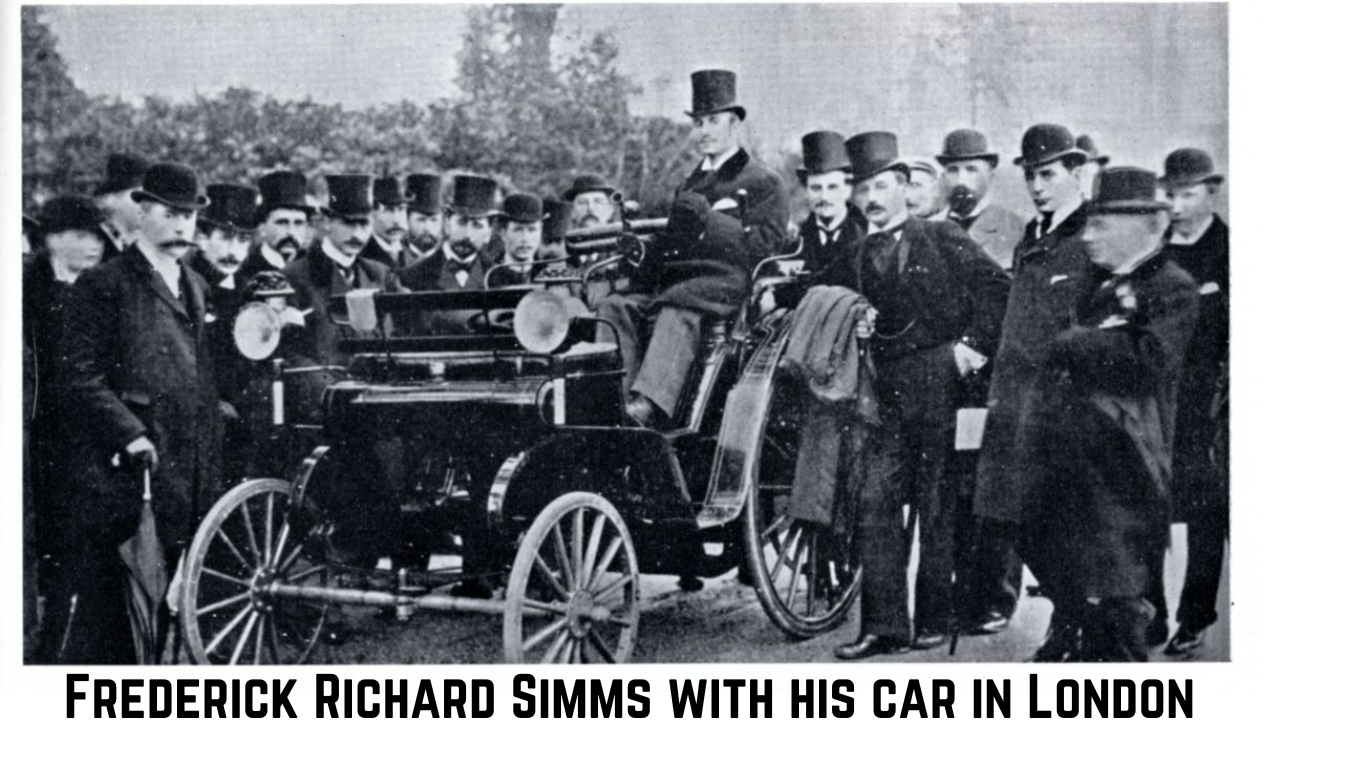
Winds of change started in the late nineteenth century, when Mr. Frederick Richard Simms, a pioneer of the Motor world, introduced the first armoured car to the world. Designed to be operated by a crew of four men, it was called Simms’ Motor War Car.
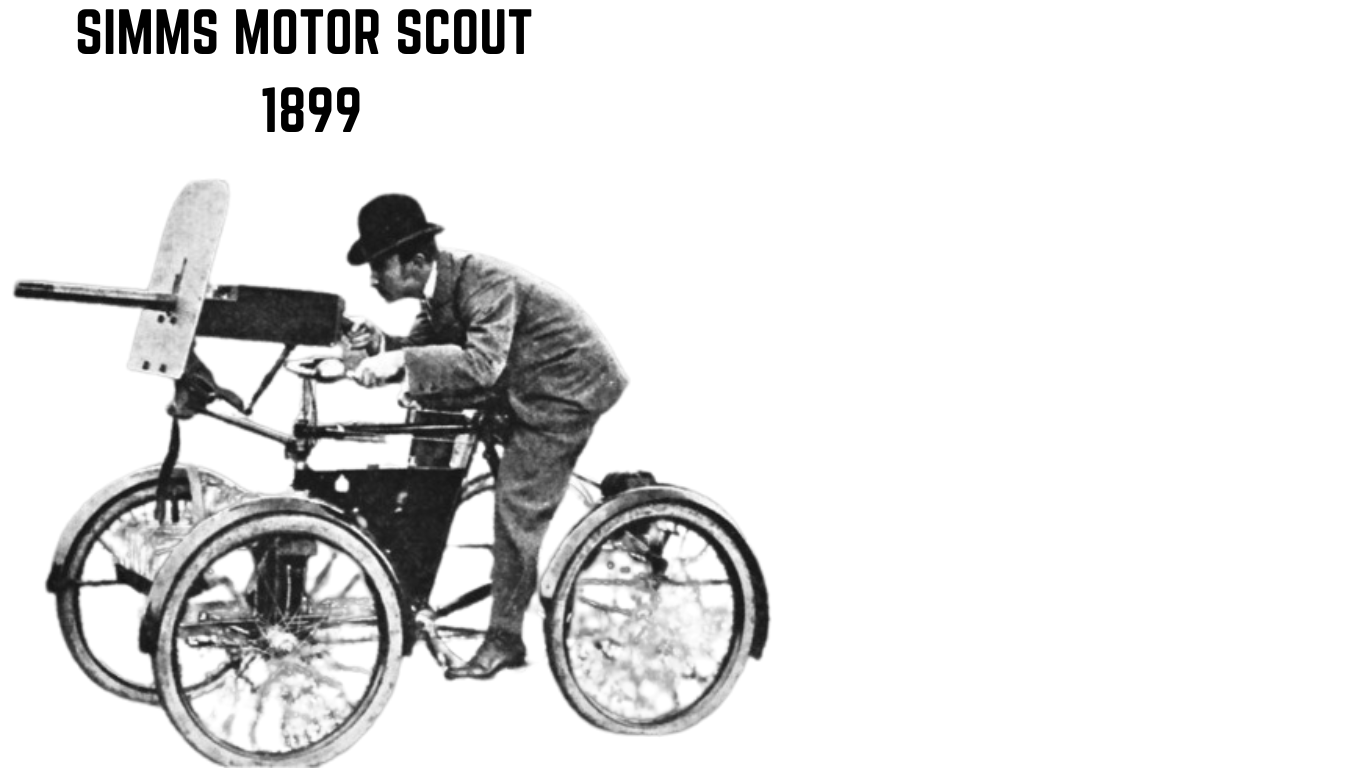
Simms Motor War Car was an improved version of Simms's earlier design, known as the Motor Scout, which was the world’s first armed vehicle. Simms was a visionary who was way ahead of his time and had created Motor Scout during the time when machine guns were new in the army and motor cars were a rare sight.
In this article, we will find out more about Simms’ Motor War Car, The World’s First Armoured Automobile.
Frederick Richard Simms - The Father of the British Motor Industry
Frederick Richard Simms, was born in Hamburg, Germany in August 1863 to Louis Simms and Antonia née Hermans. He completed his education in Berlin.
Simms befriended the famous German engineer Gottlieb Daimler in the year 1889 when he was 26 years old.
Gottlieb Wilhelm Daimler was a German engineer and was a pioneer of internal-combustion engines and automobile development. Simms purchased the rights for the use and manufacture of Daimler's high-speed petrol engine in the year 1890. Thereafter, he moved to London and established himself as a motor engineer.
Simms was appointed as a consulting engineer to the newly formed British Motor Syndicate (BMS) under Harry Lawson in the year 1896.
The Making of The Royal Automobile Club
In February 1896, Simms and Lawson founded the Motor Car Club. But soon, Simms started having disagreements with Lawson as the business practices followed by Lawson were questionable for him. Simms left The Motor Car Club in July 1897.
After leaving the Motor Car Club, Simms founded his own motor club, the Automobile Club of Great Britain which later became the Royal Automobile Club. In January 1898, Simms submitted a patent for his first design of military application, named ‘Improvements in Armouring or Protecting Surfaces against the Action of Projectiles’.
Just three months after the submission, in March 1898 Simms applied for a patent for a ‘Motor-driven Car for use in Warfare’, which later became the first armoured car of the world.
Second Boer War (11 October 1899 – 31 May 1902)
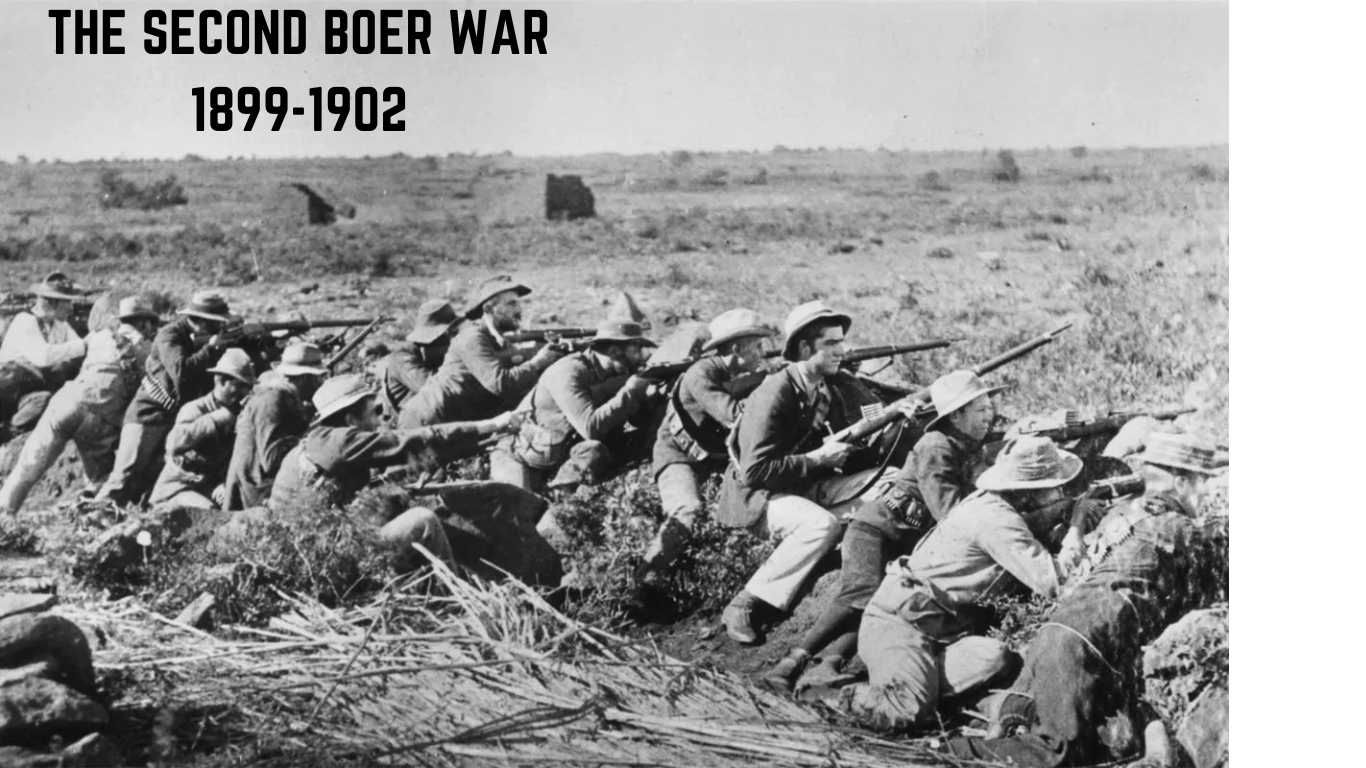
In 1899, Britain began engaging in the Boer War in South Africa. The imperial ambition of the British Empire and the desire of the Boers to maintain their independence had provoked the Boers to attack the colonial settlements in nearby British colonies. For the British Army, it was a bitter colonial war against the Boers in South Africa and though outnumbered, the Boers were determined to fight.
During that time, Frederick Richard Simms had already earned enough fame in the motor world by his famous invention, The Motor Scout, a four-wheeled bike which was armed with a machine gun. There was a lot of talk about Simms exceptional expertise in motorized vehicles. The British Army decided to hire Simms to build the very first fully armoured motorized vehicle for their troops. Armoured vehicles could provide protection to the troops from the front during the war.
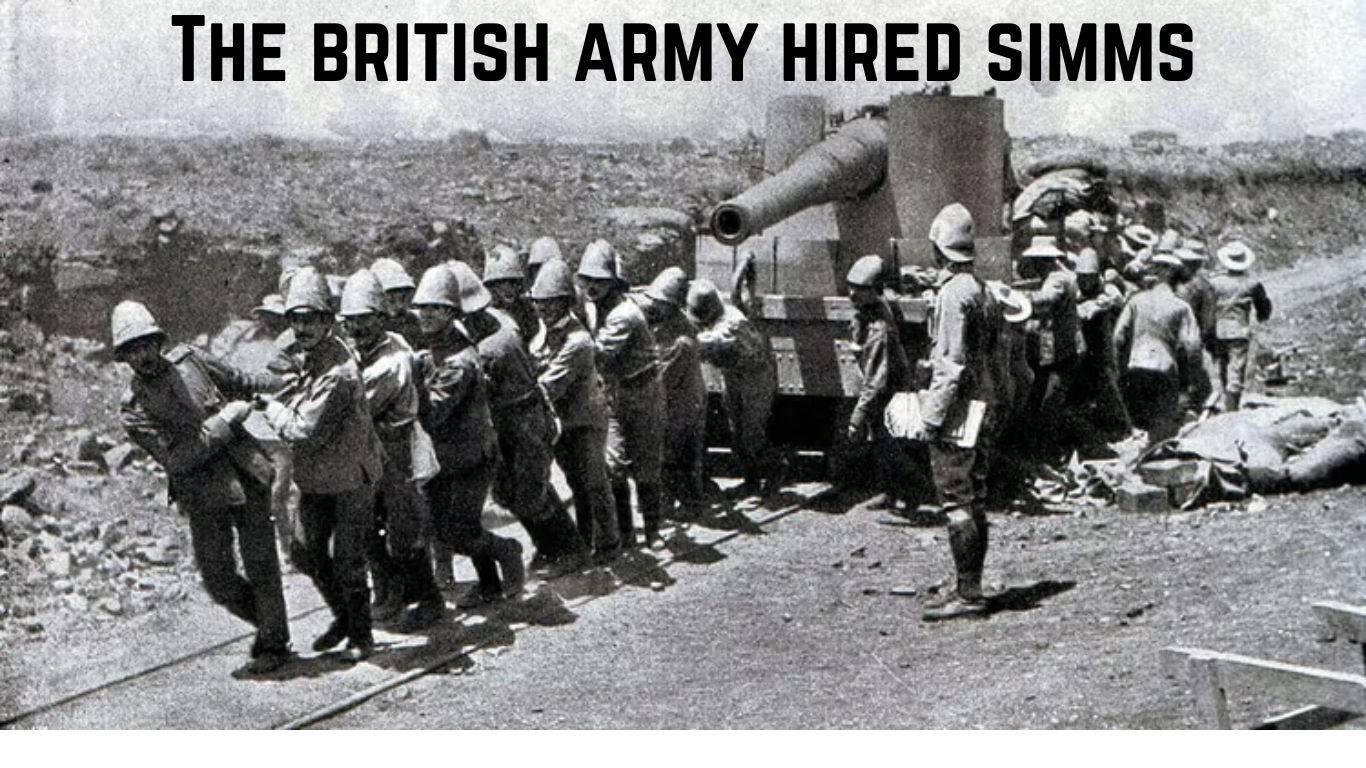
In order to accomplish the task, Simms started working with an armament supplier called Vickers. The actual vehicle on which the War Car was based was built by Simms’ own motor company but the armour was provided by Vickers’ firm. The armour plating was a bulletproof plate that had a thickness of 6mm.
The Motor War Car
Engine
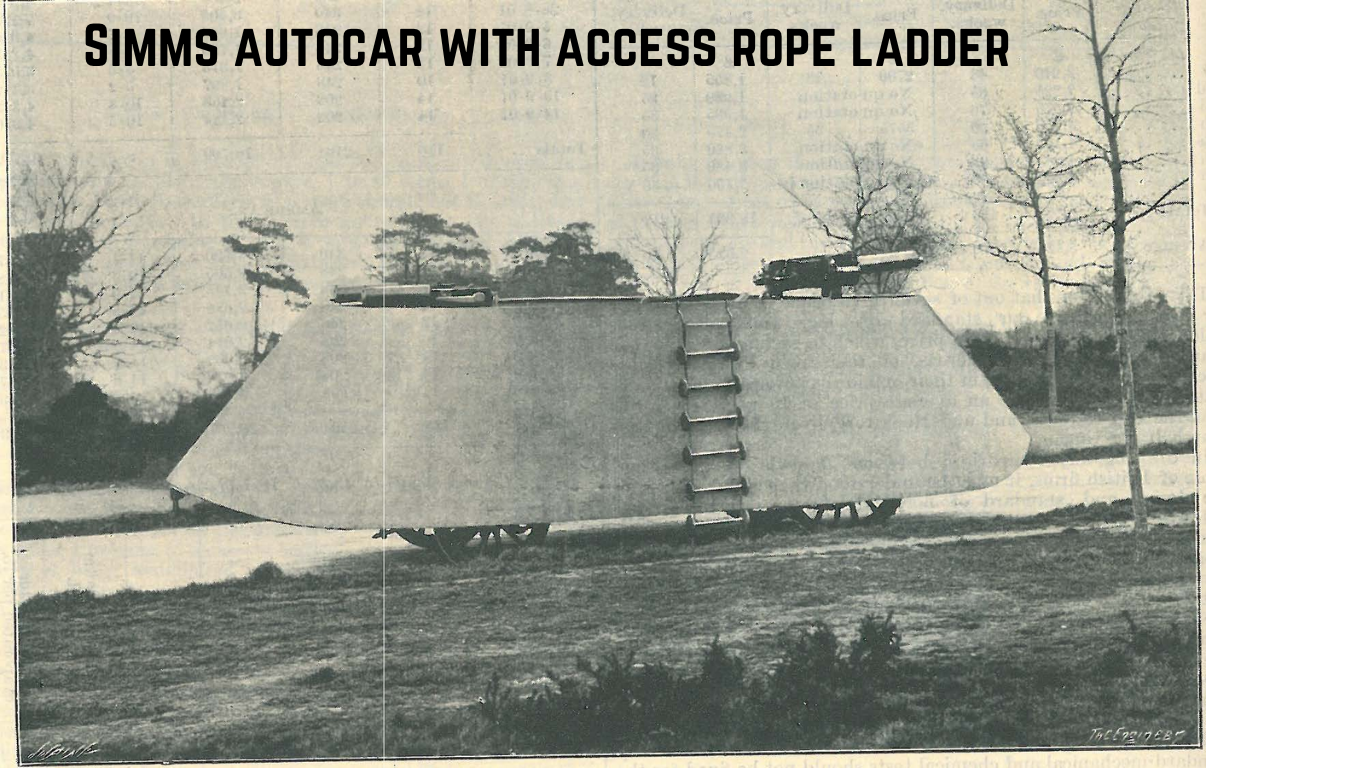
The vehicle was given German-English-built Daimler chassis and a 3.3-liter Daimler engine although Simms was clear that any suitable engine would suffice. The vehicle had Vickers armour 6 mm thick and the massive vehicle weighed 5.5 tons.
The petrol-powered motor that was tasked with propelling it forward, produced only 14hp of power. Due to this power to weight ratio, the vehicle had a top speed of only 9 miles per hour.
Other military trucks had been examined by the British Army, so it was reported at the time that if orders were obtained, that the engine may be switched from petrol to a standard heavy oil (diesel) type of engine instead.
Maxim Machine Guns
Like the Motor Scout, the Motor War Car was also fitted with Maxim Machine Guns. But in the Motor War Car, there were two machine guns and they could be turned 360 degrees.
Design
The design of the War Car, the greatest legacy of Simms, was based on a truck that was built by Simms’ own motor company.
Dimension
When fully loaded, the vehicle had a length of 28 feet, with a beam of 8 feet, a ram at each end, two turrets, and two guns. The vehicle could operate even on very rough surfaces.
Crew
The crew consisted of the driver who was called the Captain or the Commander, and three other members who were supposed to operate the guns. The prototype that was created allowed the Captain to focus completely on the driving while the other crew members could engage in operating the weapons. The driver had his task cut out due to his designated position being in the middle, no less than 14 feet from either end and visibility to the front was reduced. The visibility could get worse during firing.
Though the crew was required to have at least four members, the vehicle was capable of carrying up to a dozen men.
Protection
In order to provide protection to the occupants, the car was furnished on all sides with 6mm armour plating. The armoured wall stretched upwards up to 6 feet from the base of the axle. It was designed with care to provide the occupants proper cover from the shooters who fired from elevated positions.
Despite Simm’s using pneumatic tyres on his auto-cars and bikes, the wheels of the armoured car, as was common at the time, were of a wooden rim and spokes and fitted with a steel tyre for wear.
Gear
An accelerator was provided and it could take the machine to a top-speed of 25 mph (40 km/h). There was no provision of a reverse gear.
Brake
There was a second pedal to control the single foot brake that could be operated by disconnecting the clutch and braking the first gear shaft.
The Unfortunate Road Accident
Unfortunately for Simms, the militarized vehicle met with an on-road accident. A gearbox was destroyed during the accident and thereafter the vehicle started experiencing many technical difficulties. There was a transmission failure and the prototype took longer than expected to be made. The date of the armoured car had to be extended.
It was in the year 1902, that Vickers delivered the prototype of the Motor War Car and the car was ready to be assessed by the military.
Crystal Palace Motor Show exhibition, London, April 1902
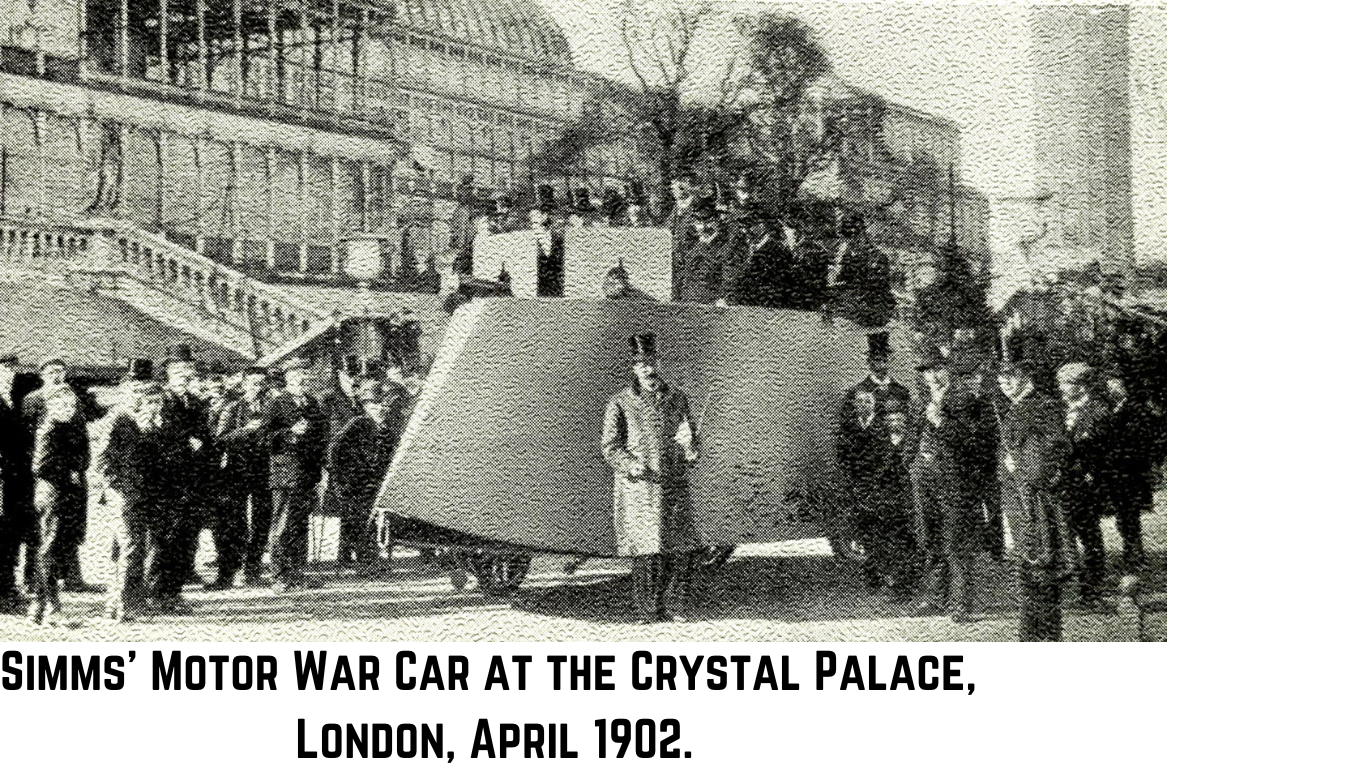
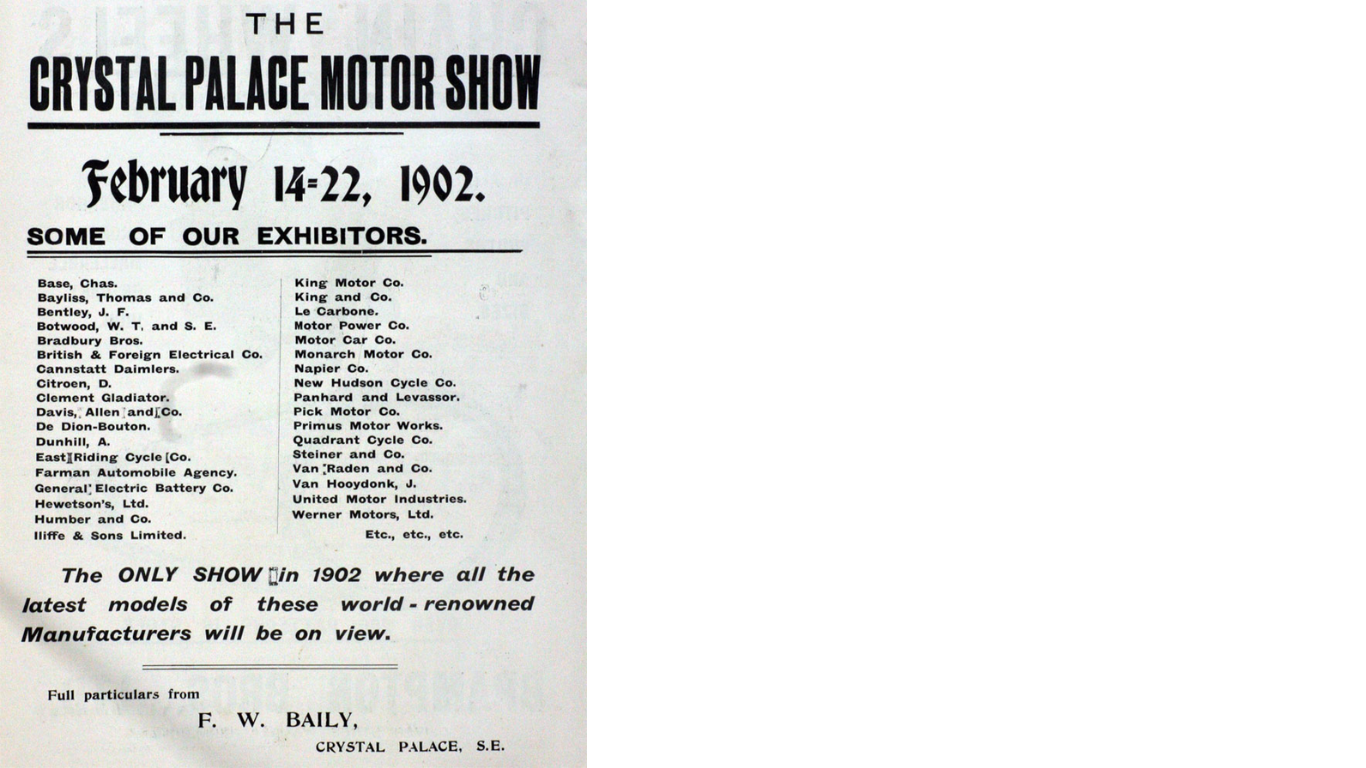
The Motor War Car was displayed publicly at the Crystal Palace Motor Show exhibition in London, in April 1902. There was much excitement about the world’s first armoured car. The Motor War Car received massive coverage by the foreign press.
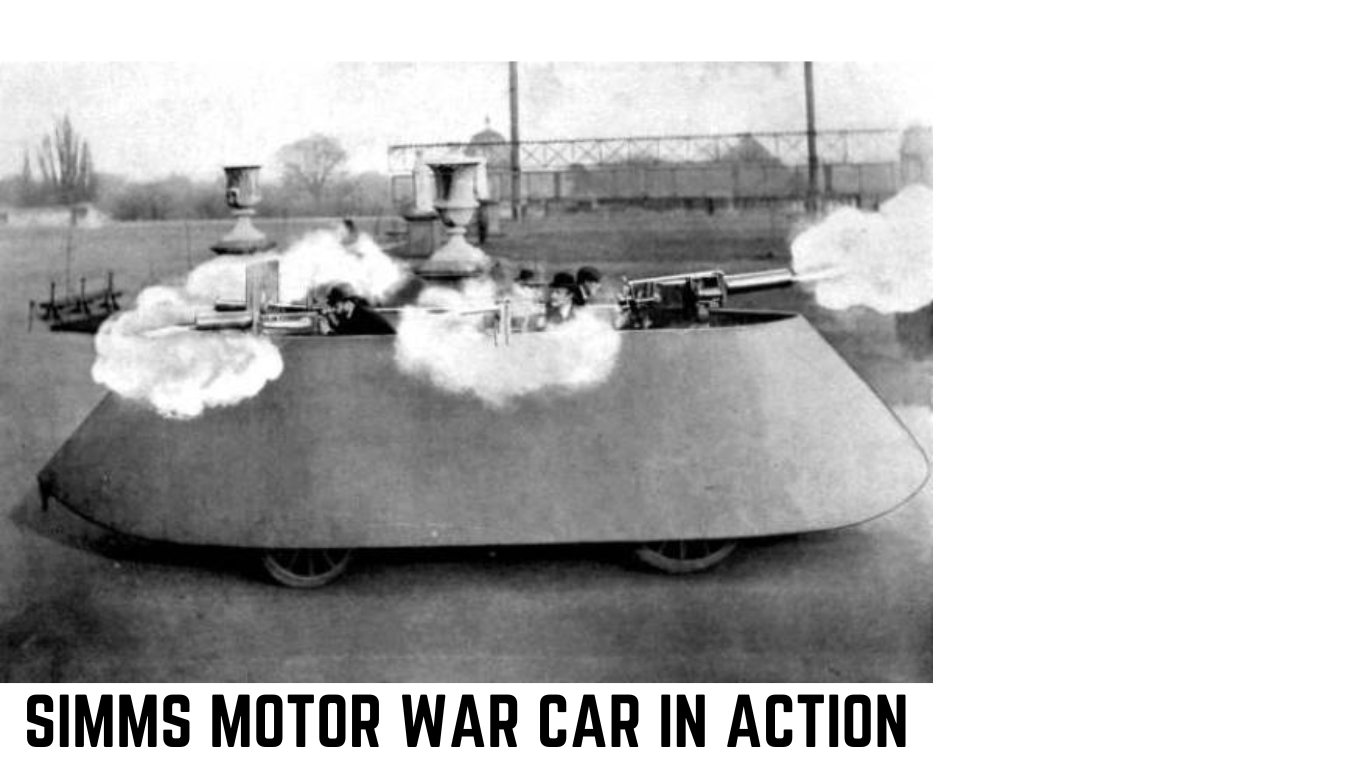
Army and Navy Magazine covered the vehicle in April 1902 and suggested the vehicle it best suited to be used as a draisine. If fitted with flanged railway wheels, it could be used for patrolling by the railways.
A draisine is a light rail vehicle which is driven by service personnel to transport crew and material necessary for the maintenance of railway infrastructure.
End of Boer War
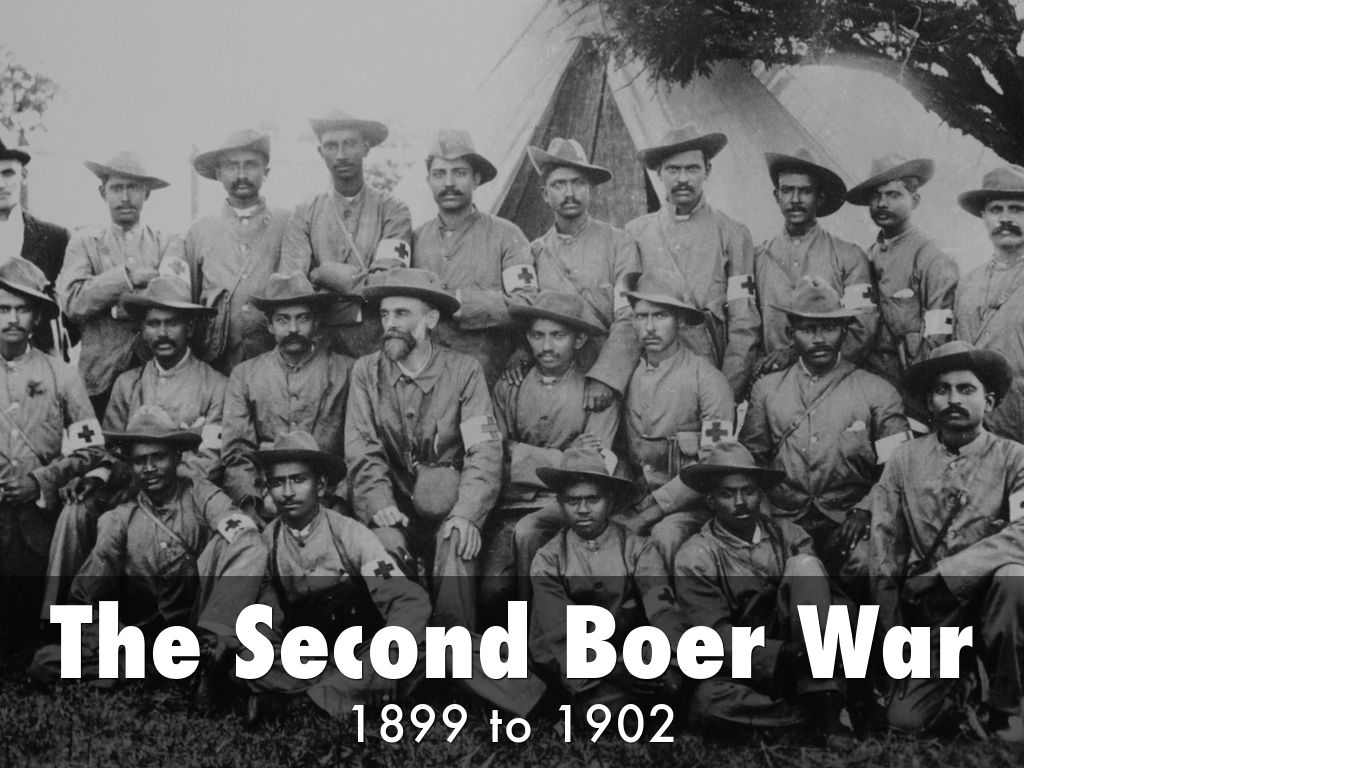
The car was ready to be assessed by the military in 1902, but by that time the South African conflict was almost over. The Boer war ended on 31st May, 1902.
The Fate of Simms Motor War Car
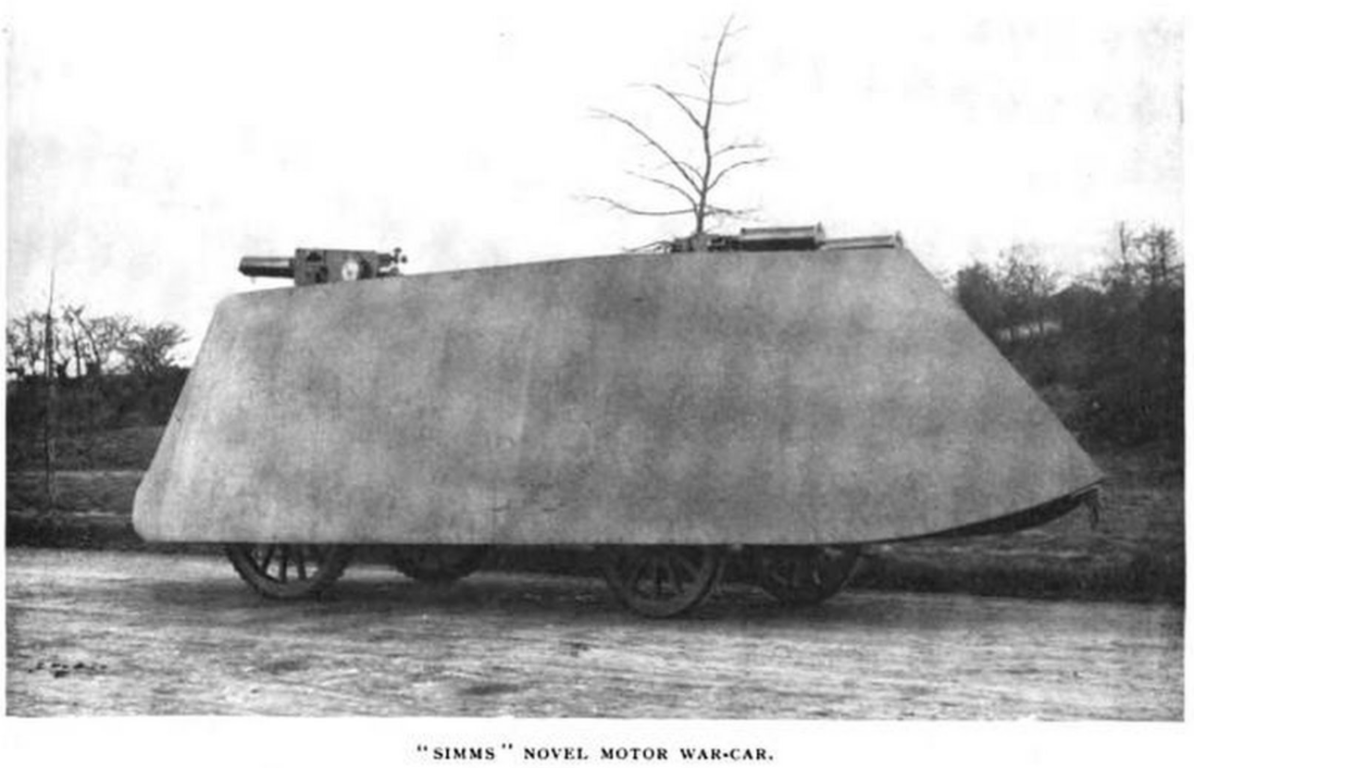
The prototype of the War Car took longer than expected to be made and the release date was pushed significantly. When the prototype was available to be accessed by the military, the Boer War was already over.
Despite an invitation to view and examine the War Car, officials from the War Office never bothered to check out the Motor War Car. There was no urgency in the environment for an armoured car, as the war was already over.
Moreover, military technology was continuously getting advanced and the timing of the Motor war Car was poor. Subsequently, the interest of the authorities in the Motor war car had faded out.
Alas, the War Car got only as far as its prototype! No Motor War Car orders were placed by the authorities and no units were sold. The Motor War Car, it is presumed, was scrapped.
The Simms Motor War Car did not accomplish any of its original goals as far as military action is concerned, but it did show to the world that automobiles had a place in warfare. They could be used as a weapon in the battlefield and could also provide protection to the soldiers during a military operation.
Simms' idea of armored vehicles with machine-guns was way ahead of his time. The War office did not show any interest in Simms’ Armoured Car and this was Simms’ last attempt to gain orders for such a machine.
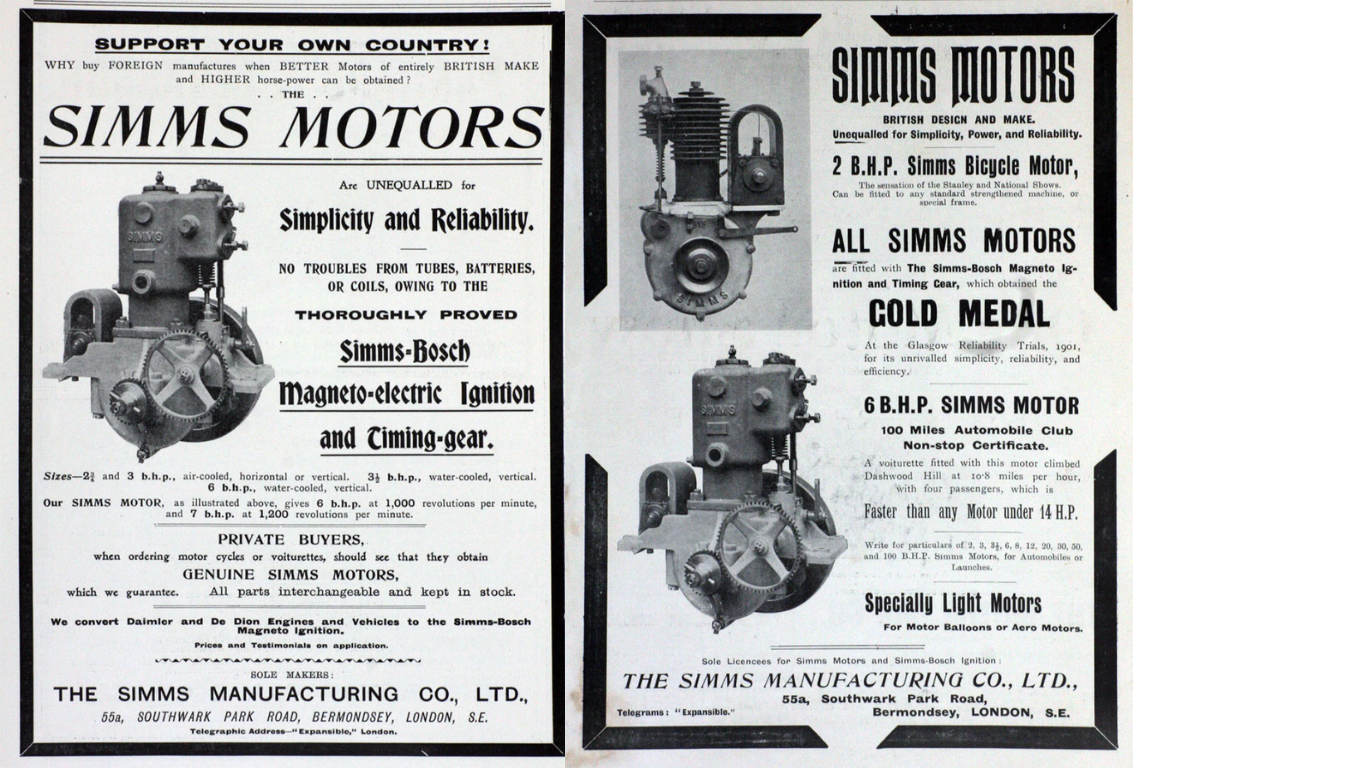
Though the military vehicles designed by Simms did not achieve great results, he was a successful vehicle maker. Simms acquired some of the foreign patent rights to the petrol engine and set up Simms Manufacturing Company Ltd. His manufacturing company made Simms-Welbeck cars, lorries, agricultural vehicles, military vehicles and guns, and aeronautical devices.
Through this article, we have shared the story of Simms’ Motor War Car, the World’s First Armoured Automobile. Our article series on ‘Evolution of Military Vehicles’, is our endeavour to bring out unique stories from the automobile world for our passionate readers. Keep checking our website www.carbike360.com for our latest posts. In case of any query, feel free to contact us.


You May Like


Find your perfect car

Budget

Brand

Body Type

Fuel

Mileage

More
Latest Videos


This Week in Auto | New Car & Bike Launches, EV Updates & Industry News

Top Auto News of the Week: Tata Sierra EV, BMW X6, E85 Fuel & More - Weekly Wrap

Top Auto News of the Week | Hyundai i20 Leak, Honda ZR-V, Tata Sierra EV, Skoda EV & More!

Talking about new Honda City and upcoming ZR-V SUV with Honda India’s Kunal Bahl!
Other News
Listen to Audios