ELECTRIC
India’s Electric Passenger Vehicle Sales Cross 1 Lakh in FY2025, Hit Record High in March
 Add CarBike360 on Google
India’s electric passenger vehicle segment clocked its best-ever performance in FY2025, surpassing 1 lakh units in annual sales and hitting a new monthly record in March.

By prayag
Apr 12, 2025 12:01 pm IST
India’s electric passenger vehicle (e-PV) segment closed FY2025 on a high, clocking record-breaking monthly retail sales of 12,347 units in March 2025. This milestone not only capped off the best-ever month for the segment but also propelled annual FY2025 sales past the 100,000-unit mark for the first time, closing at 107,541 units, an 18% year-on-year growth over FY2024.
With green-number-plated hatchbacks, sedans, and SUVs becoming increasingly visible on Indian roads, the country’s shift towards e-mobility has clearly gained traction. Lower running costs, expanding model availability, and improving charging infrastructure, albeit still a work in progress, have all contributed to this positive trend.
FY2025: A Tale of Two Halves
Retail data sourced from VAHAN underscores the uneven growth throughout FY2025. The first half (April to September 2024) saw sluggish momentum, with just 44,114 units sold, a modest 3% YoY rise. This changed dramatically in the second half (October 2024 to March 2025), which delivered 63,427 units, a robust 31% increase YoY. Two standout months, October 2024 (11,431 units) and March 2025 (12,347 units), accounted for more than 21% of the full-year total.
Tata Motors
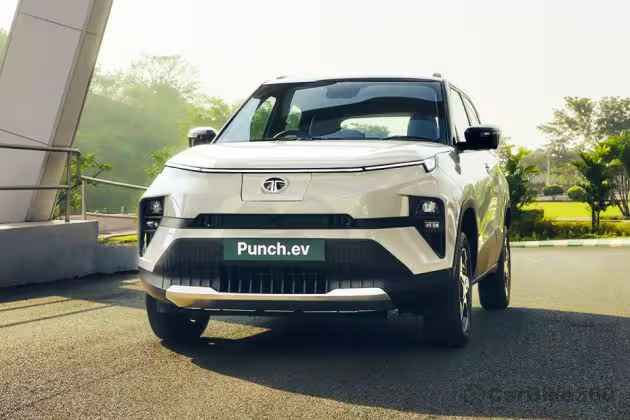
Longstanding market leader Tata Motors ended FY2025 with 57,581 units, a drop of 11% YoY from FY2024’s 64,441 units. This saw its market share plummet from 70% to 53%, marking its lowest-ever share in the Indian EV space. The Punch EV and Curvv EV, both built on the new Acti.EV Gen 2 platform, were the only notable launches during the year, but they weren’t enough to counter the impact of increased competition.
While Tata still has the most extensive e-PV portfolio, including the Nexon EV, Tigor EV, Tiago EV, Xpres-T, Punch EV, and Curvv EV, the product deluge from rivals has diluted its dominance.
JSW MG Motor India
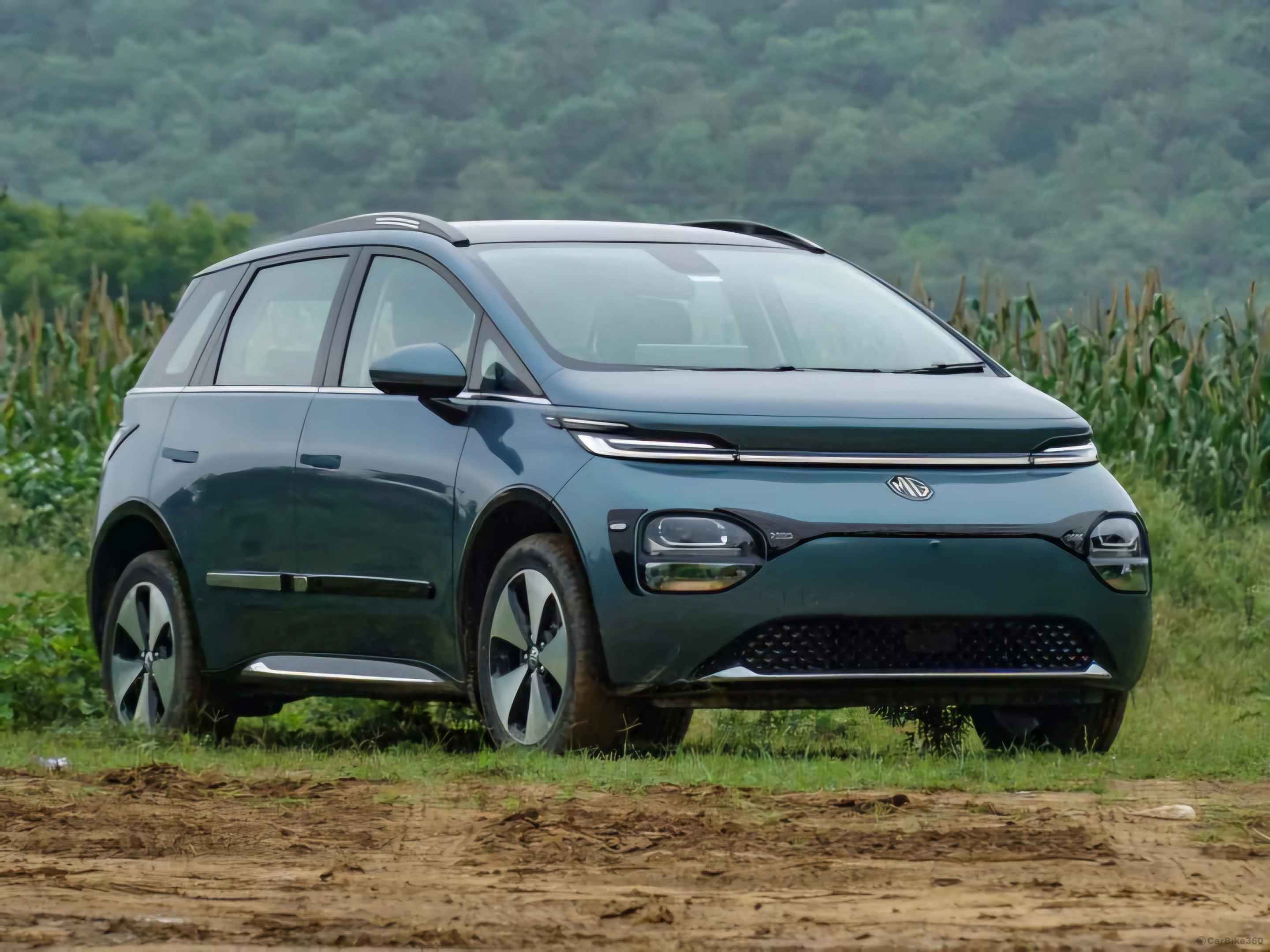
JSW MG Motor was FY2025’s standout success story. The launch of the Windsor EV, India’s first “CUV” (crossover utility vehicle), catalysed a stunning 158% YoY growth, with the company retailing 30,153 EVs, a jump of 18,472 units over FY2024.
Its market share more than doubled to 28% (FY2024: 13%), and 72% of its annual sales came in the second half, driven by Windsor’s post-September 2024 momentum. The Windsor’s appeal lies in its Rs 13.49 lakh price tag, intelligent packaging, and Battery-as-a-Service (BaaS) subscription model that lowers upfront costs.
Mahindra & Mahindra
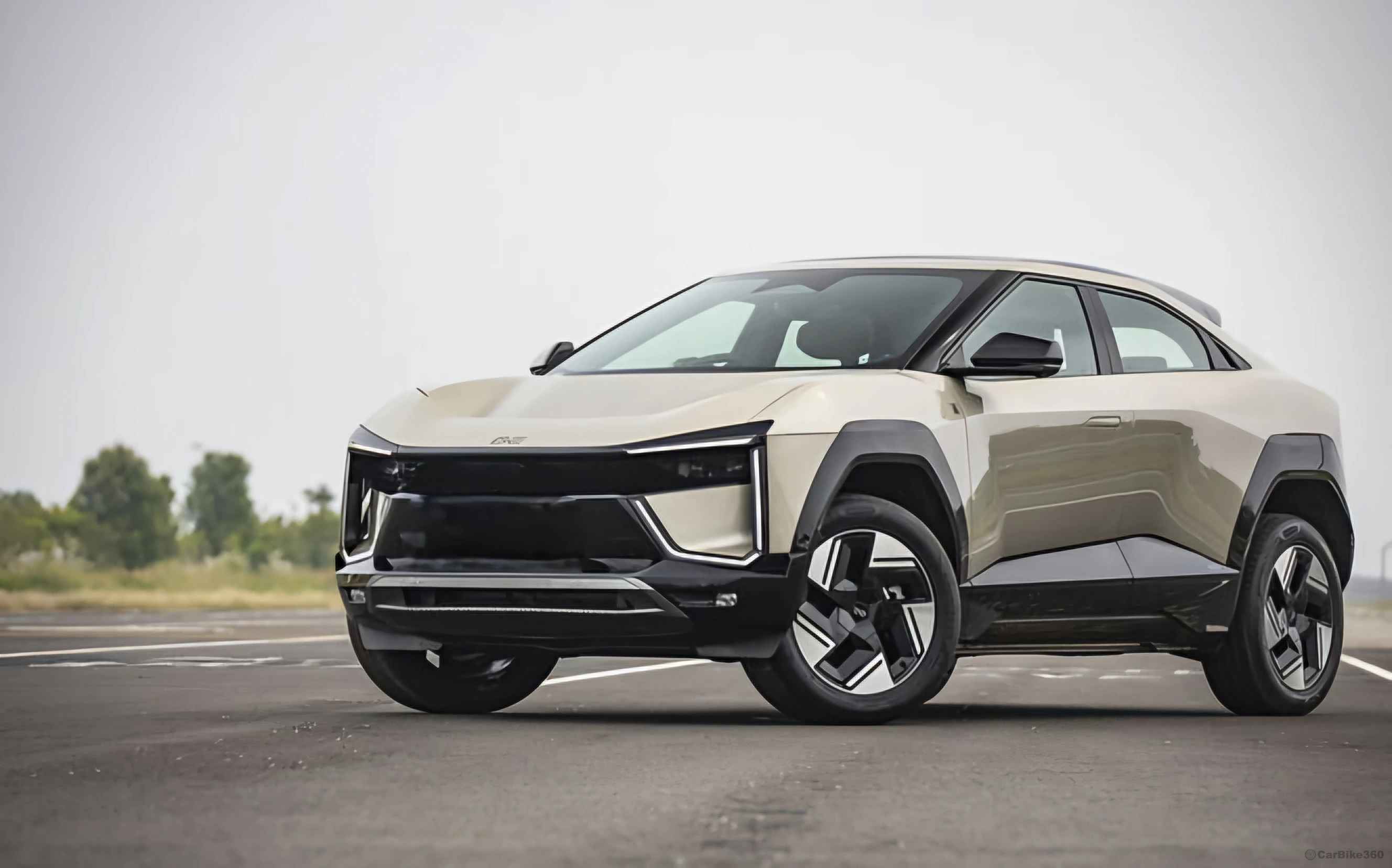
Mahindra recorded 8,180 EV sales, up 34% YoY. March 2025 alone saw 1,944 units, its best month, fuelled by new launches like the BE 6 and XEV 9e, based on the INGLO platform. The carmaker’s market share rose slightly to 7.6%, with the XUV400 still contributing the bulk of volumes.
BYD India
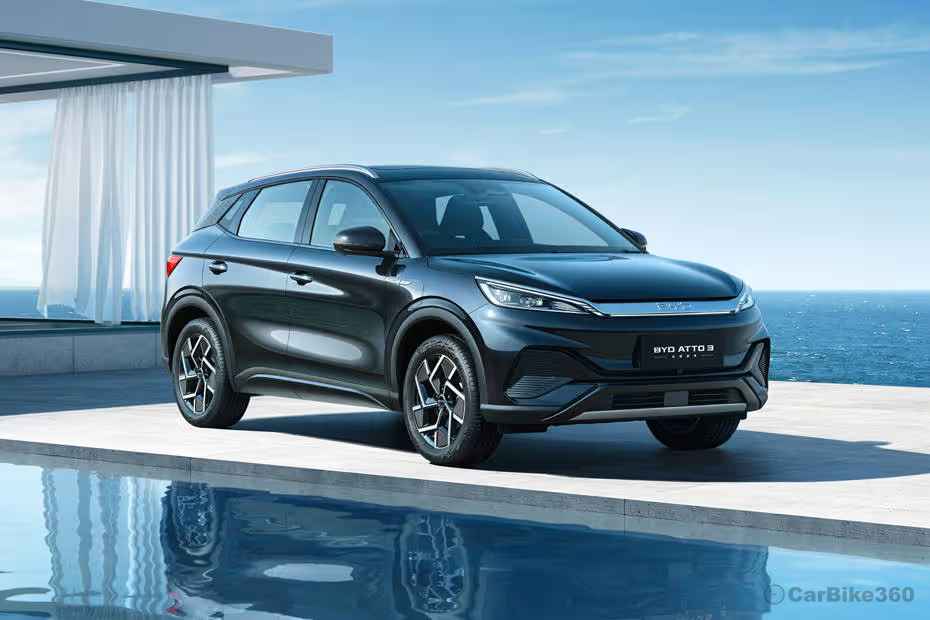
BYD secured its No. 4 position with 3,401 units sold, a solid 40% YoY growth. The Chinese OEM had its best-ever month in October 2024 (398 units). FY2025 saw refreshed models of the Atto 3 and Seal and the addition of the Sealion 7 SUV.
Hyundai Motors
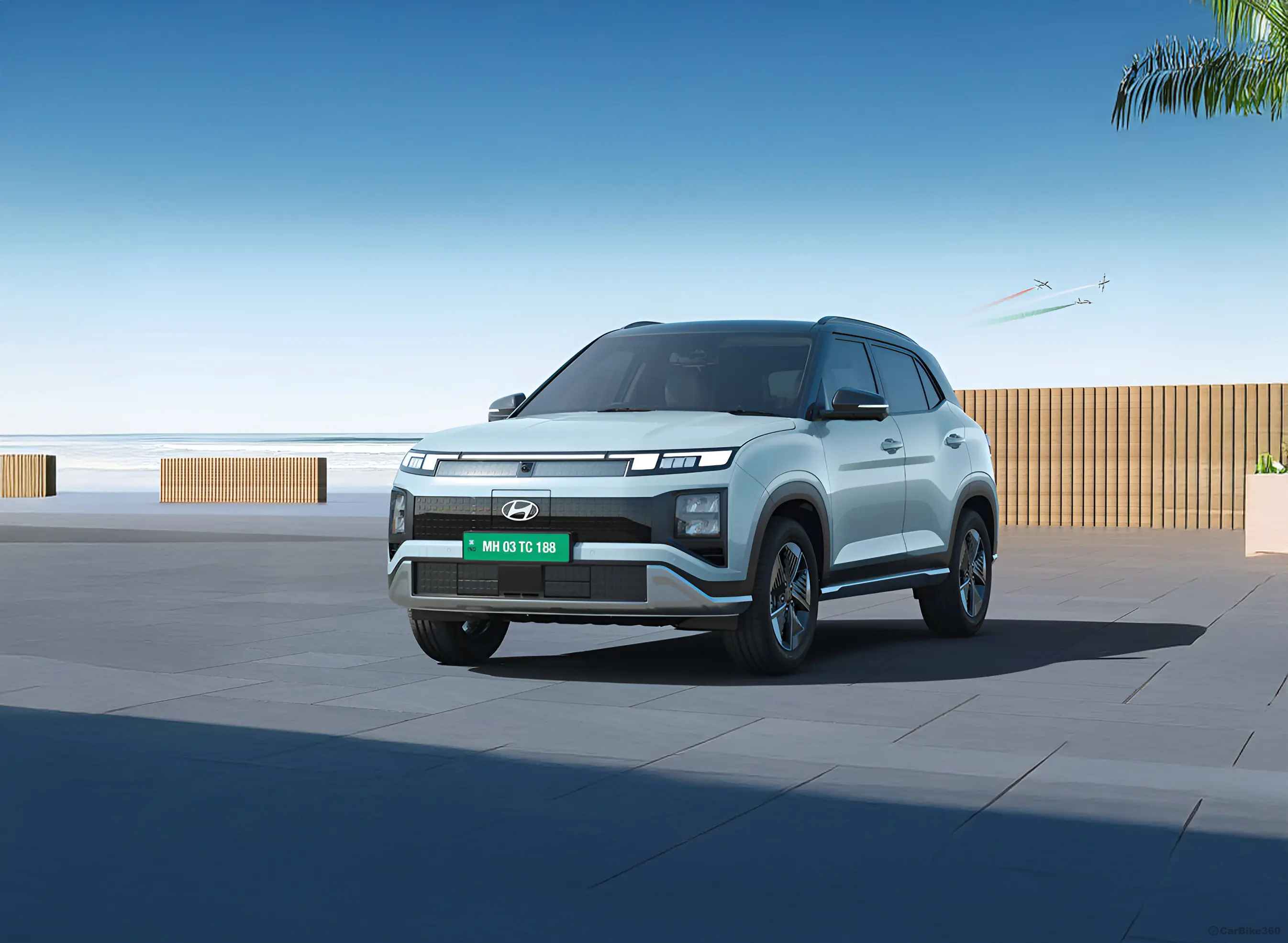
Struggling for most of the year with limited EV offerings, Hyundai bounced back in Q4 FY2025 with the launch of the Creta Electric. While its full-year figures remained subdued, the electric avatar of India’s top-selling midsize SUV could change the game for Hyundai in FY2026.
Citroën (PCA Motors)
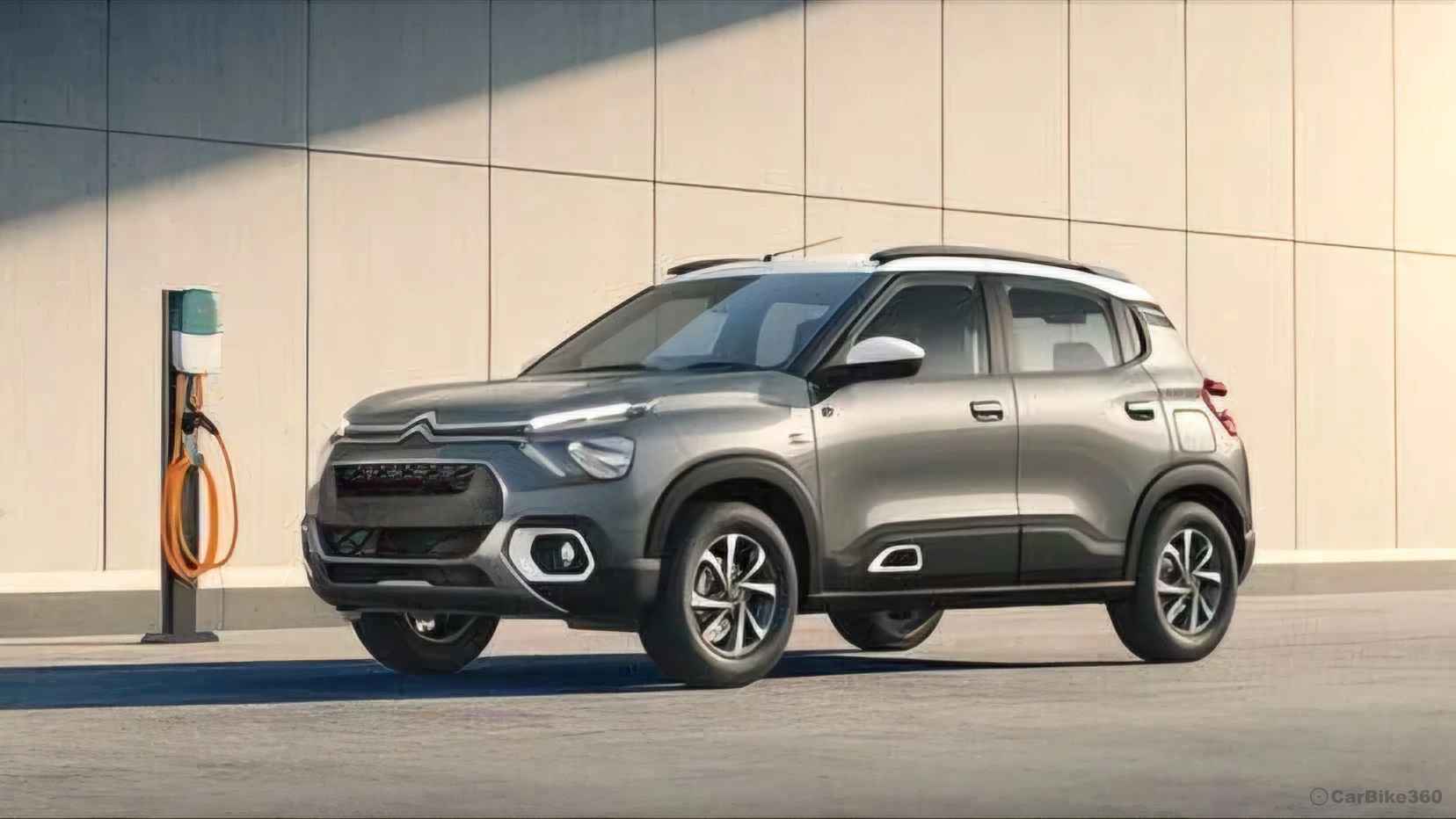
FY2025 proved lacklustre for PCA Motors, which sold 1,962 units, a 3% decline YoY. Despite early highs, 389 units in September 2024, sales dwindled significantly, with just 46 units in March 2025. The eC3 hatchback continues to find buyers in the fleet segment but has yet to gain strong retail traction.
Kia Motors
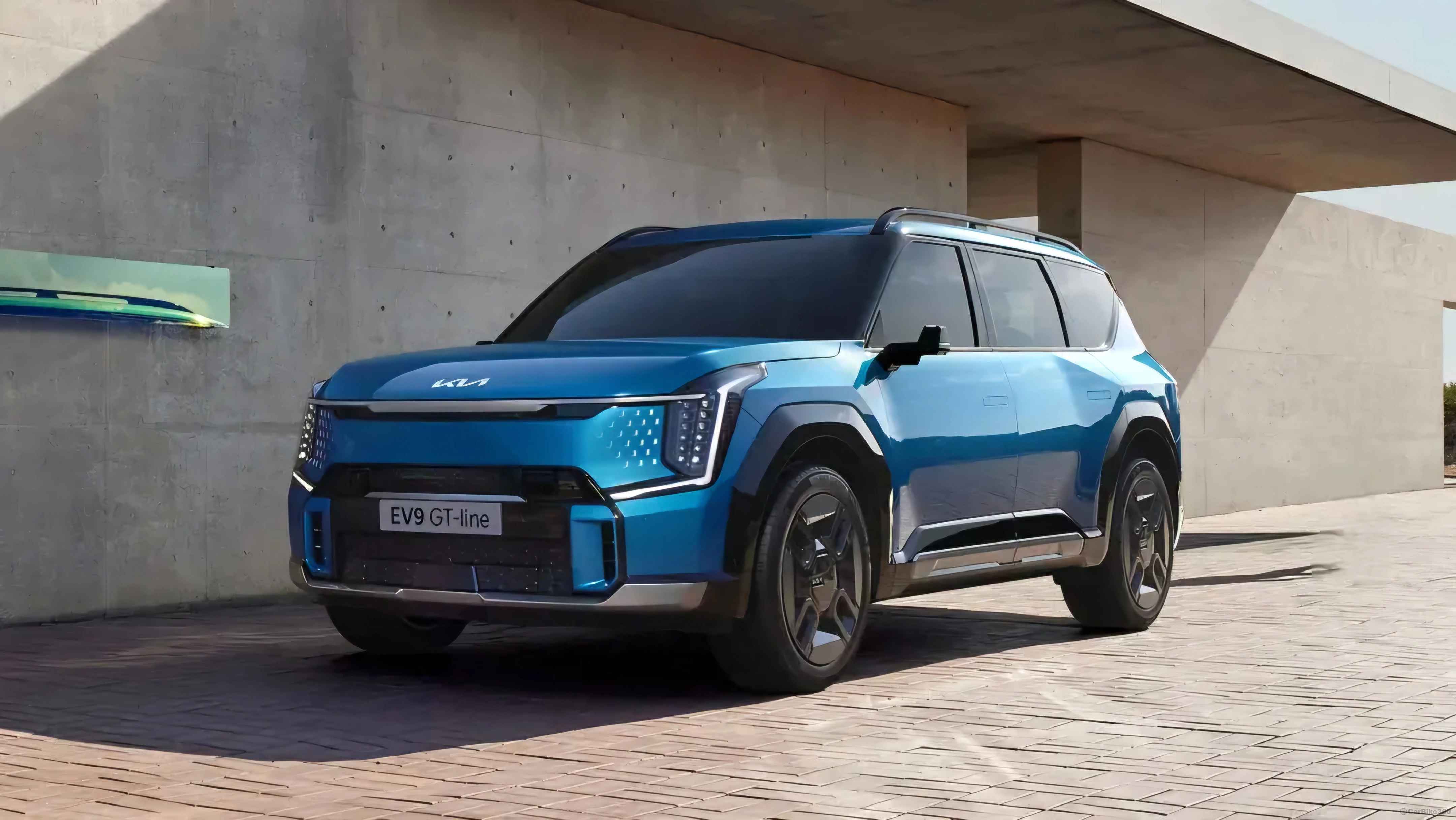
Kia India retailed just 414 units, 18 fewer than in FY2024. The premium EV9 SUV, launched in October 2024, is positioned well above the volume segment, commanding a price of Rs 1.3 crore. As a CBU import, its impact on mass-market EV adoption remains negligible.
The Luxury EV Segment
India’s luxury EV market grew 14% YoY to 3,291 units, maintaining a steady 3% share of the total e-PV market.
BMW India retained its lead with 1,550 units (+9% YoY), translating to a 47% market share.
Mercedes-Benz India emerged as the growth champion with 101% YoY growth, selling 1,133 units and capturing 34% market share, up from 20%.
Volvo (394 units, -35% YoY) and Audi (130 units, -21%) saw declines.
Porsche sold 56 units, down 51% YoY.
Rolls-Royce made a statement with 24 units of the Spectre, delivering on its promise of electric ultra-luxury.
An Outlook & Conclusion
India has sold close to 250,000 electric passenger vehicles between 2015 and 2024, and FY2025 alone added more than 107,000 units to that tally. With surging consumer acceptance, increased competition, a broader product mix and budding charging infrastructure, the e-PV revolution is well underway.
However, to sustain this momentum, infrastructure expansion, battery localisation, and affordable financing models will be key. As OEMs gear up with new launches and fresh EV strategies, FY2026 is poised to be an even more transformative year for India’s electric mobility ecosystem.
Also Read: JLR India Achieves Record Sales in FY25 with 40% Growth


You May Like




Find your perfect car

Budget

Brand

Body Type

Fuel

Mileage

More
Latest Car Videos




Other Car News

Listen to Car Audios